
From 4 to 8 May 2026, three teachers from the CHAIN Consortium participated in an Erasmus+ job shadowing mobility in Tampere, Finland. The main focus of the mobility was the integration of Artificial Intelligence in education, as well as the broader use of new technologies, creativity, STEAM and innovative learning environments in Finnish schools.
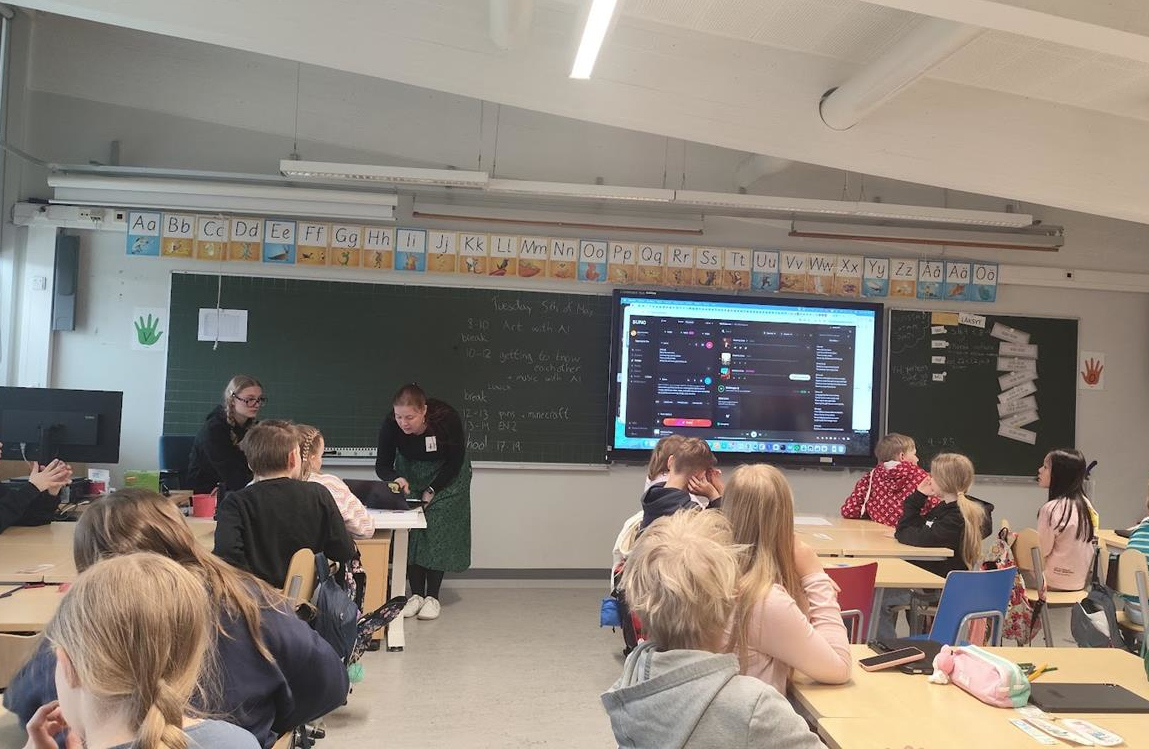
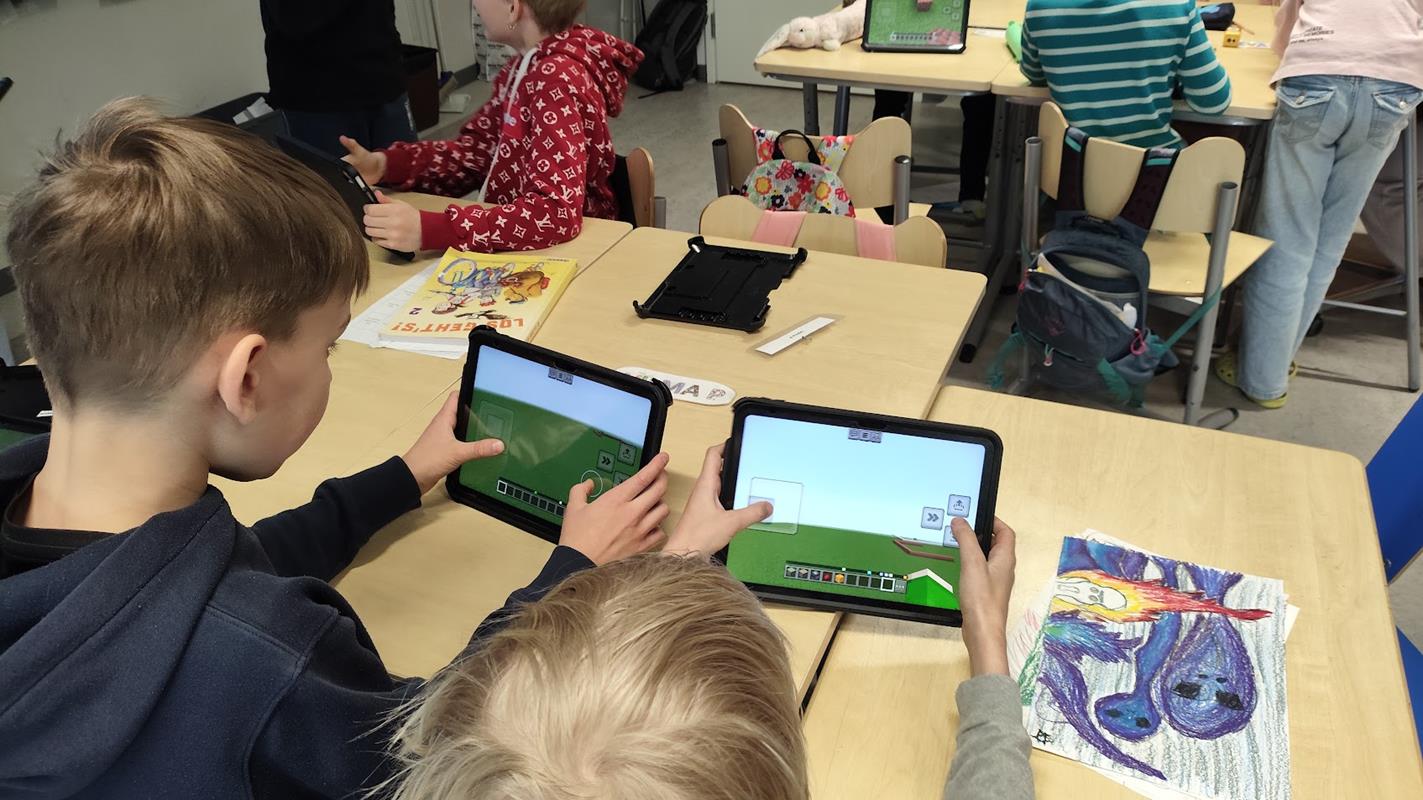
During the week, the participating teachers had the opportunity to observe how Finnish educators introduce Artificial Intelligence to pupils from an early age and how AI can be used as a learning tool in different subjects and age groups. Particular attention was given to the way young children approach AI concepts through simple, meaningful and age-appropriate activities.
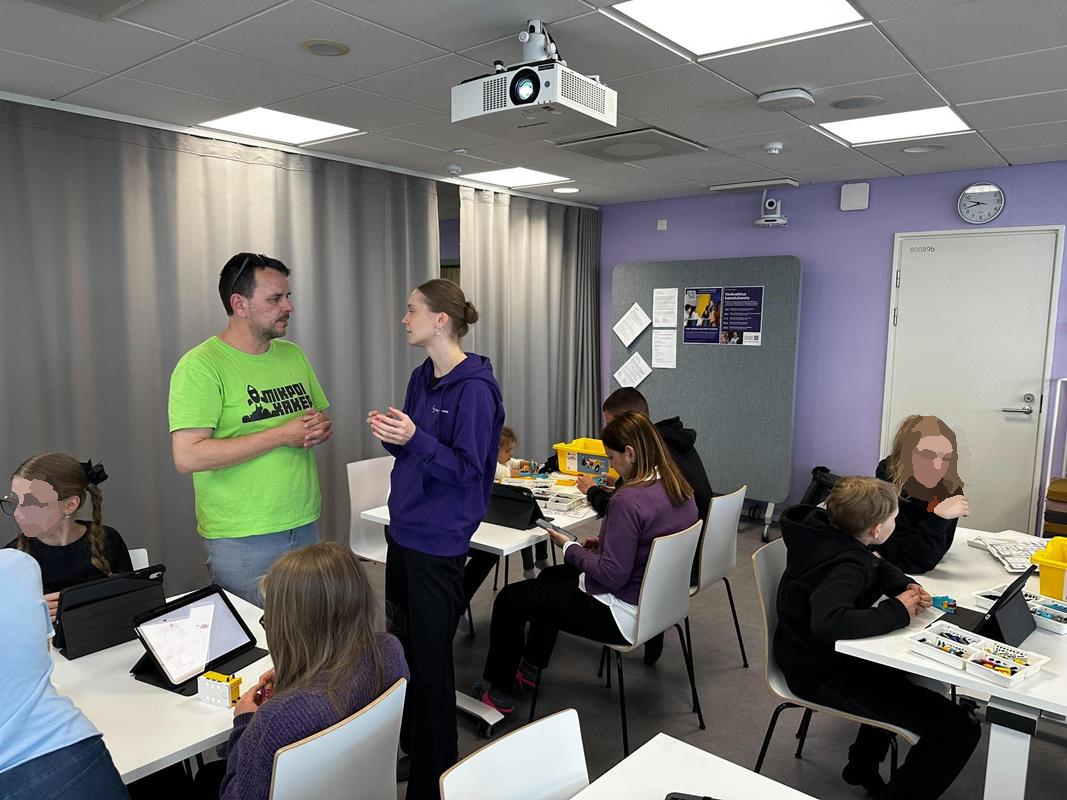
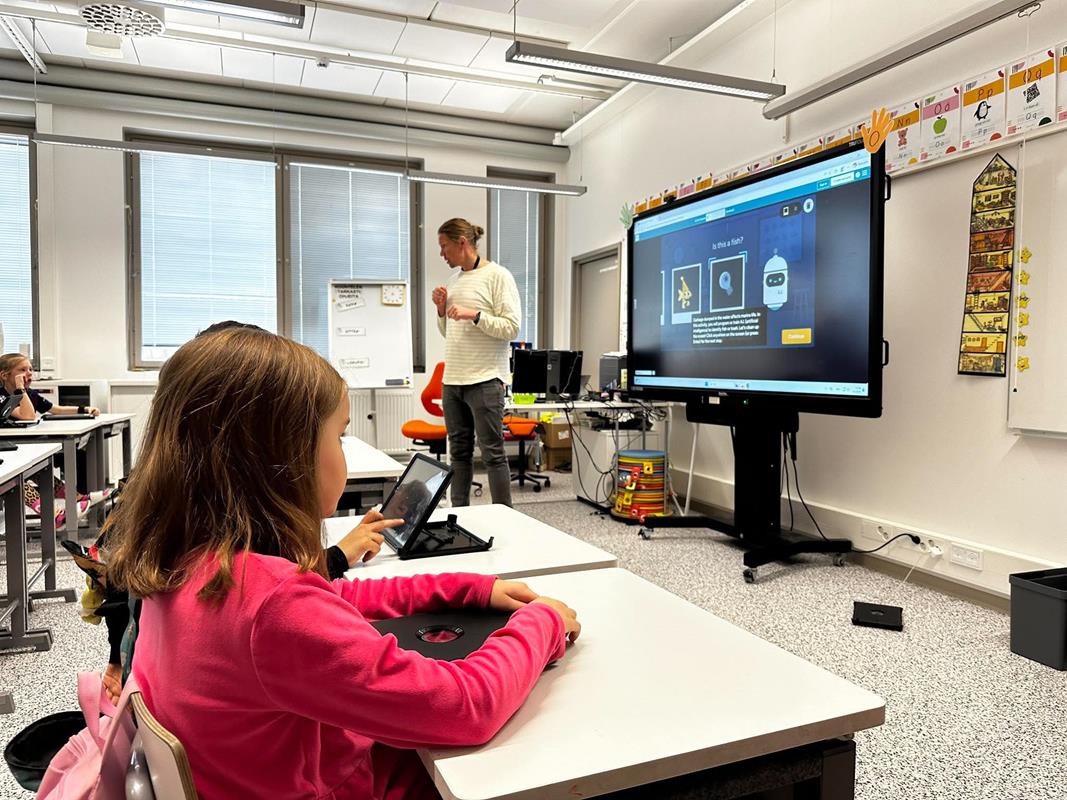
The programme began with a warm welcome at the host school, followed by lesson observations, a school tour and meetings with the school leadership. The teachers attended activities related to AI in Grade 1 and observed how pupils were encouraged to explore new technologies through curiosity, discussion and active participation.
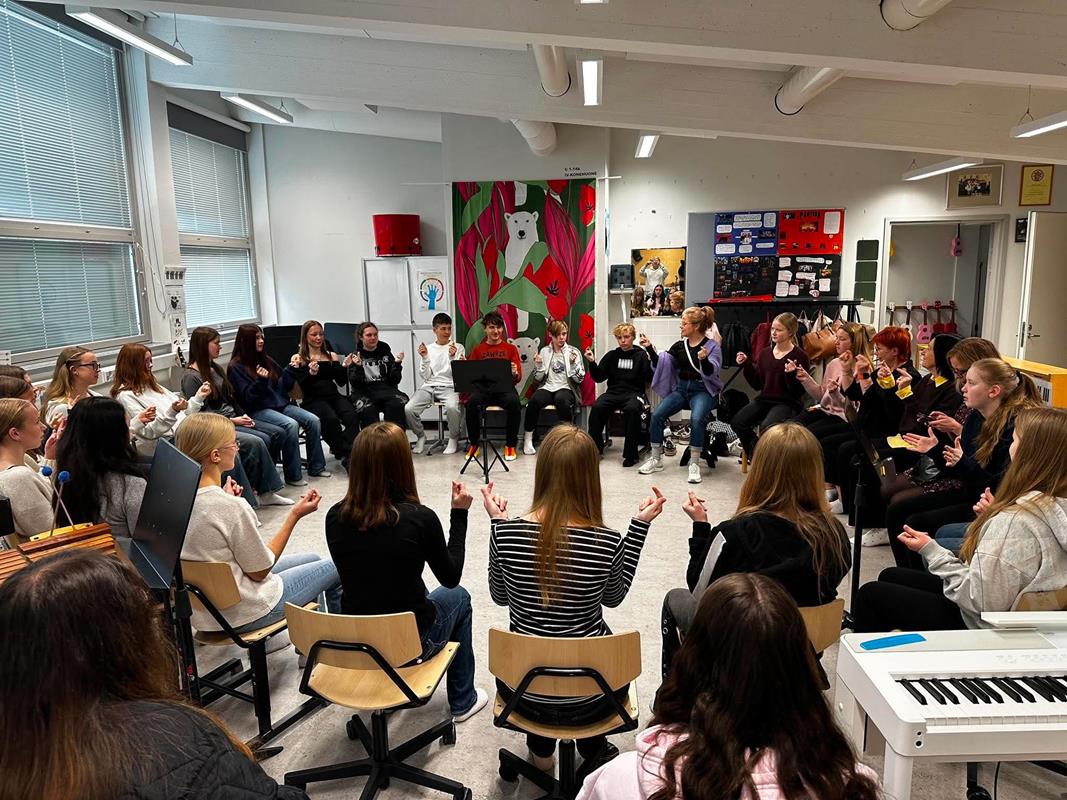
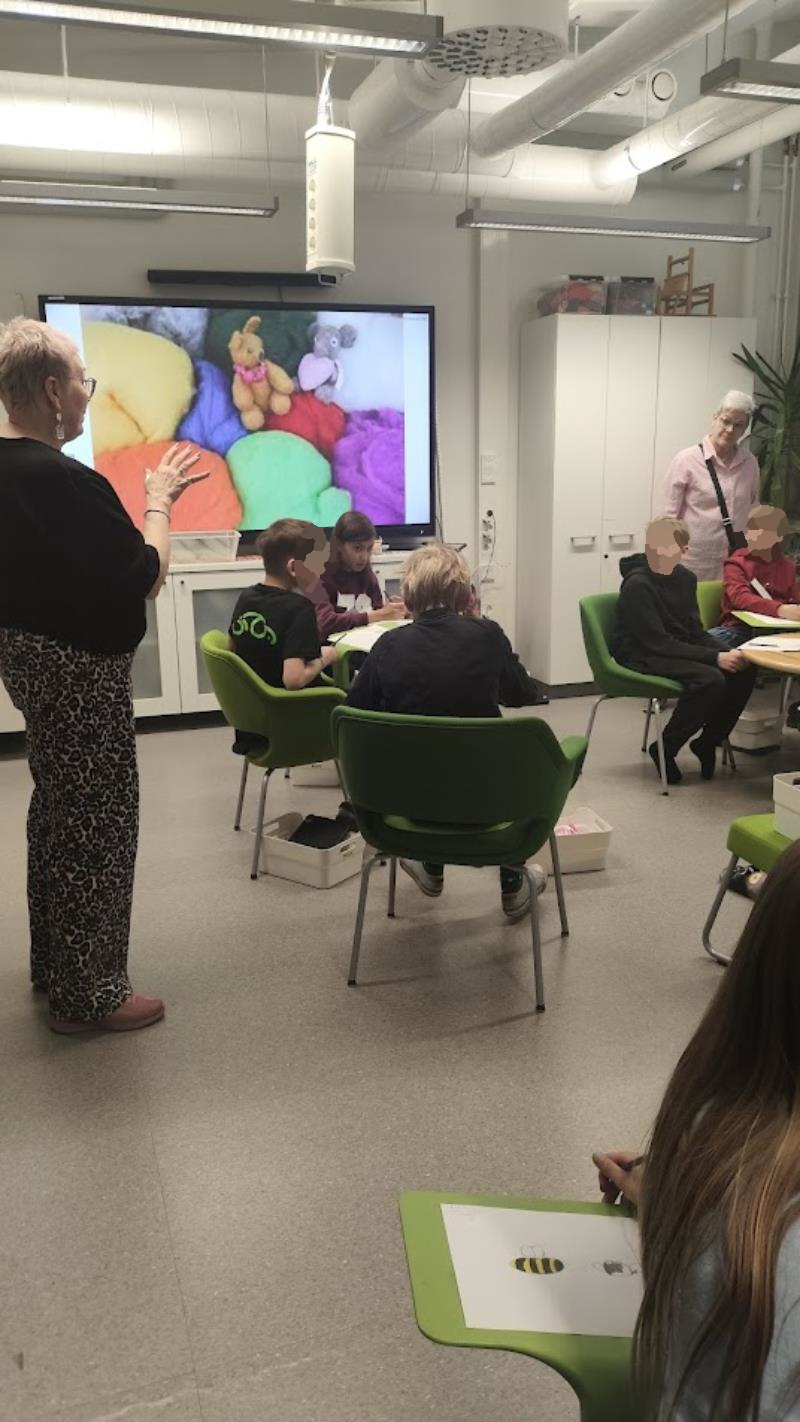
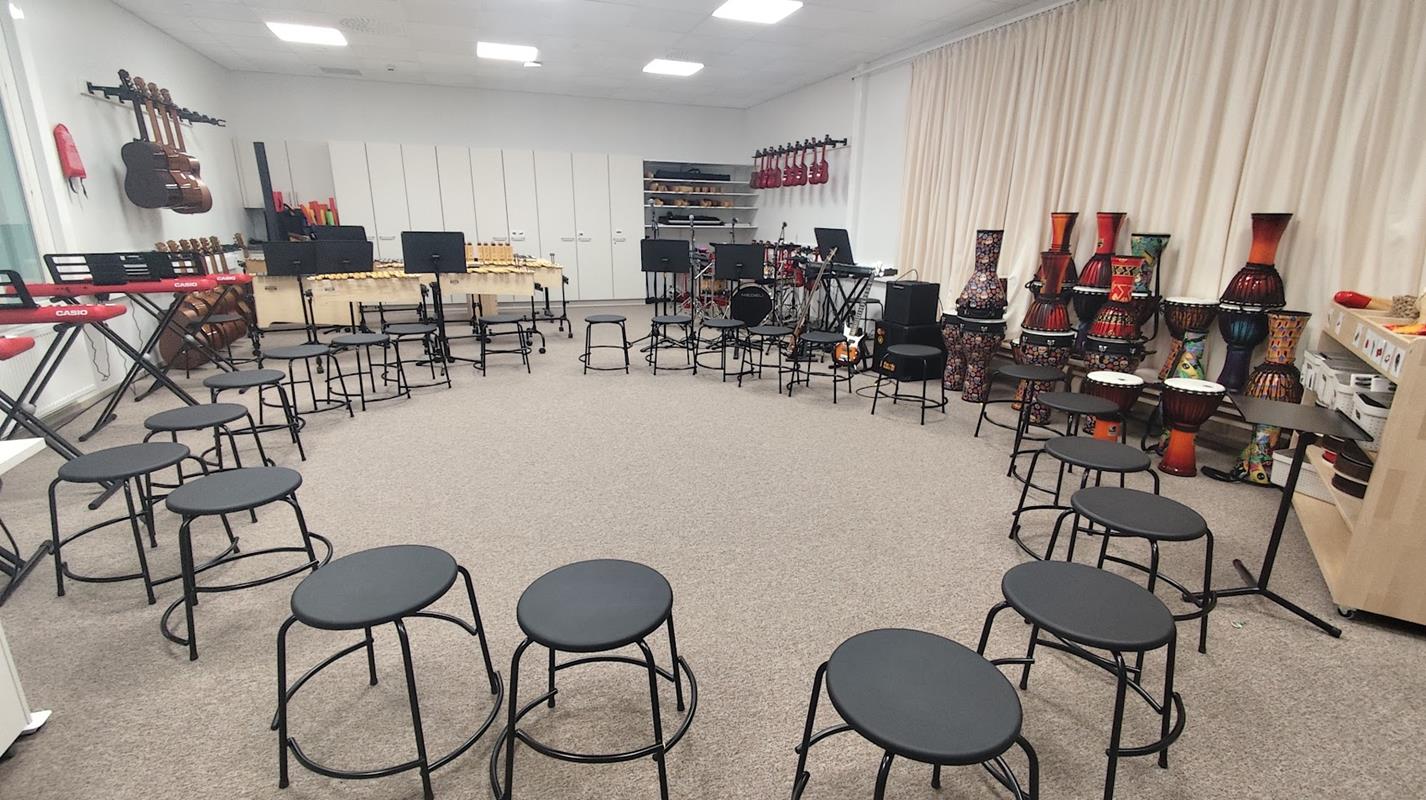
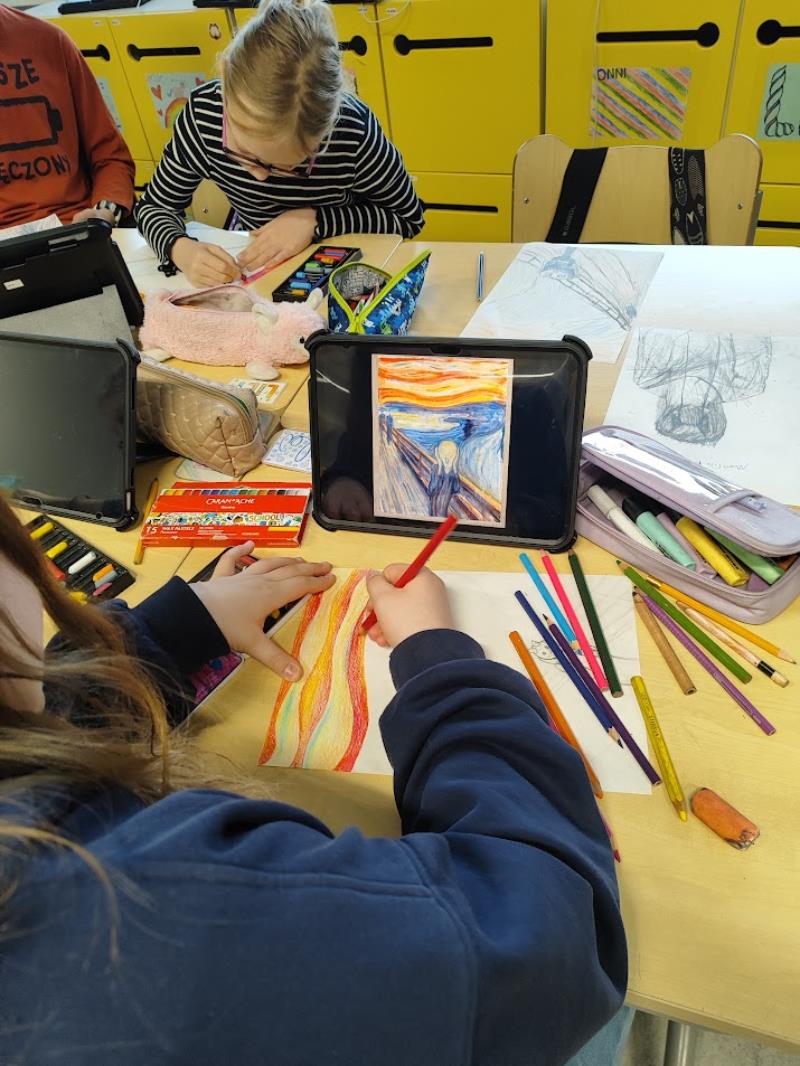
A very interesting part of the mobility focused on the use of AI in creative subjects, such as art and music. The participants observed how Artificial Intelligence can support pupils’ imagination, self-expression and creative experimentation, while also raising important questions about the pedagogical and responsible use of new technologies in the classroom.
Throughout the mobility, the teachers discussed with Finnish colleagues how AI and digital technologies are being integrated into school life. These discussions were especially valuable, as they allowed participants to compare different European approaches to technology in education and to reflect on how AI can be used in a balanced, meaningful and age-appropriate way.
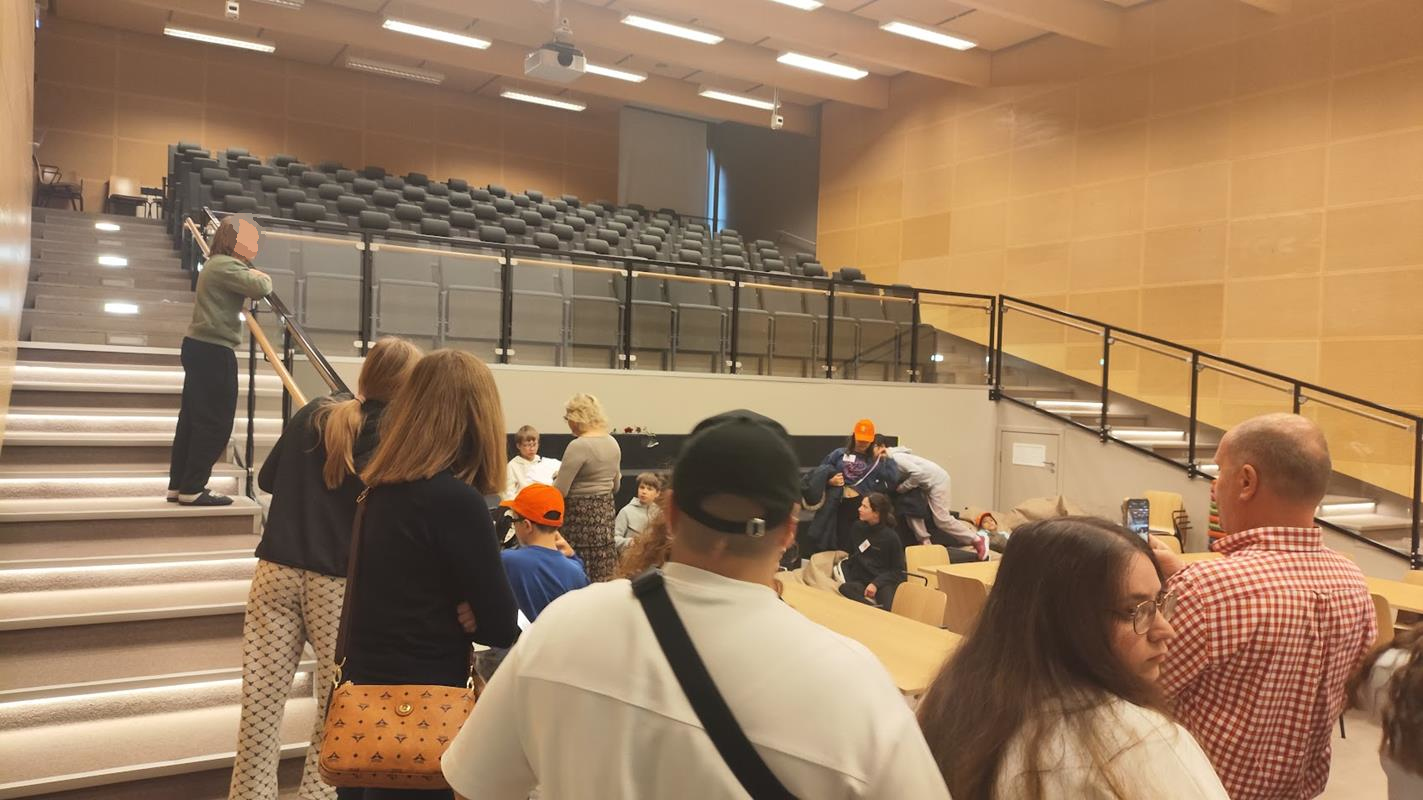
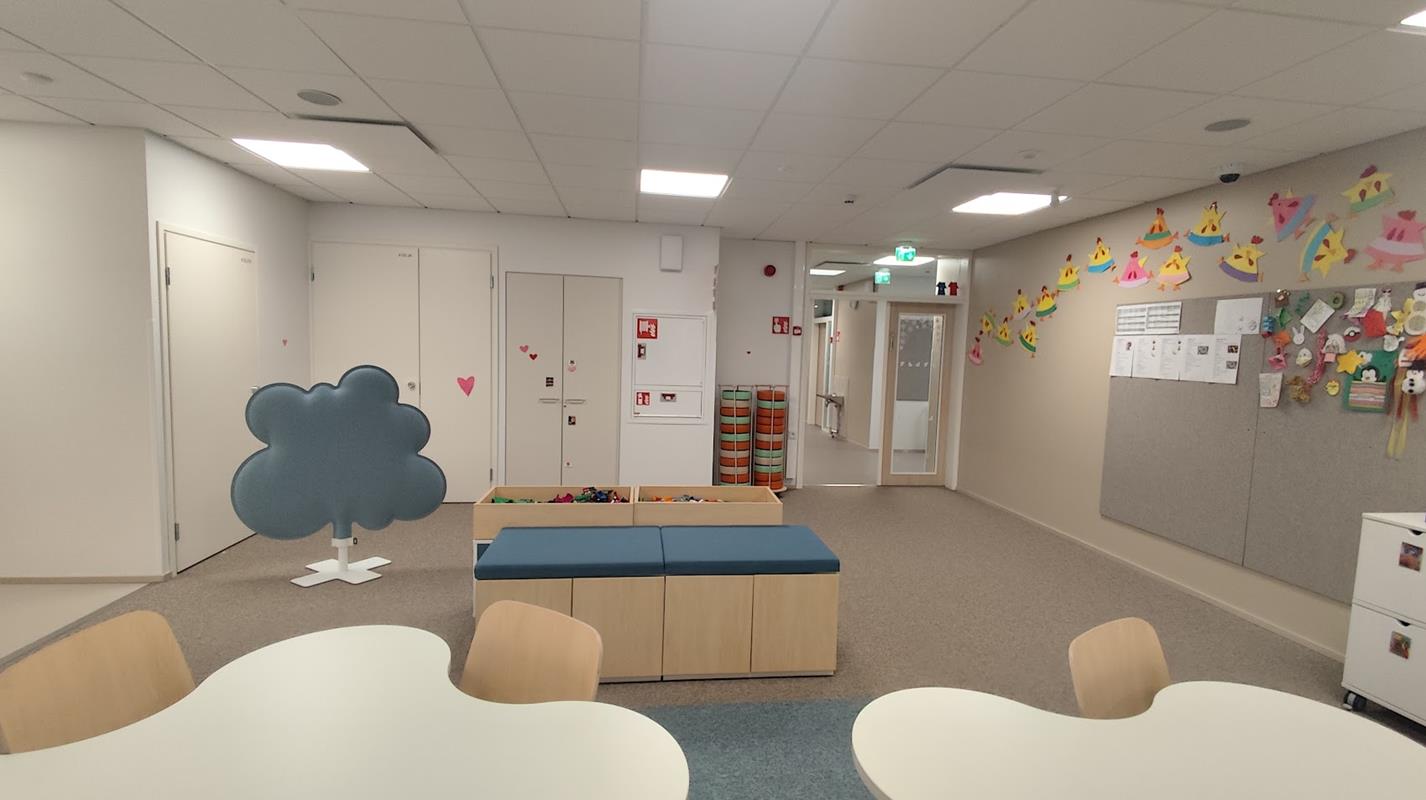
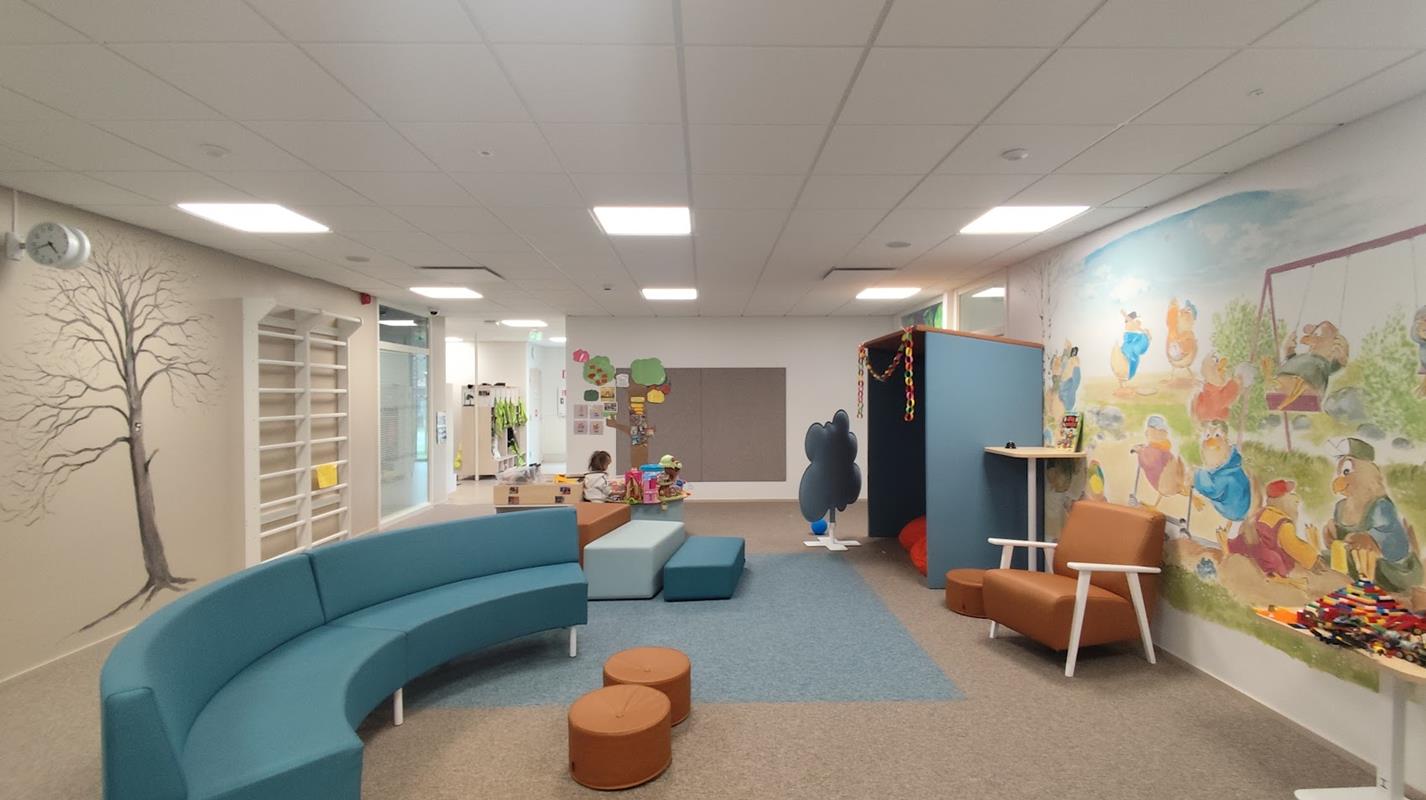
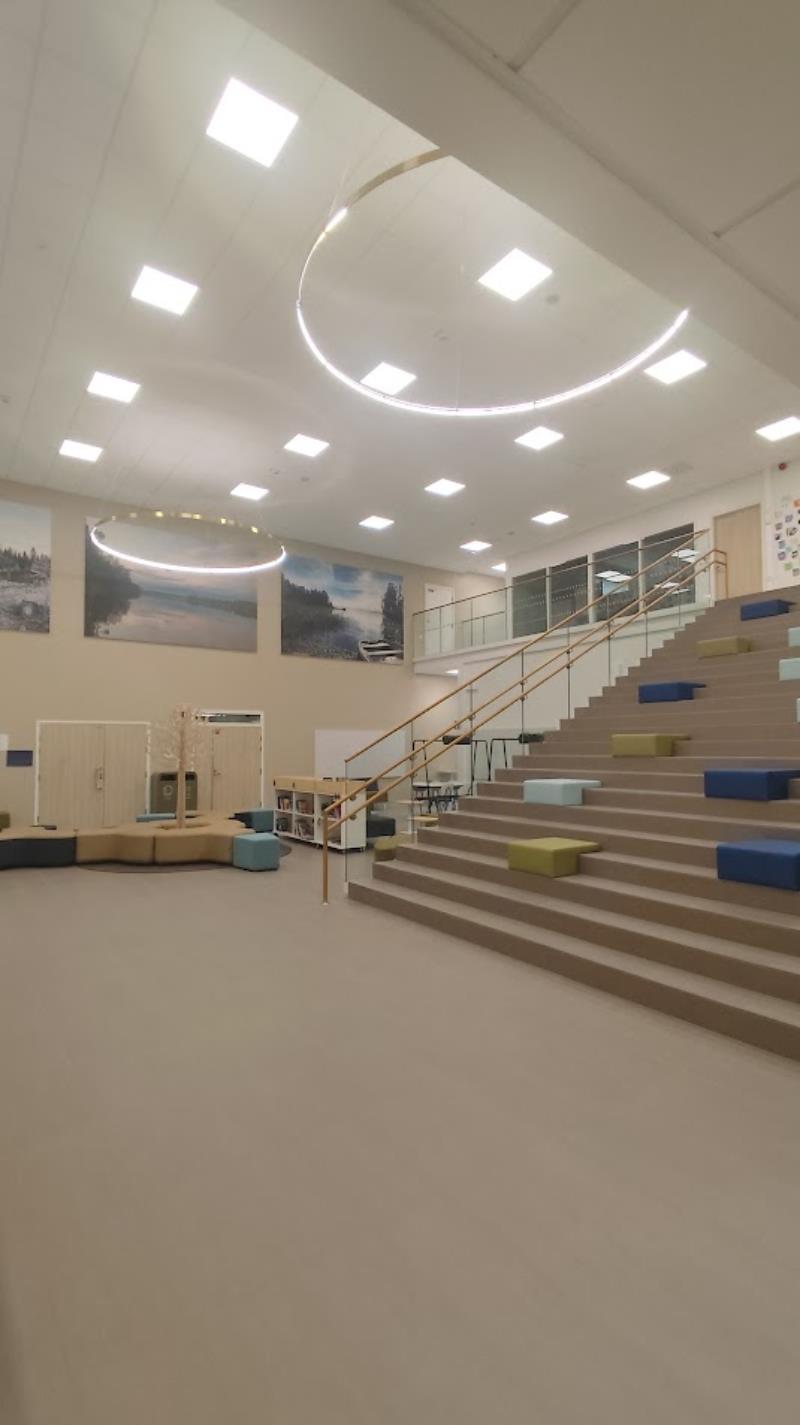
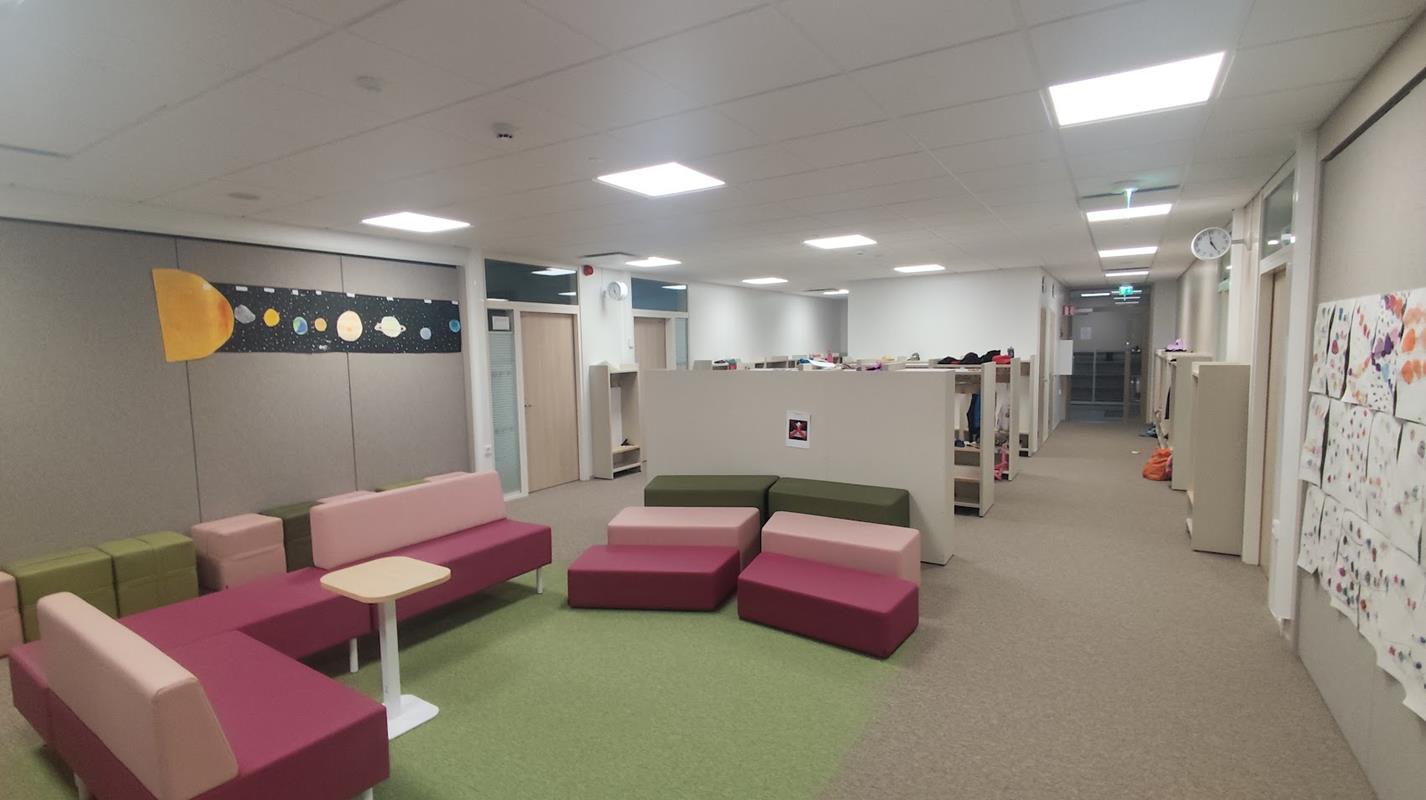
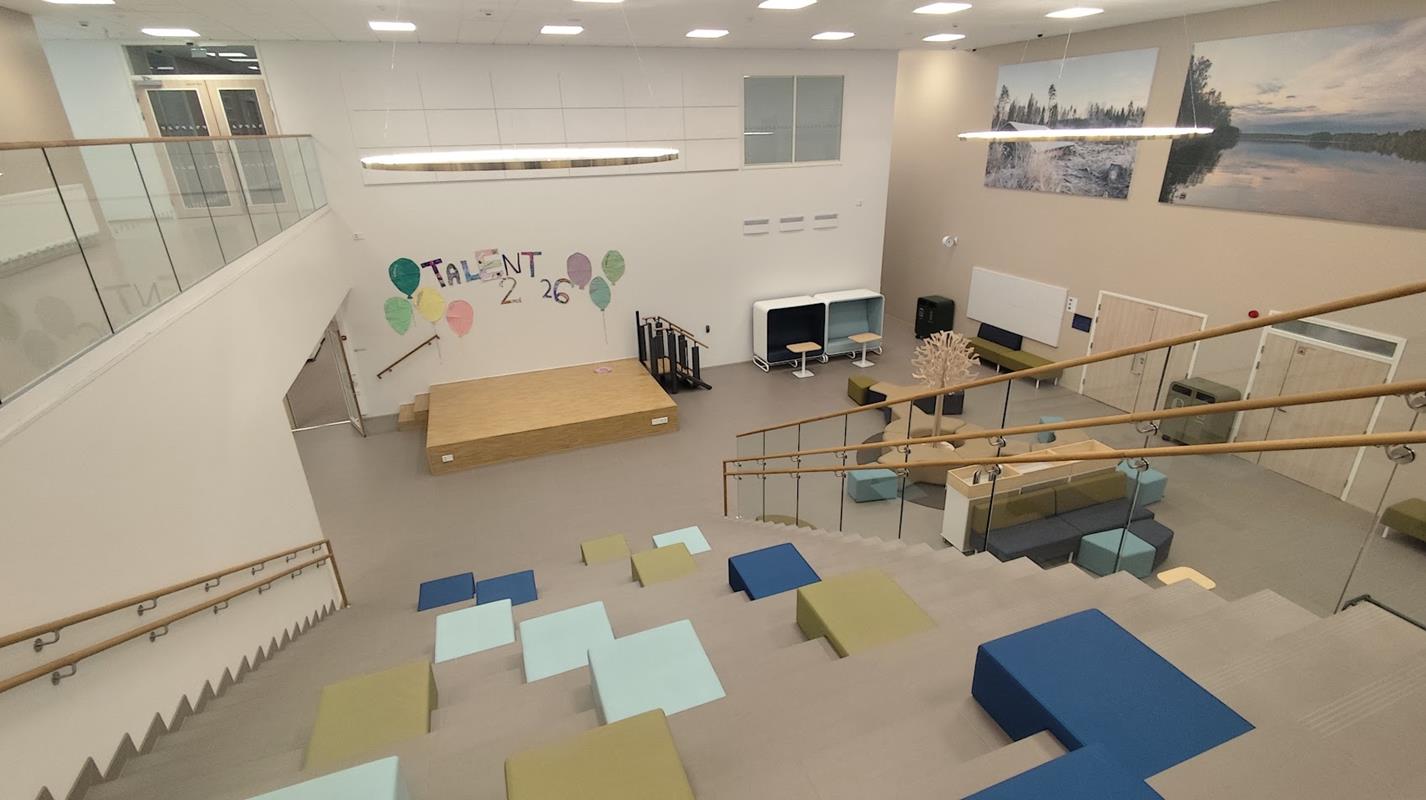
The programme also included a visit to the new Sääksjärvi school complex, which includes both primary and lower secondary education. The participants were particularly impressed by the way the school’s pedagogical vision had informed the architectural design of the building, the organisation of learning spaces and the overall school environment. This visit offered valuable insight into how school architecture can support collaboration, flexibility, wellbeing and modern pedagogical approaches.
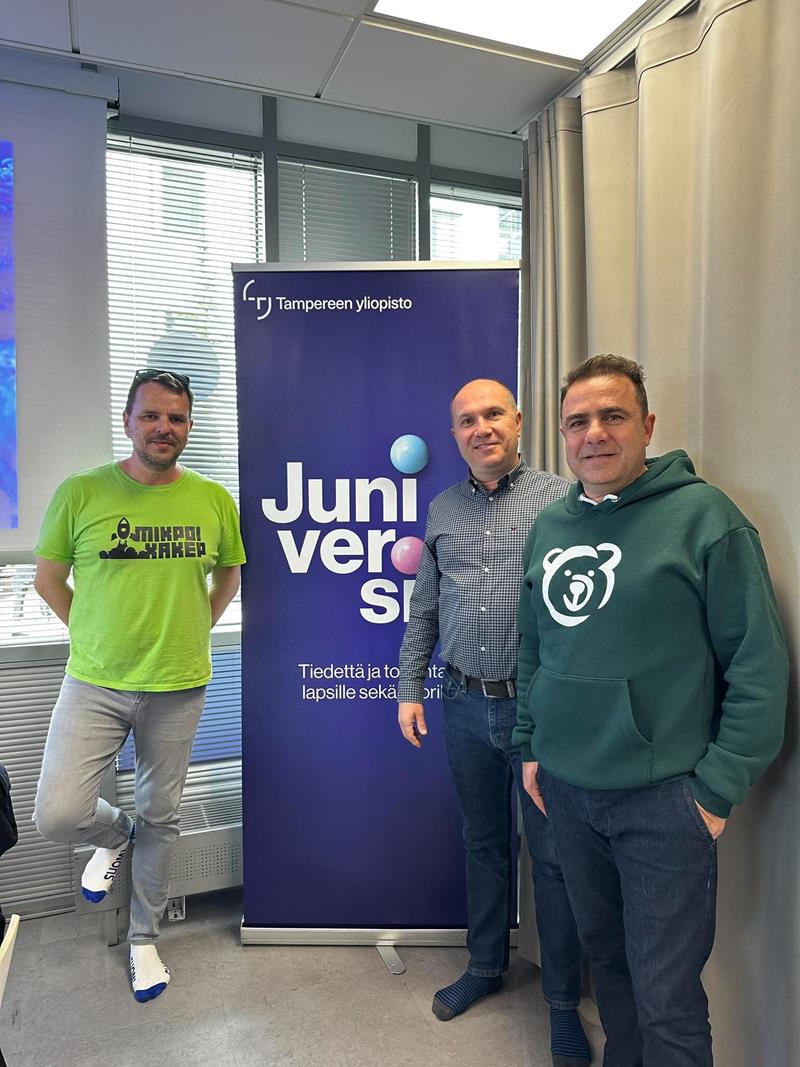
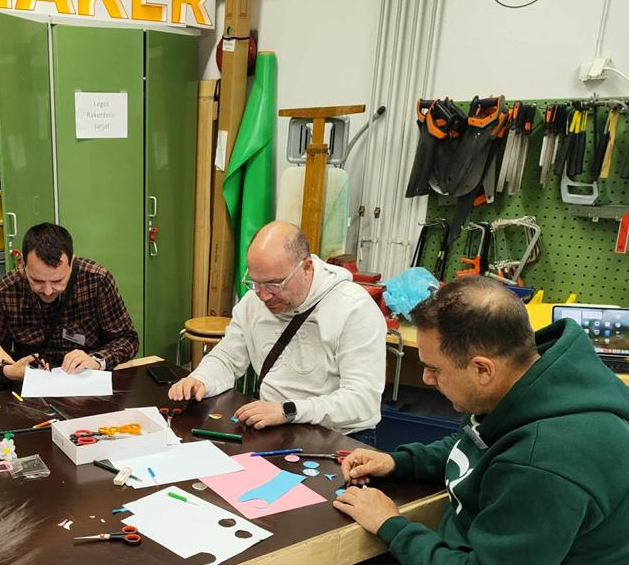
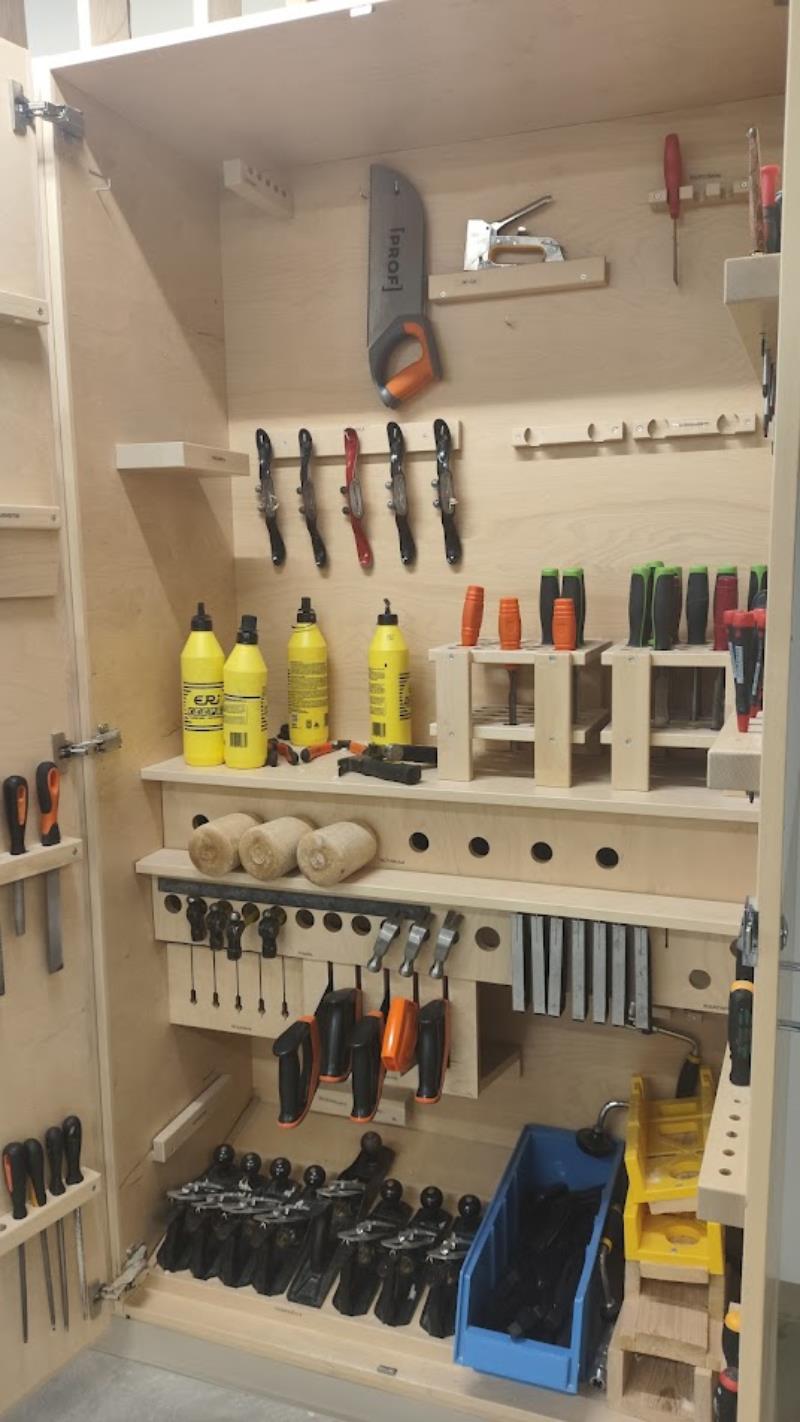
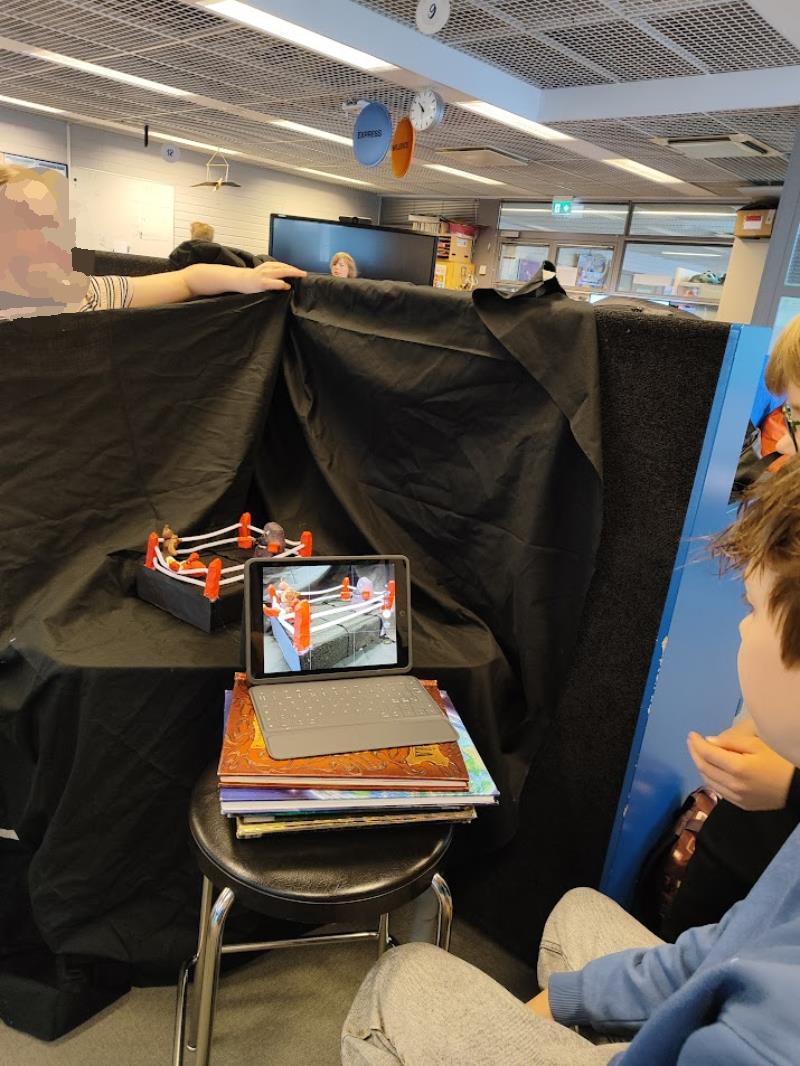
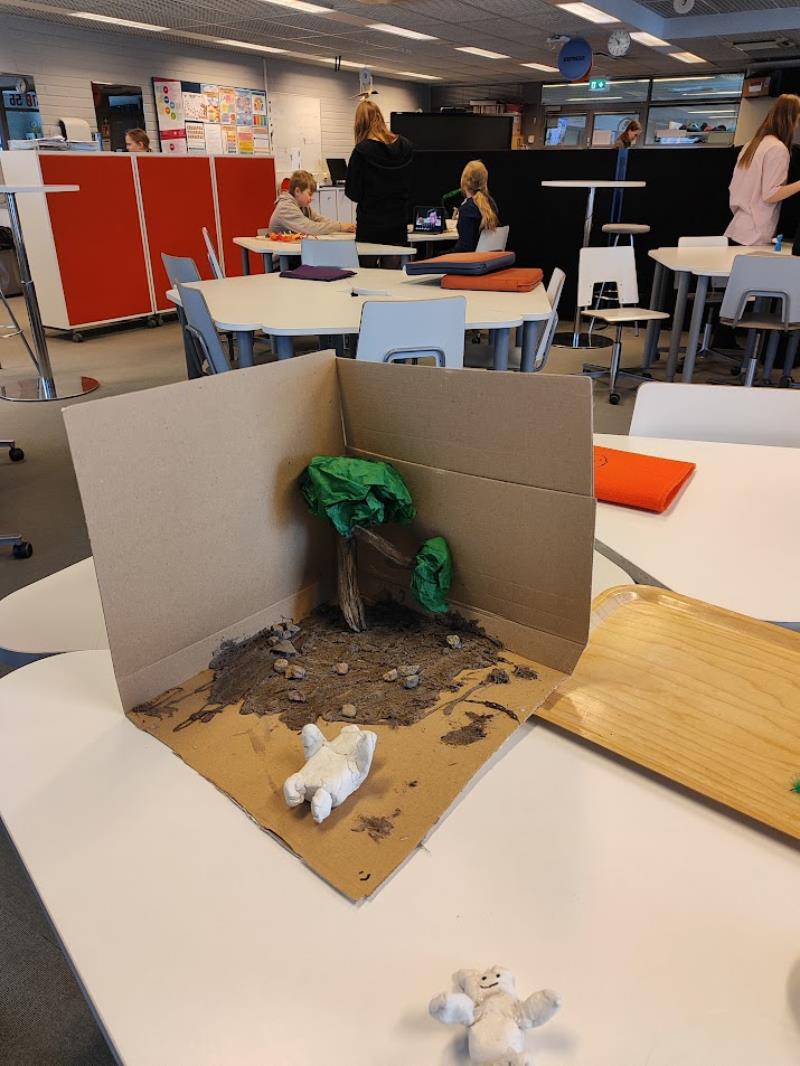
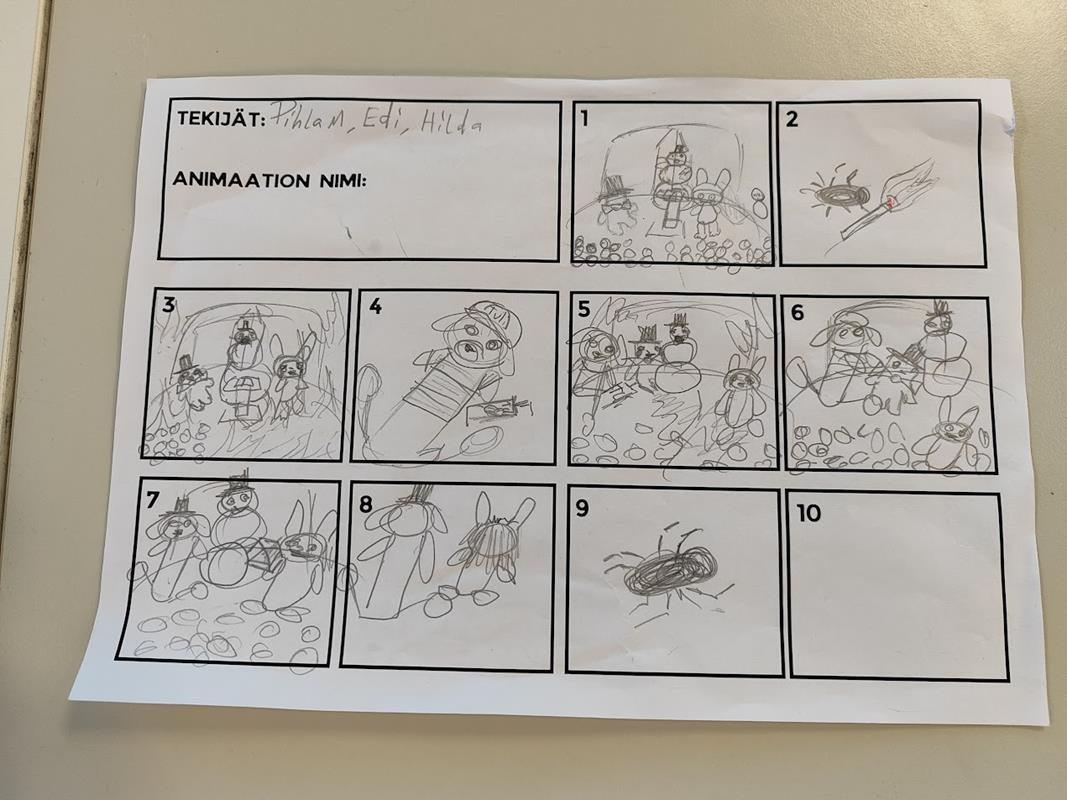
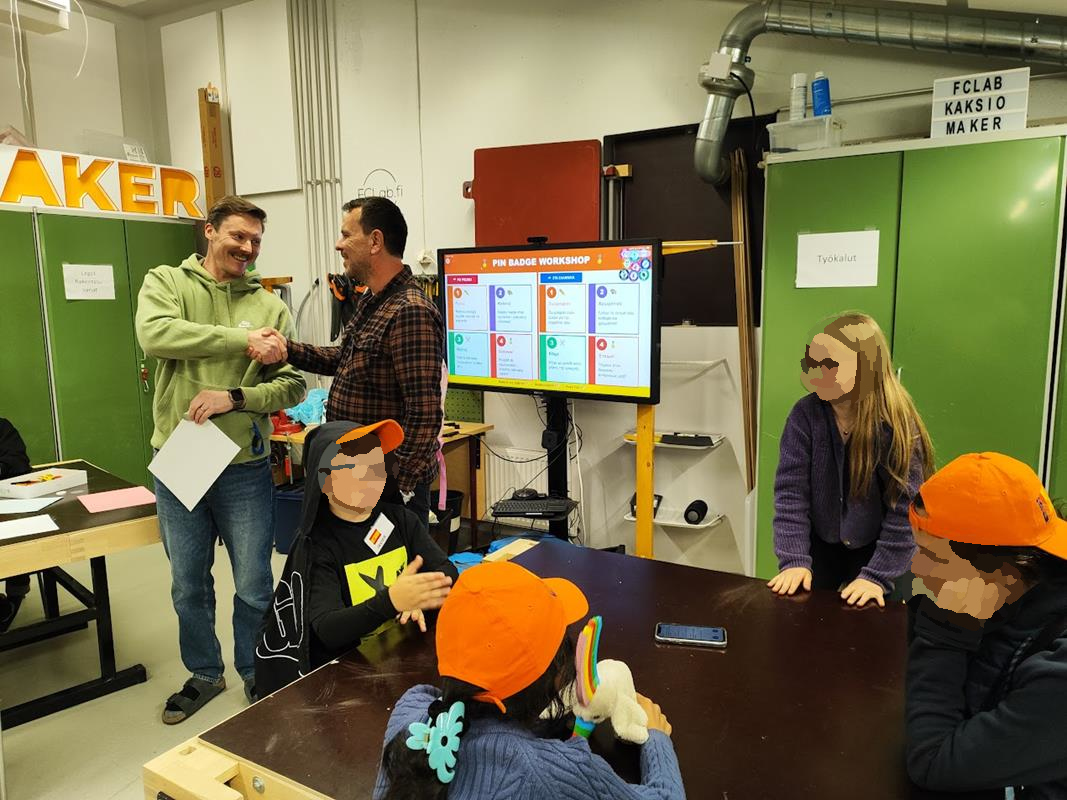
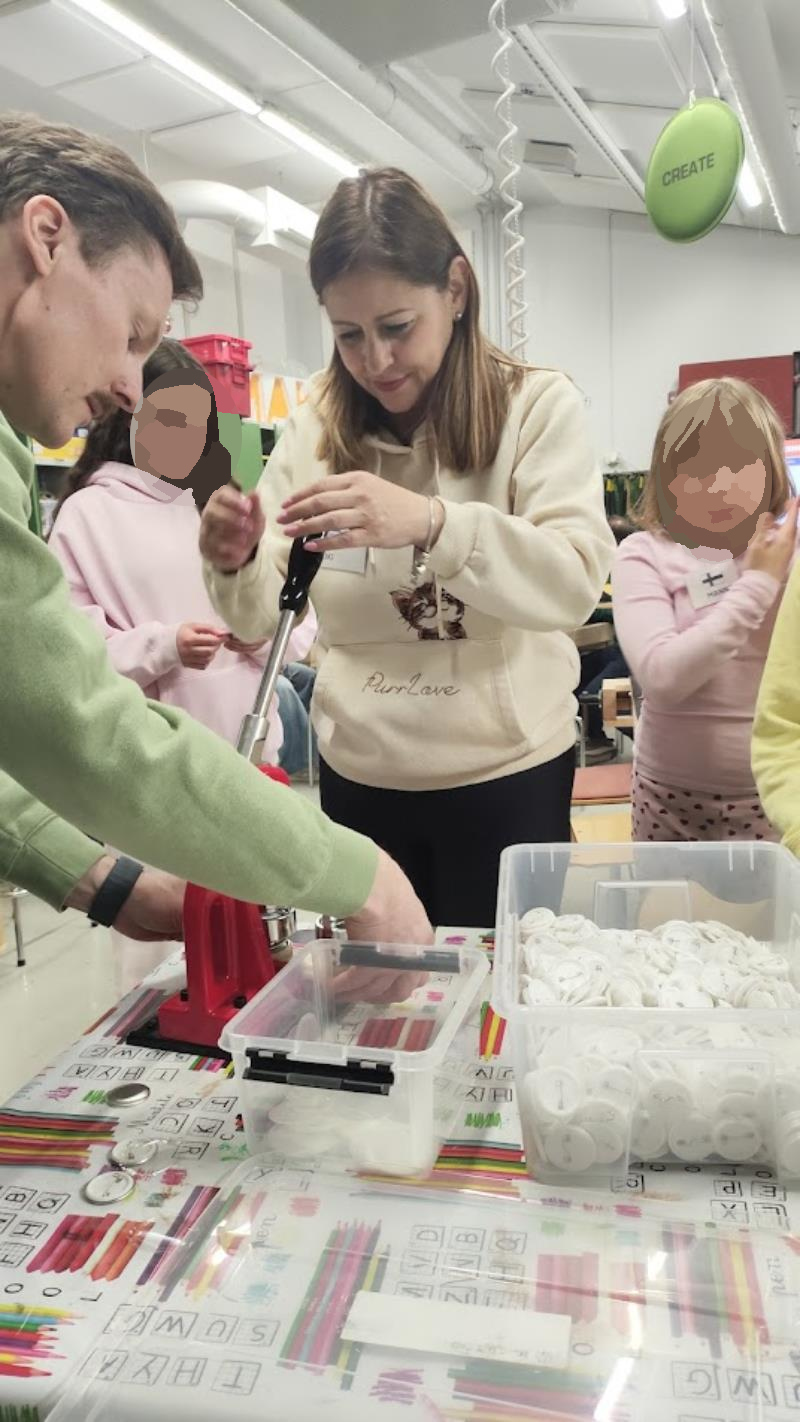
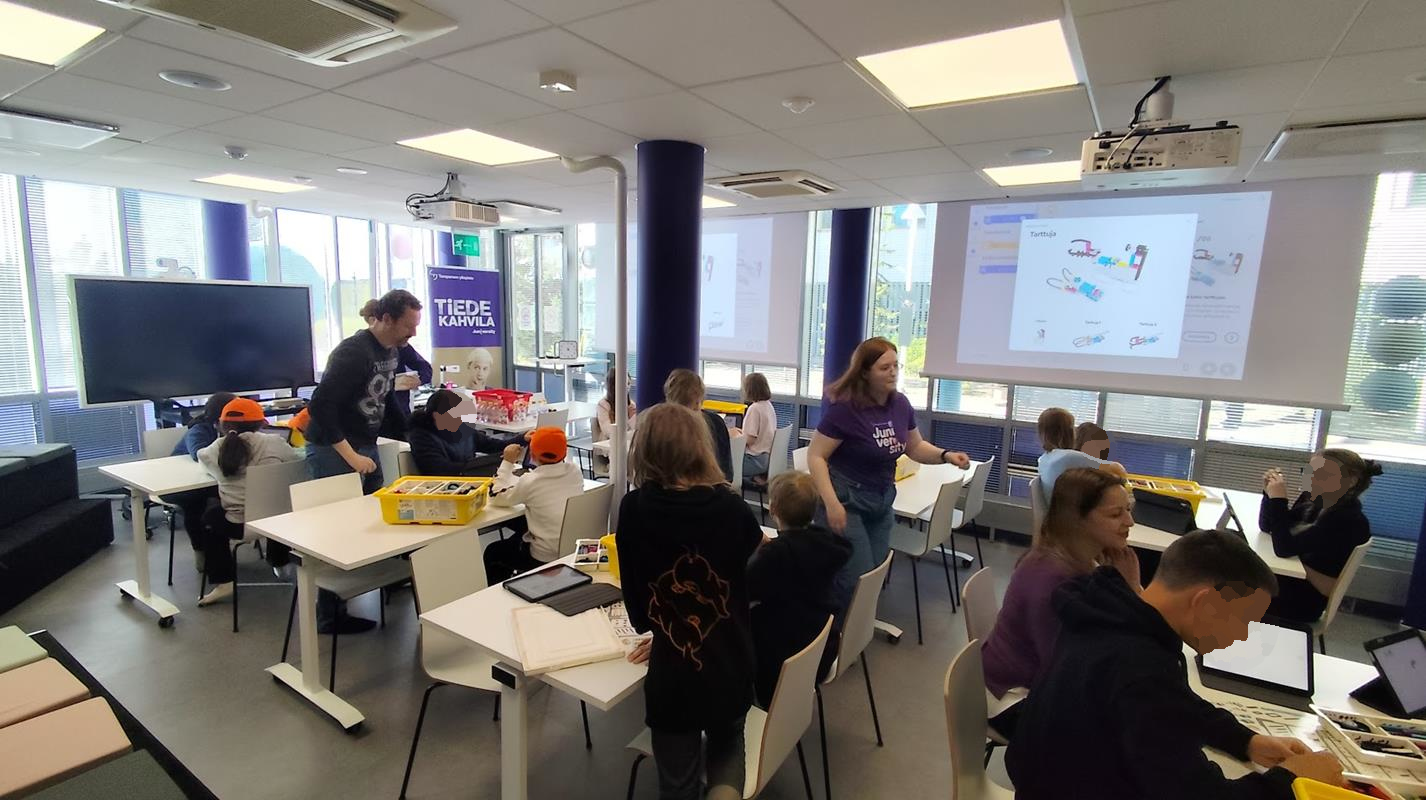
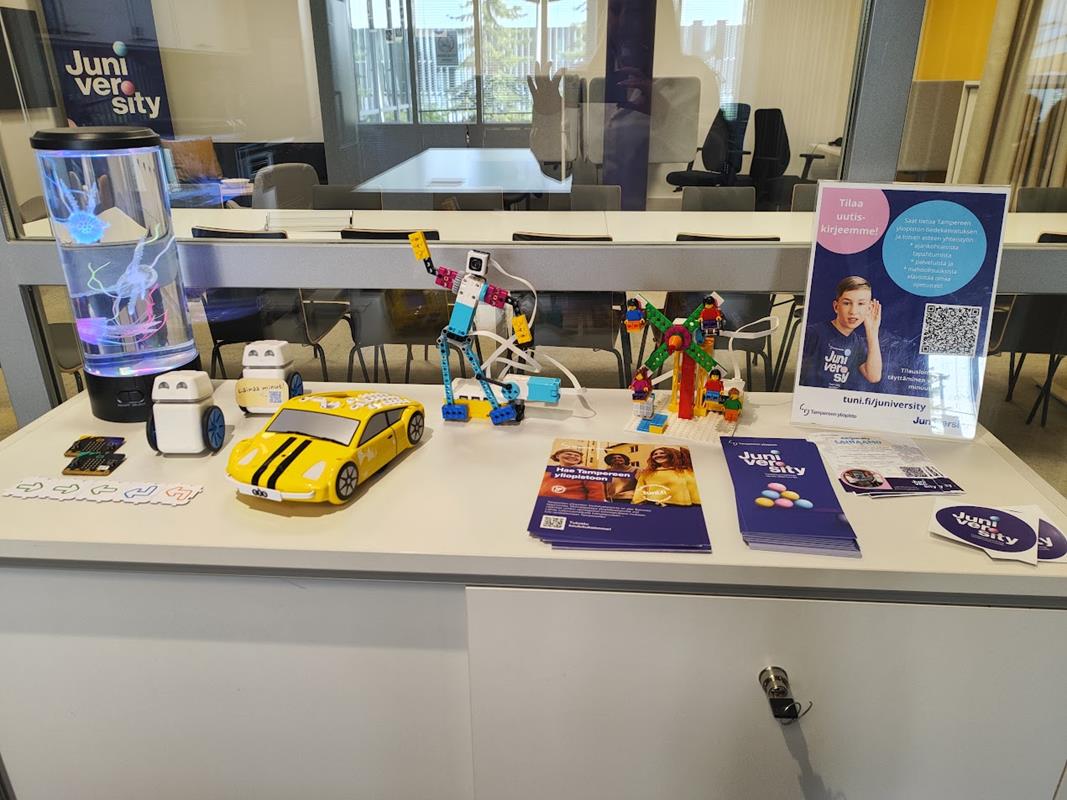
Another important part of the mobility was the exploration of STEAM, robotics and maker education. The teachers visited the Juniversity robotics lab in Hervanta and also had the opportunity to see the school’s maker lab. What stood out was the emphasis on design, experimentation and hands-on learning, often using simple materials rather than relying only on advanced technology. This approach highlighted how creativity, problem-solving and design thinking can be cultivated through accessible and meaningful classroom activities.
The mobility also included meetings with the school principal and the school coach, offering the participants the chance to better understand the Finnish school culture, student support practices, school organisation and approaches to innovation in education.
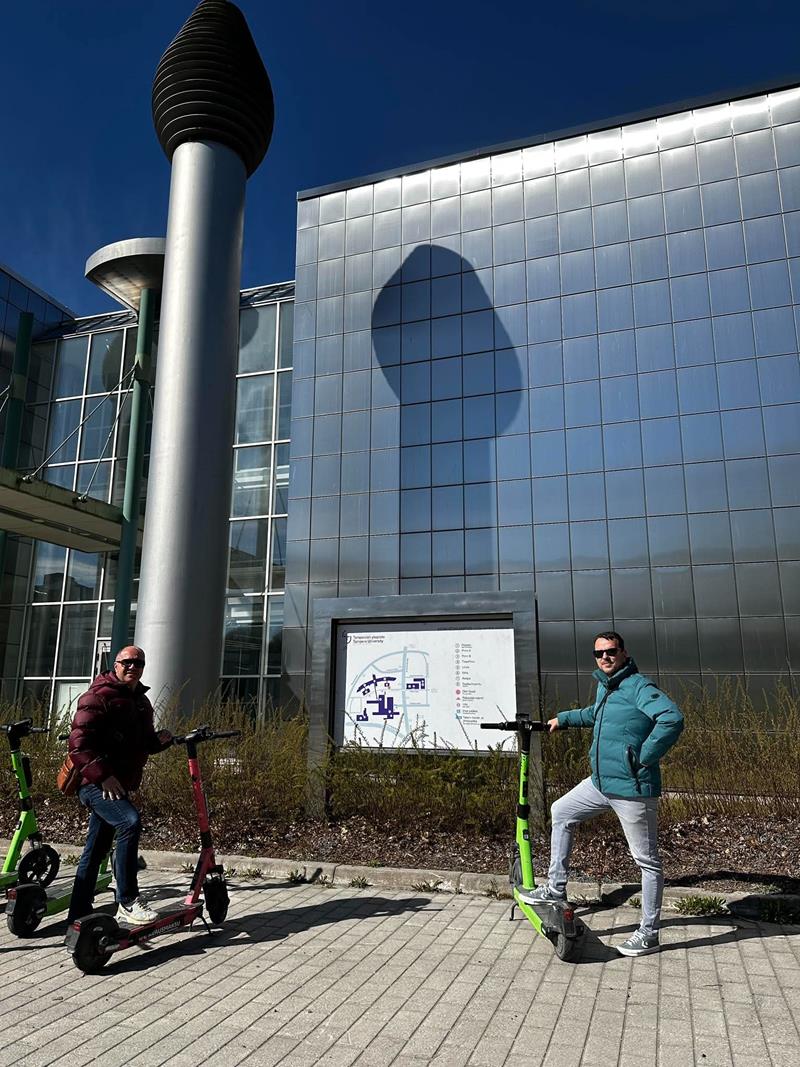
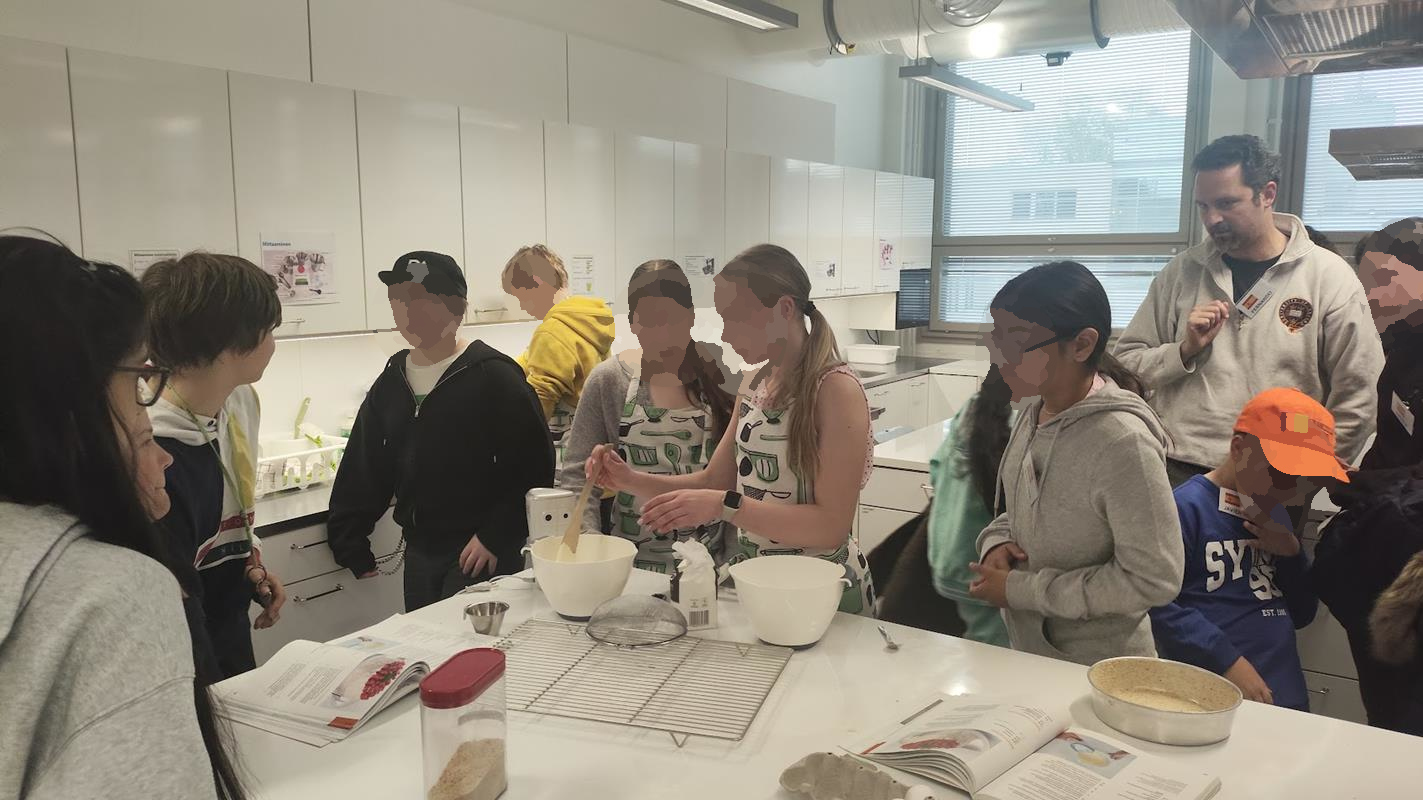
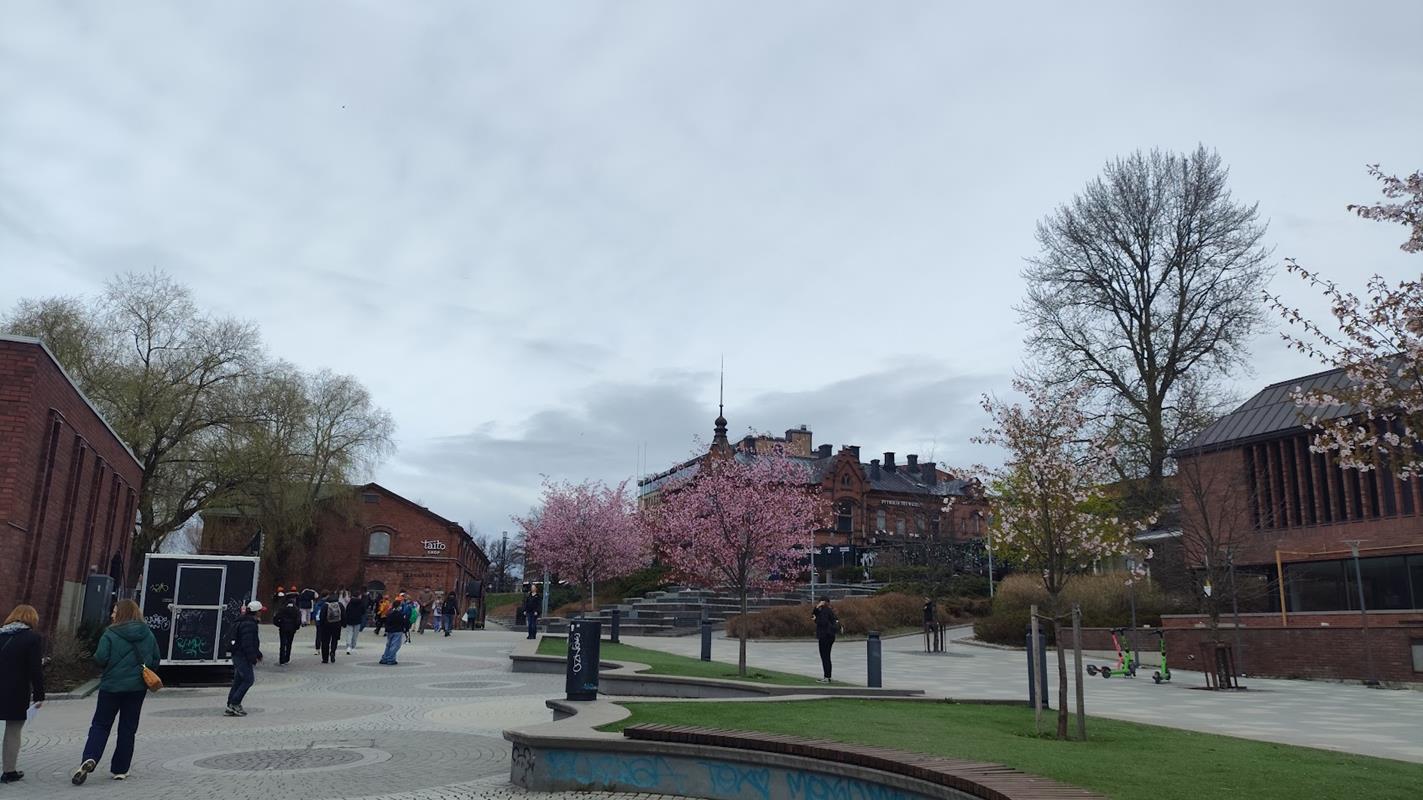
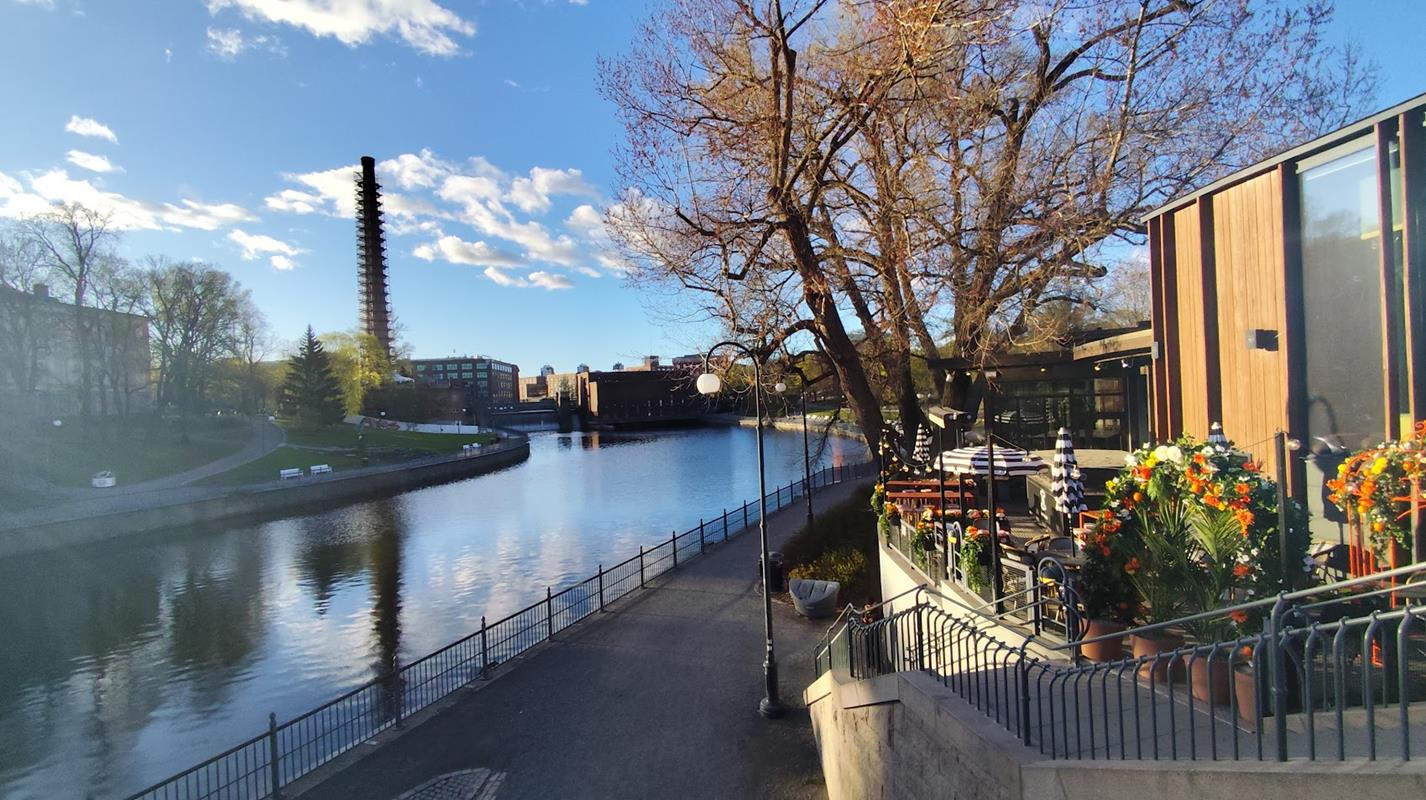
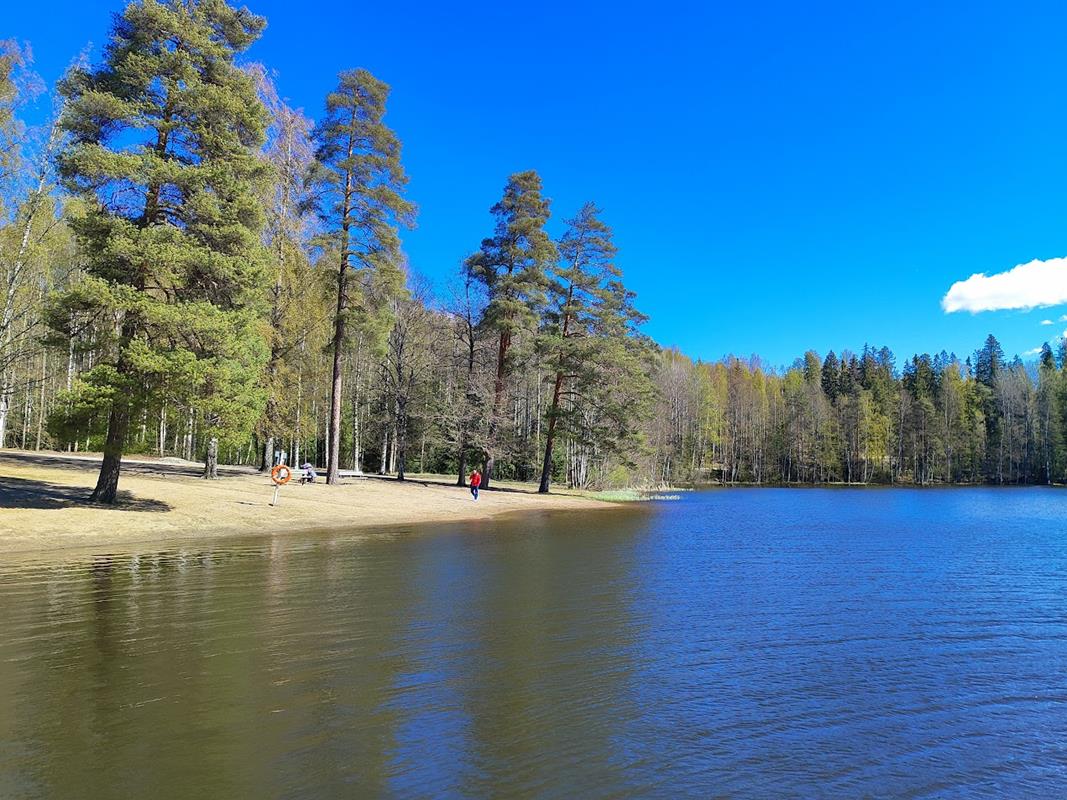
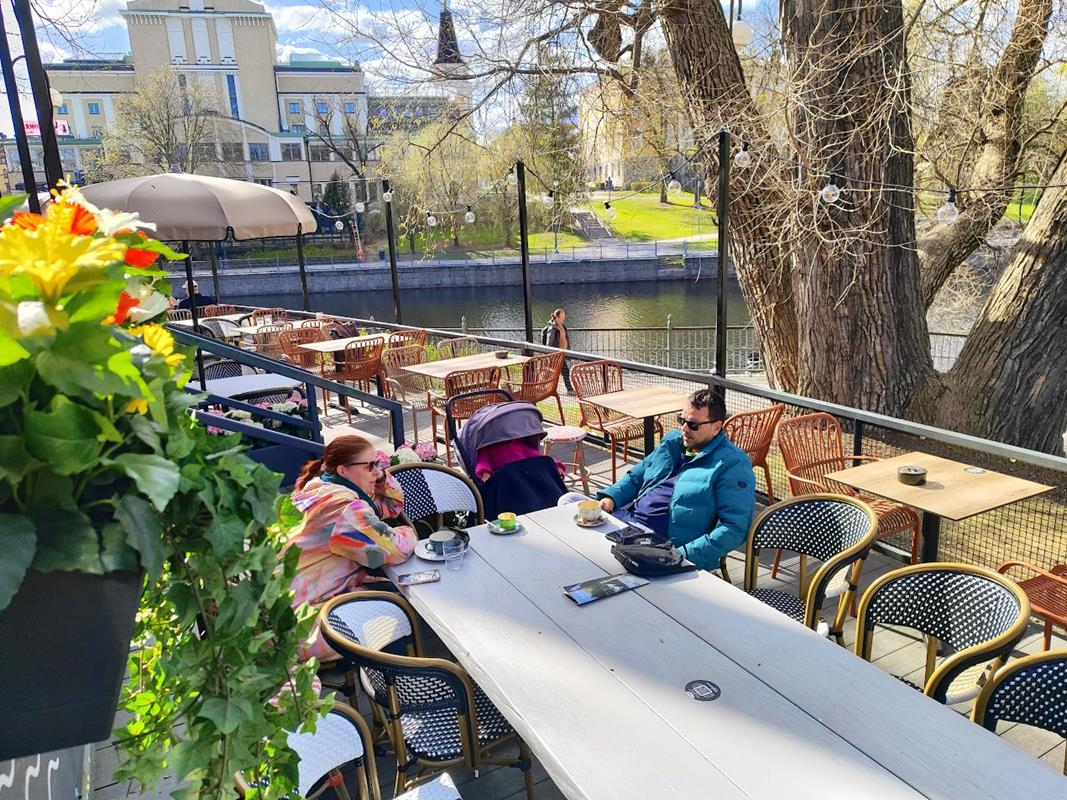
In addition to school-based activities, the programme included cultural and outdoor learning experiences, such as a guided tour in Tampere, Finnish cooking a nature trip and informal exchanges with Finnish teachers. These experiences helped the participants gain a deeper understanding of the local culture and the role of nature, wellbeing and community in Finnish education.
At the end of the mobility, the teachers took part in reflection and farewell activities, discussing the main learning outcomes of the week and possible ways to transfer useful ideas to the Greek school context.
We warmly thank the host school, the teachers, the school leadership, and the school coach for their warm welcome, support and willingness to share their practices with us.
This Erasmus+ mobility was a valuable professional development experience for the teachers of the CHAIN Consortium. It strengthened our understanding of Artificial Intelligence in education, inspired reflection on creative and responsible technology use, and opened new perspectives on STEAM, design, school architecture and innovative learning environments.


Share this content: