
From 9 to 13 March 2026, 19 sixth-grade students from the four schools of the CHAIN Consortium participated in an Erasmus+ group mobility of school pupils in Landerneau, France. The mobility was hosted by Saint Julien School / OGEC Saint Julien and offered our students a valuable opportunity to learn, cooperate and live together with peers from another European country.
During the same week, a school group from Walim, Poland, with which our consortium has cooperated in the past, was also hosted in Landerneau. This created a rich international learning environment, where Greek, French and Polish students participated together in common activities, shared experiences and built new friendships.
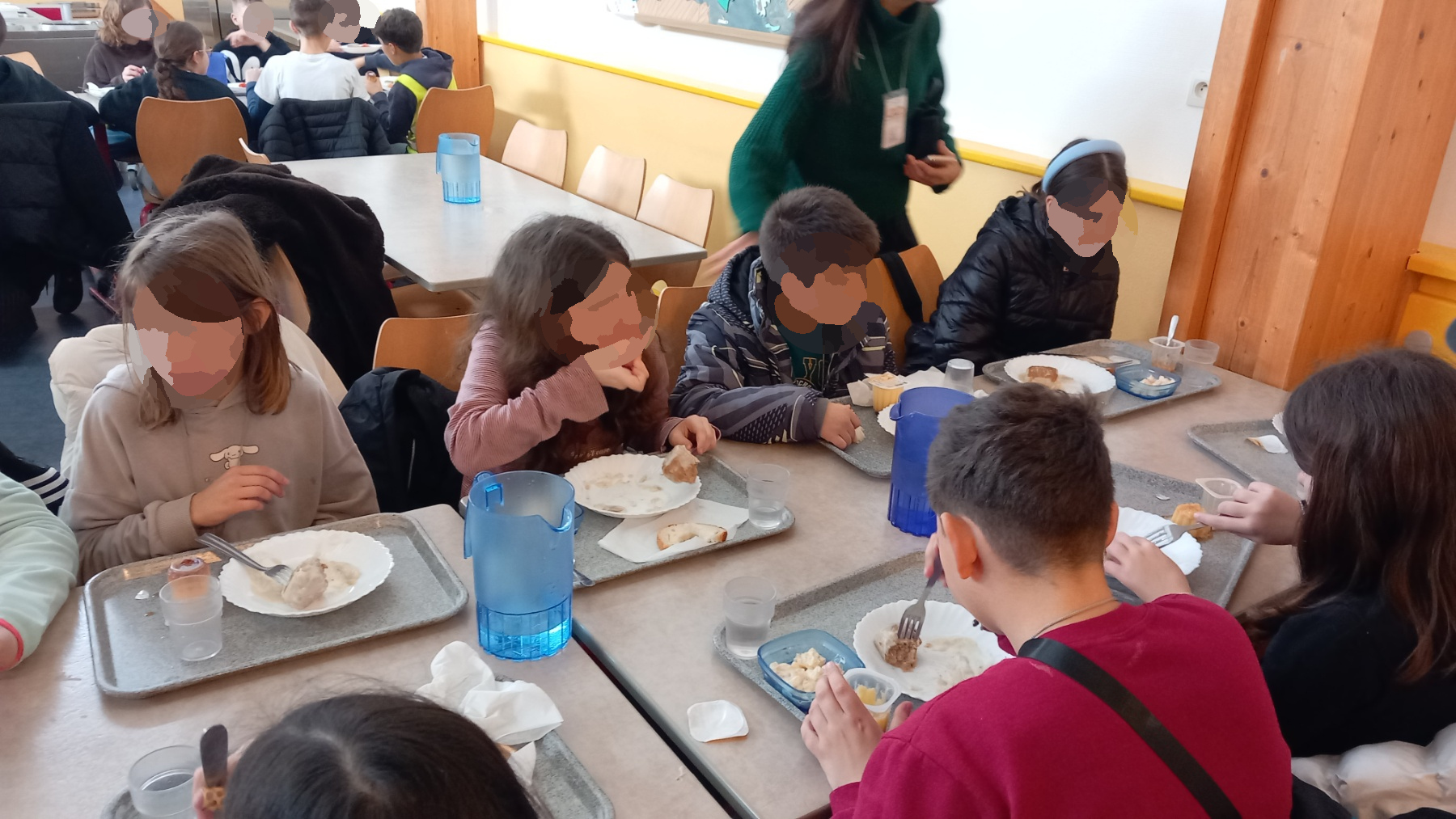
One of the most meaningful aspects of the mobility was that the Greek students were hosted by French families. Through this experience, they did not only participate in school activities, but also had the chance to experience everyday family life, local habits and the warm hospitality of the community. For many students, this was one of the most memorable parts of the whole Erasmus+ experience.
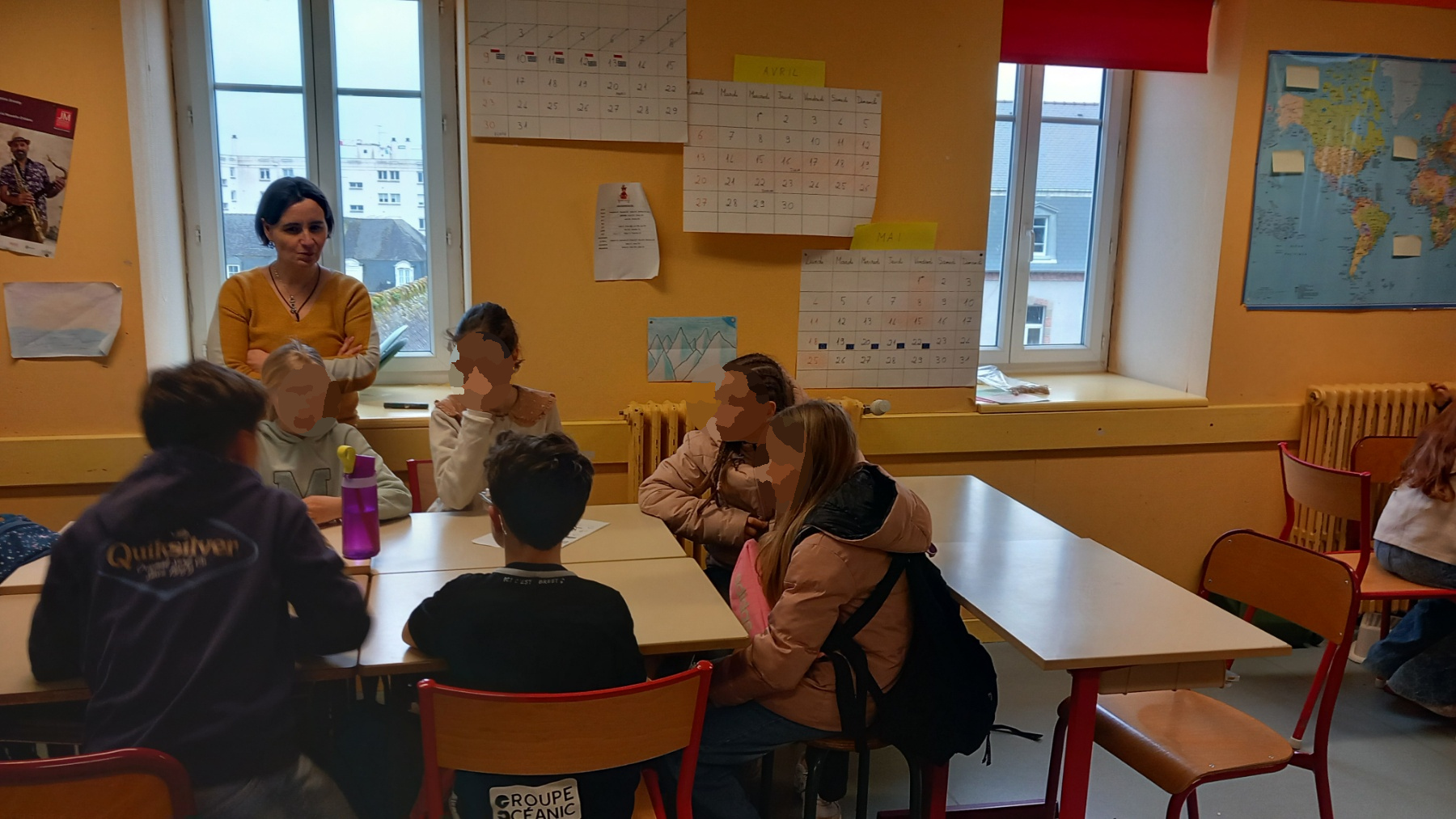
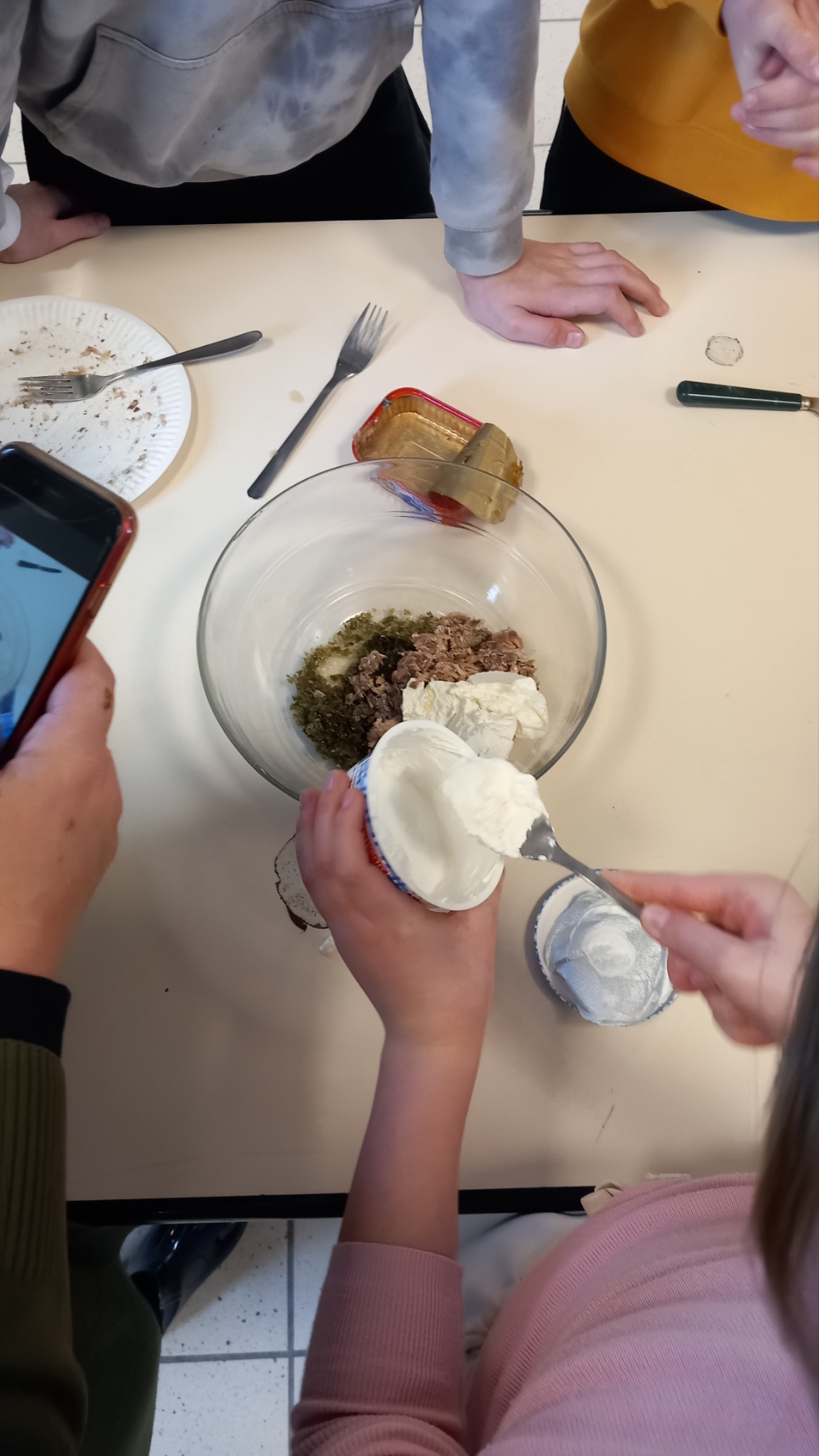
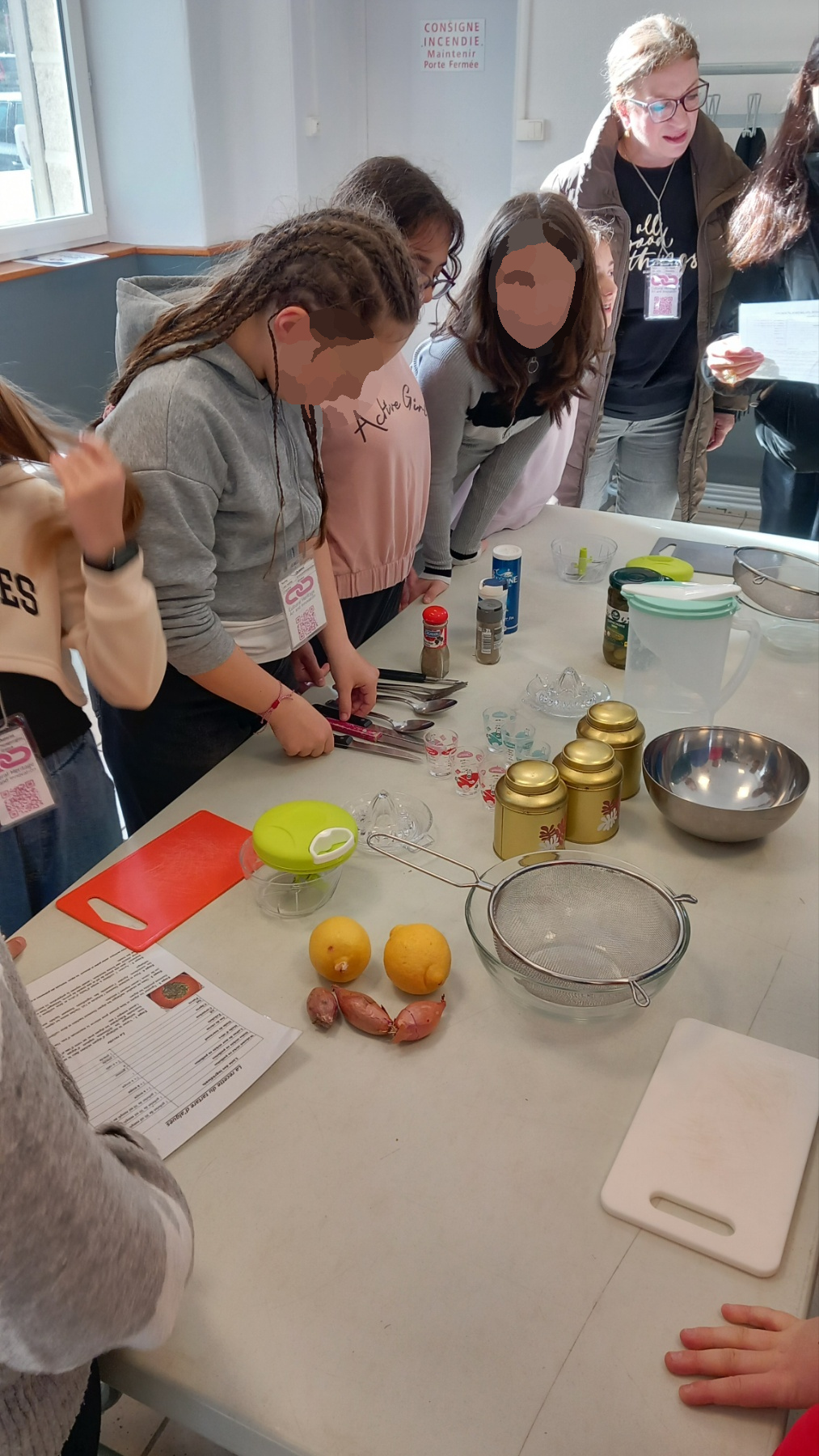
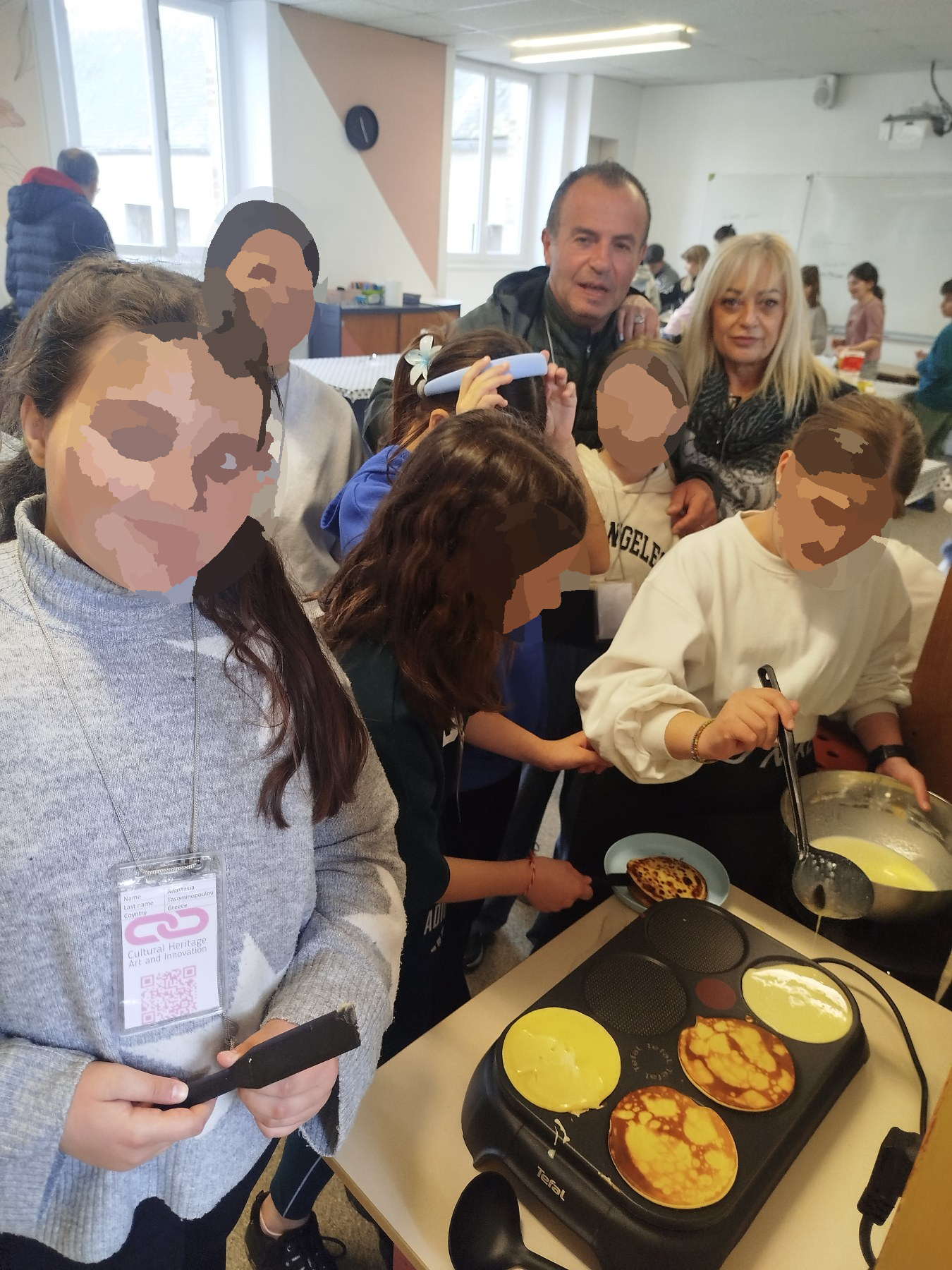
The programme began with a welcome reception, presentations of the participating schools and intercultural ice-breaking activities. Students introduced themselves, shared elements of their school life and local culture, and worked in mixed international groups. They also participated in creative workshops, including a cooking activity with a local recipe, a Breton dance workshop, and cultural performances that helped them discover local traditions in an active and joyful way.
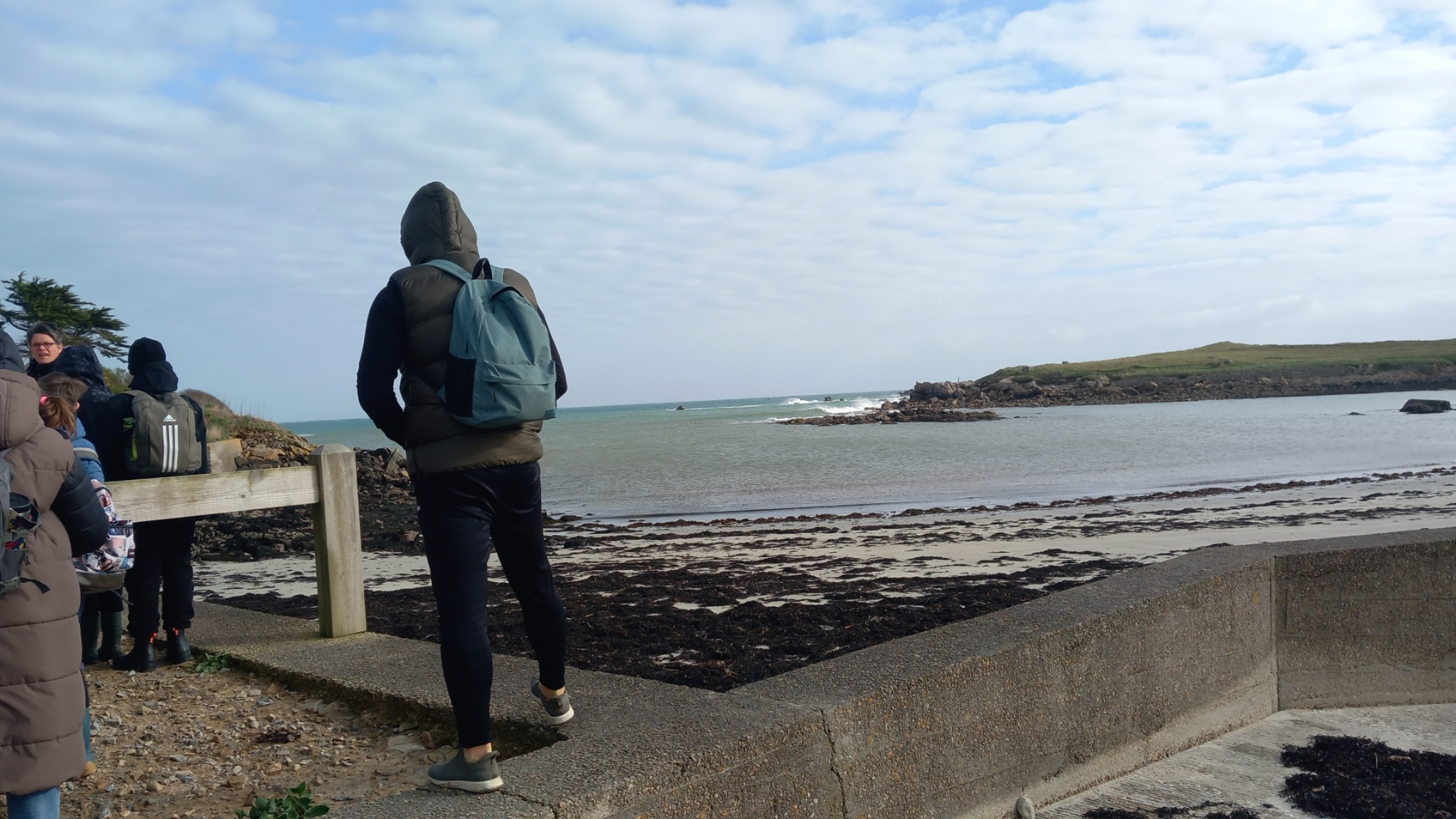
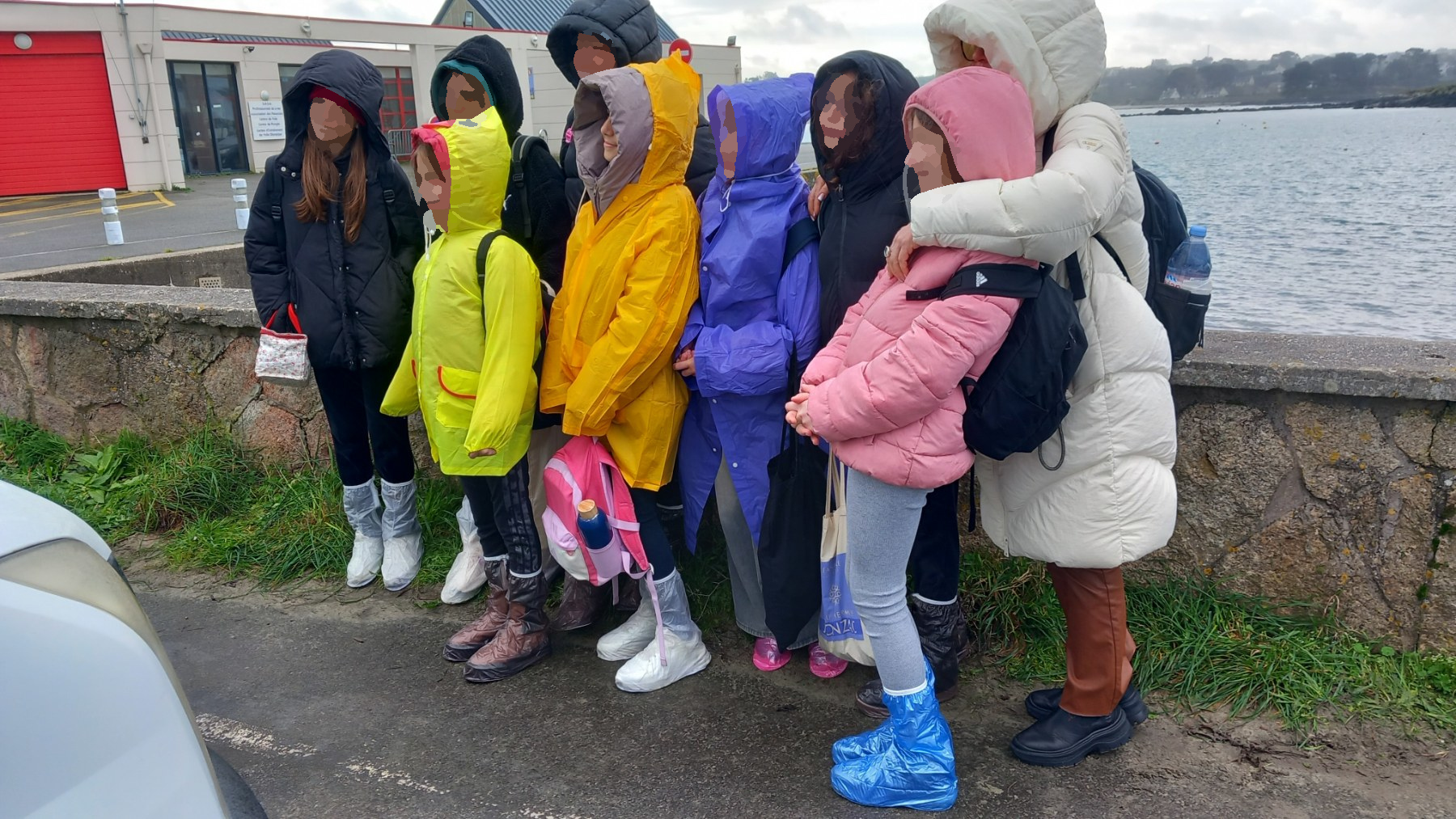
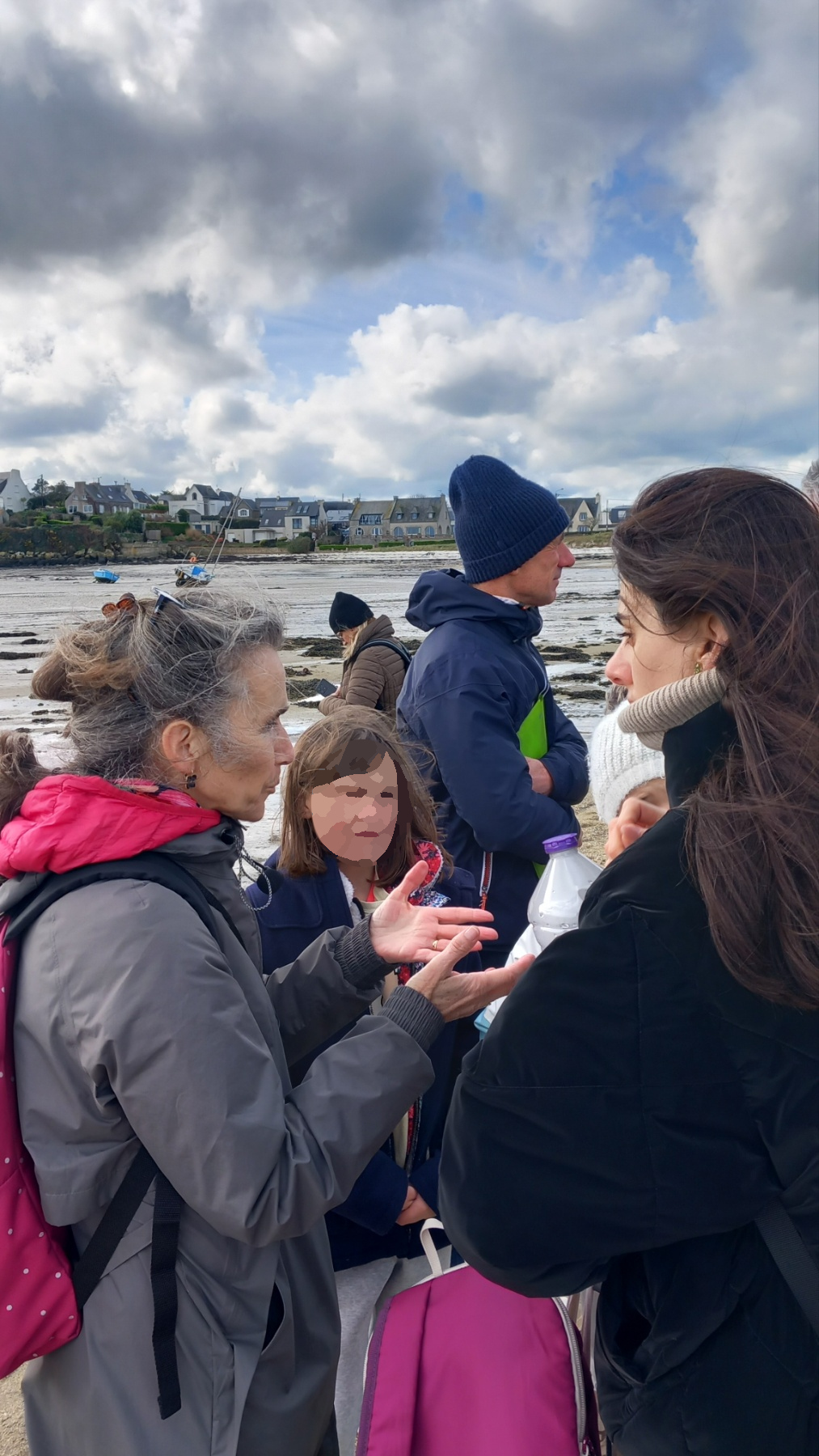
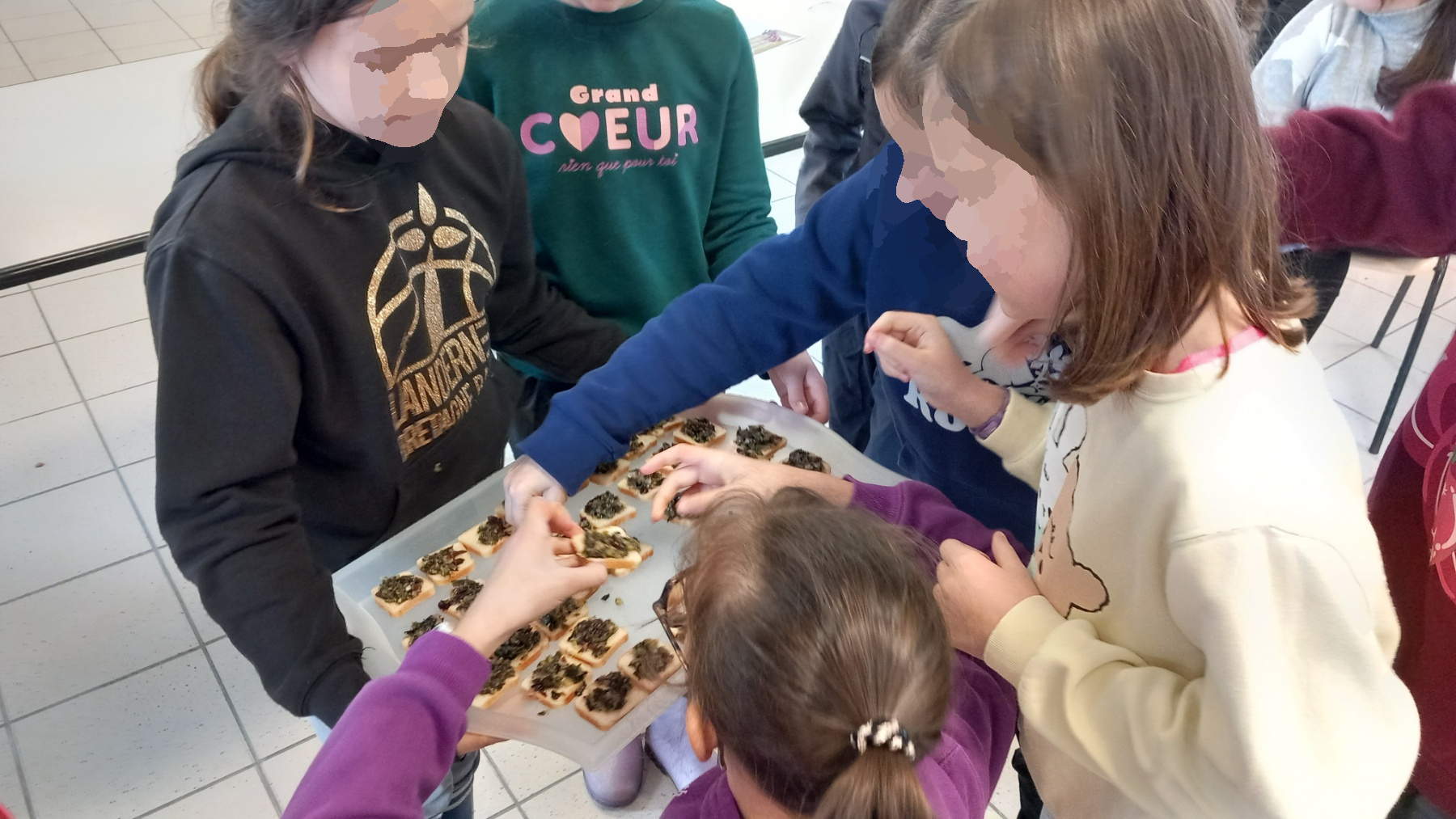
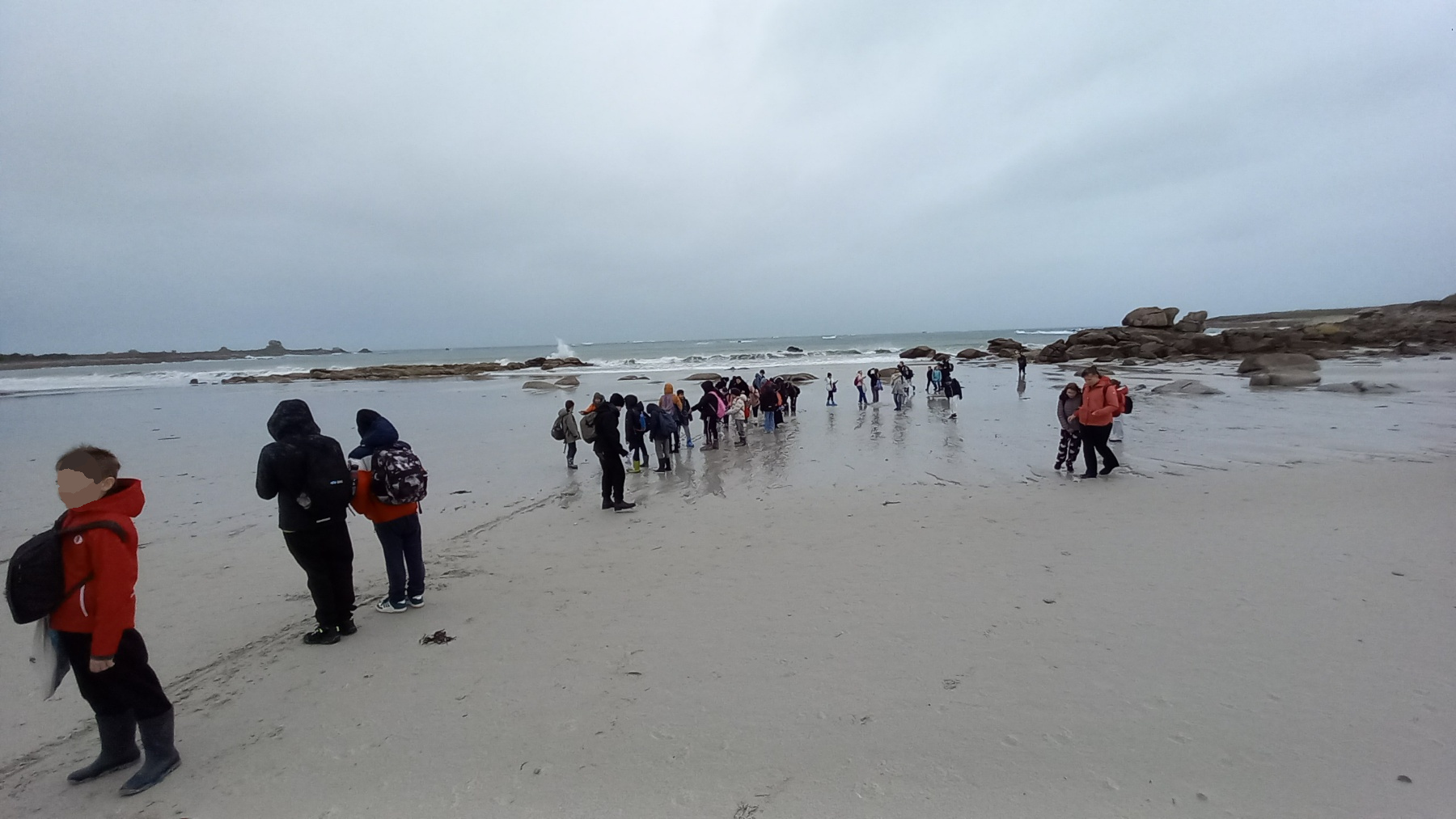
A central theme of the mobility was the connection between natural resources, local culture and sustainability. Students took part in field activities related to the coastal environment, discovered seaweed and harbour heritage, and explored how marine resources can be connected with food, everyday life and responsible environmental behaviour. A cooking workshop using seaweed helped students understand the relationship between nature, local production and sustainable food practices.
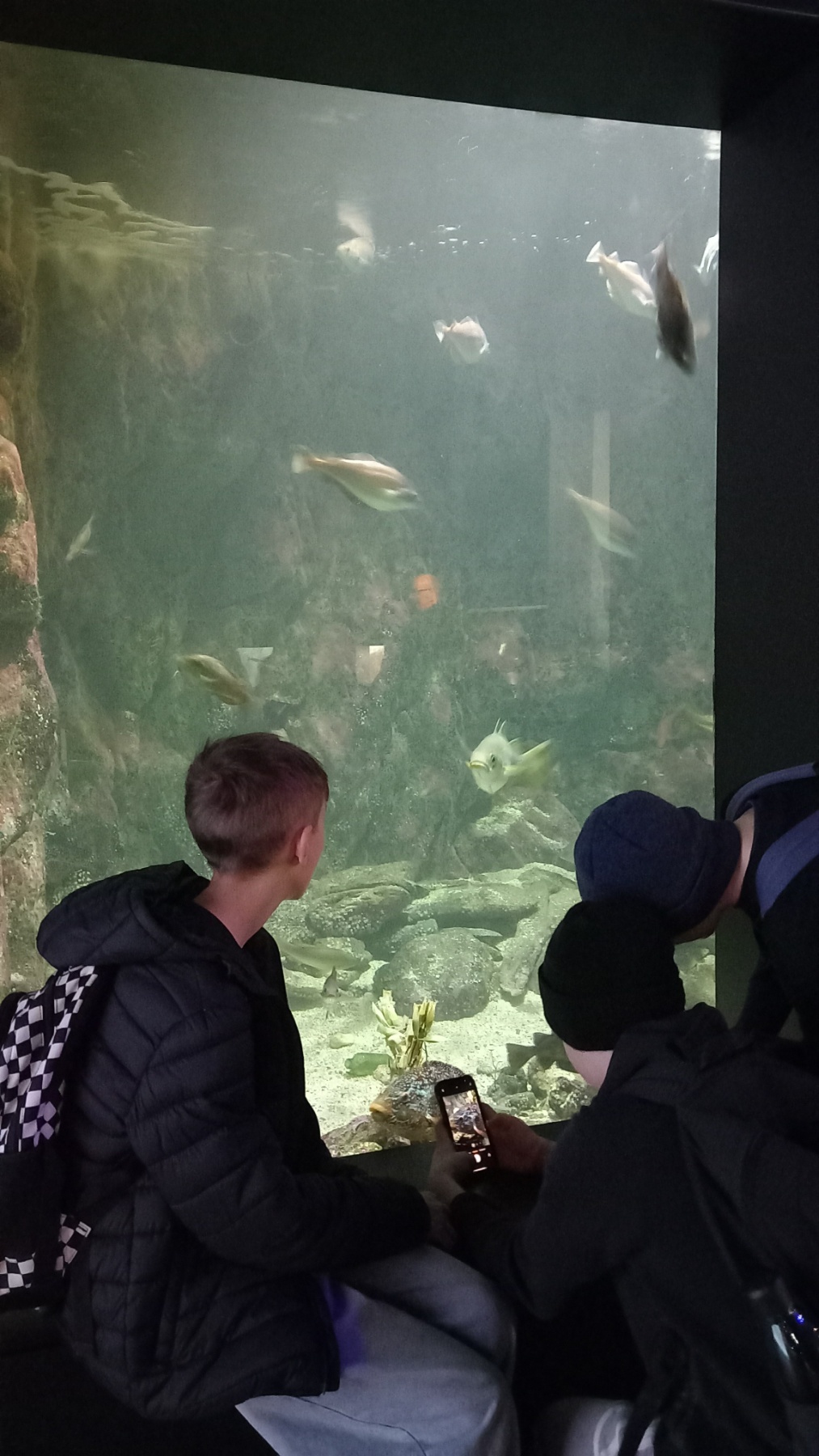
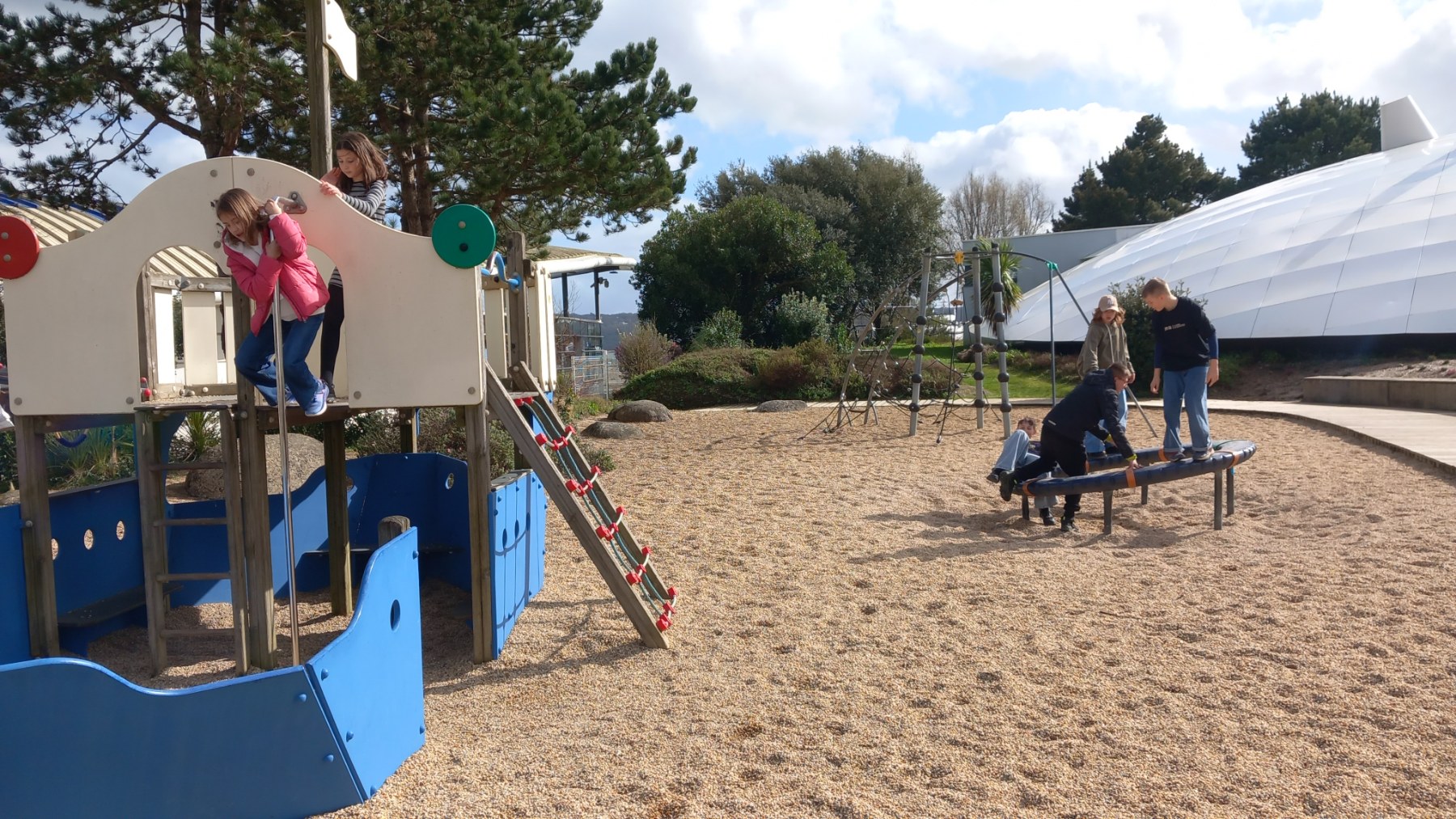
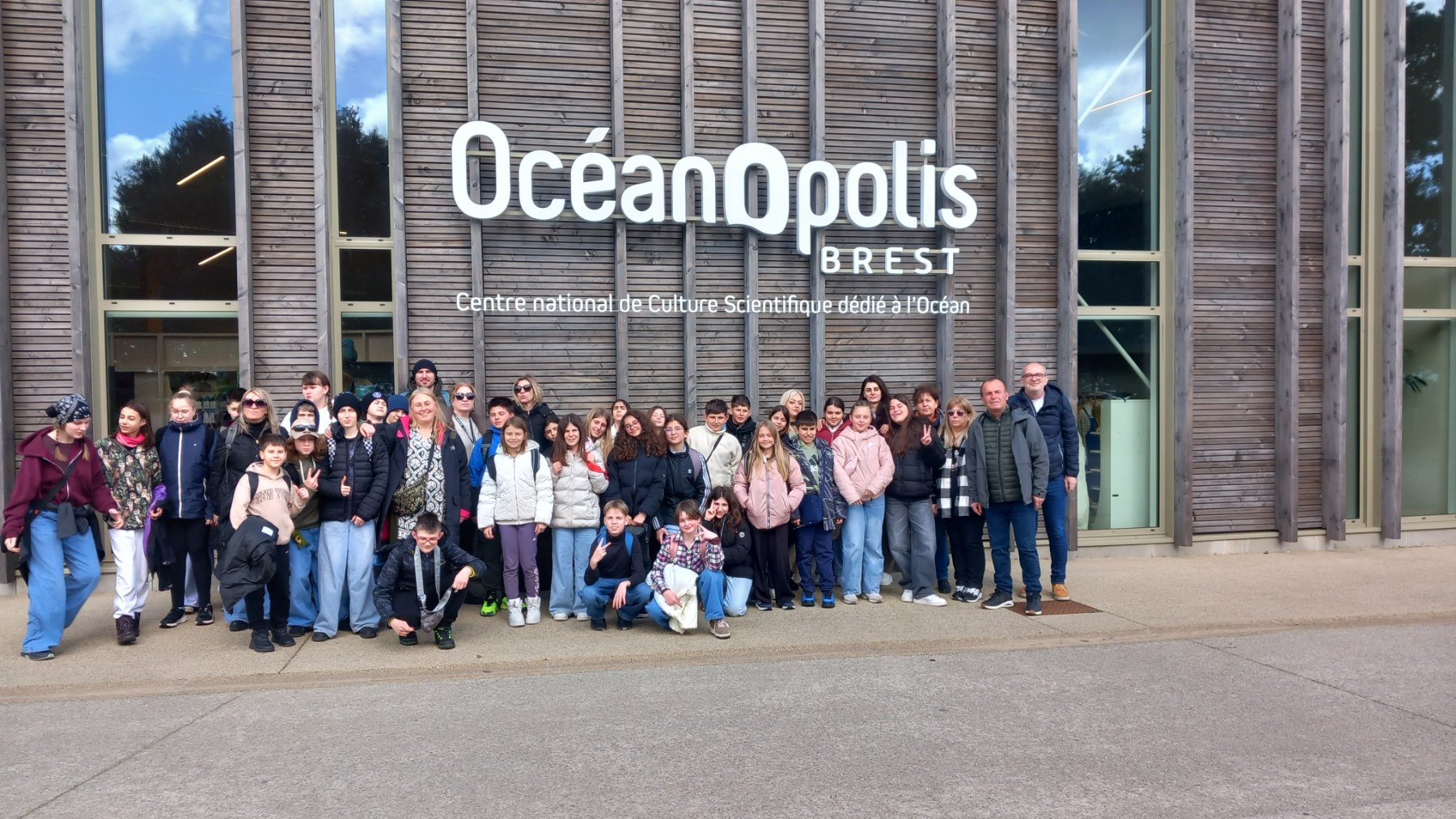
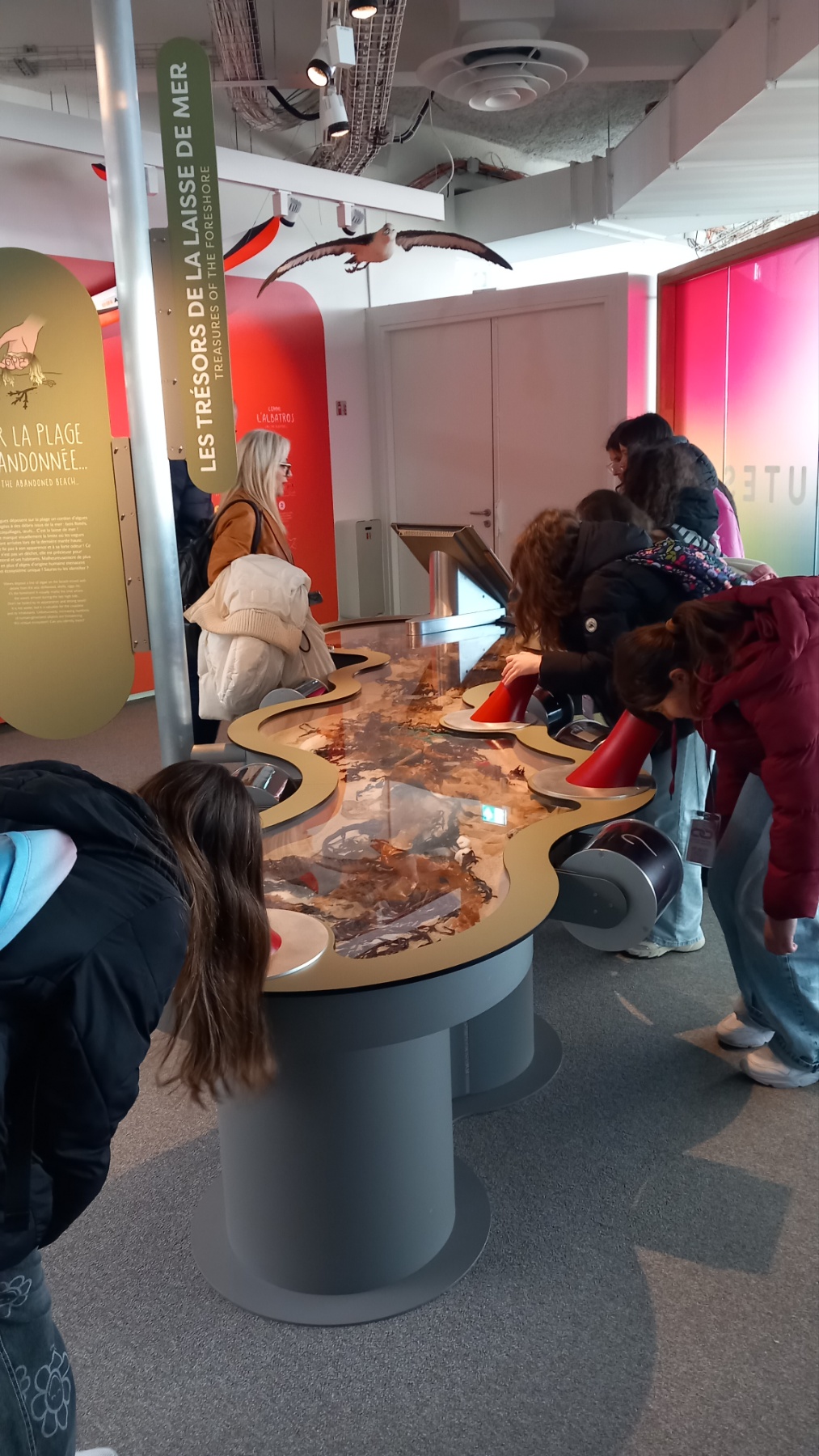
The programme also included an educational visit to Brest, where students explored the city centre and visited Océanopolis, the National Centre for Scientific Culture dedicated to the oceans. Through this visit, they discovered marine ecosystems, observed biodiversity and reflected on the importance of protecting the sea and coastal environments.
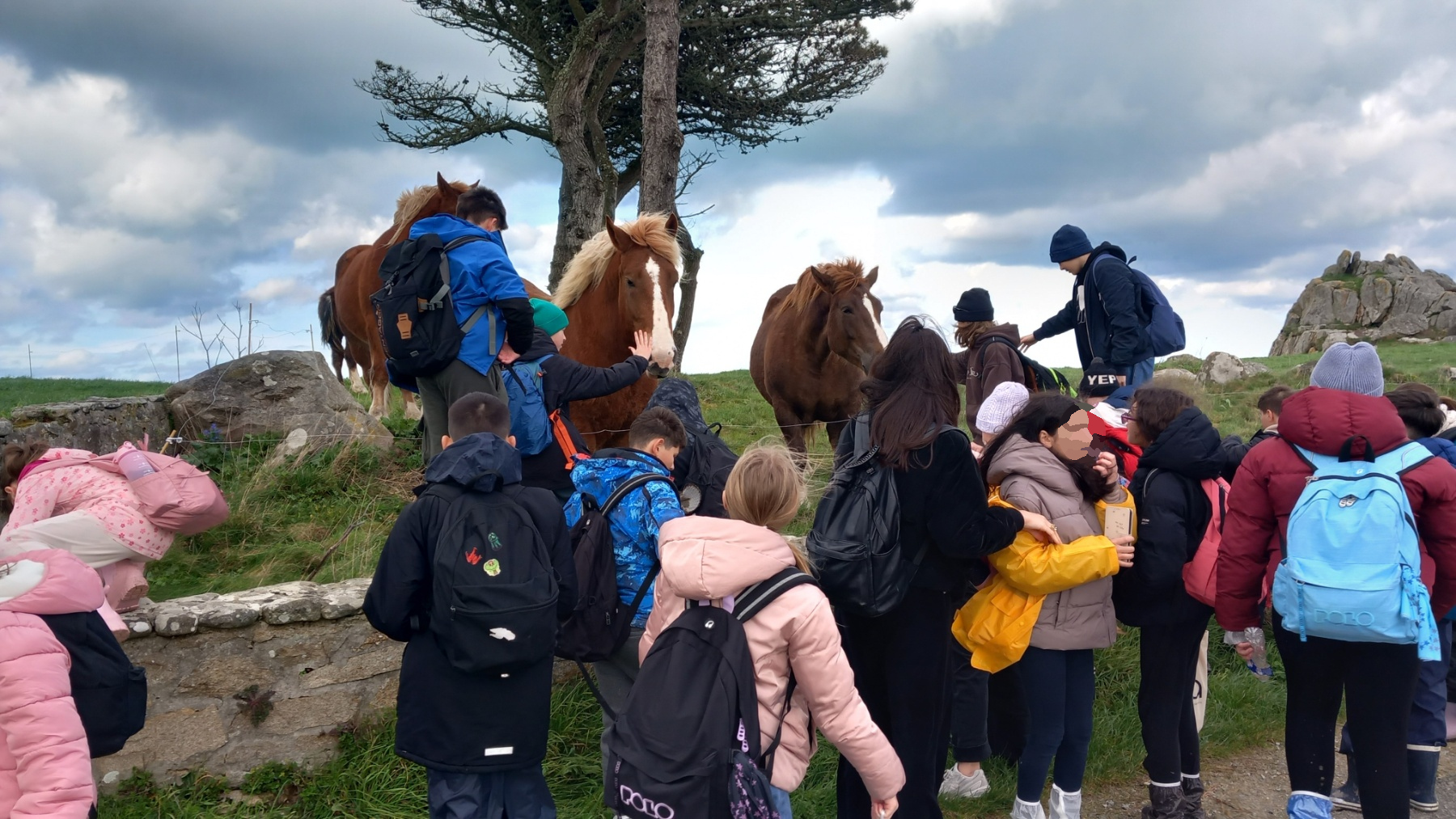
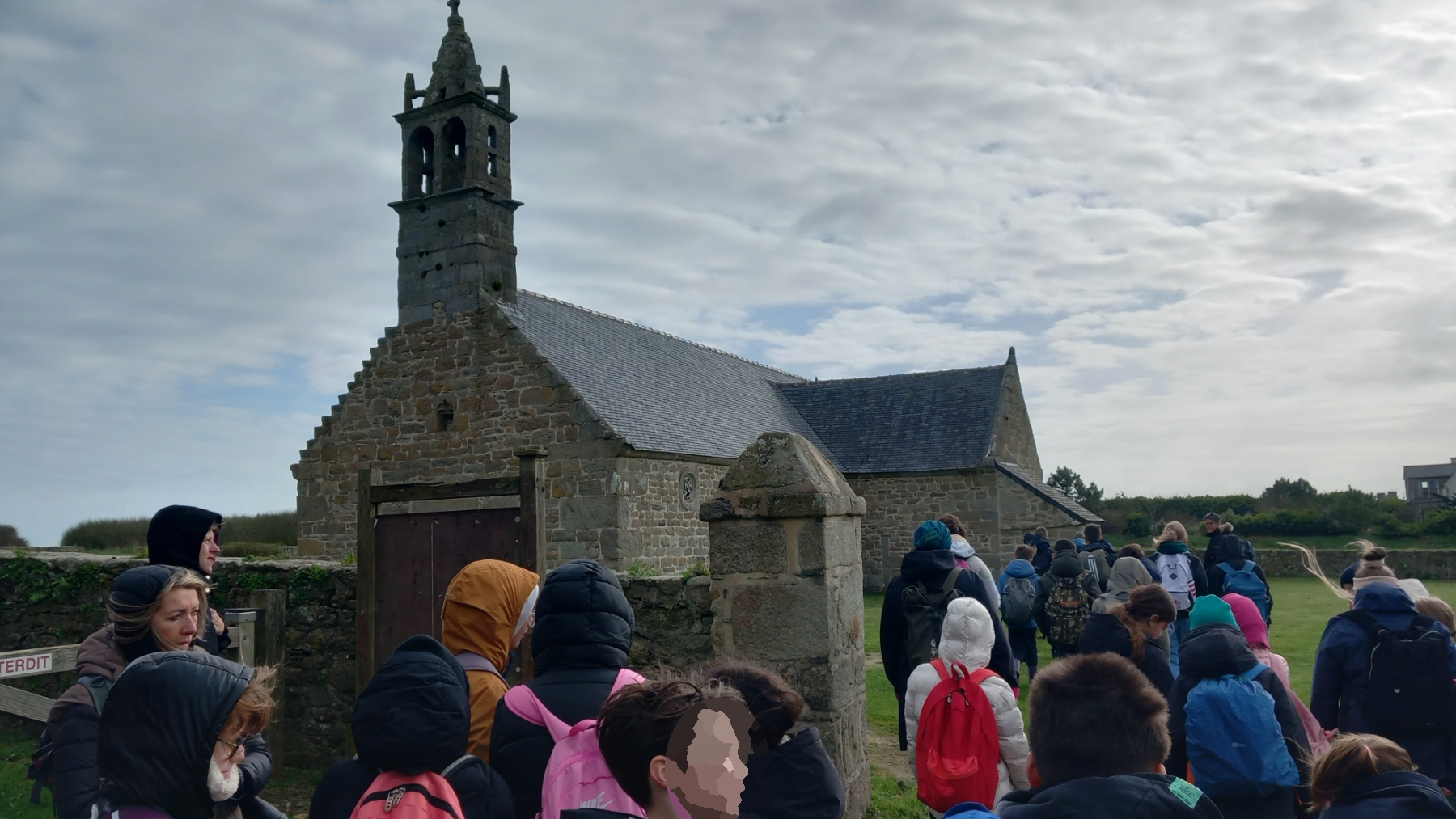
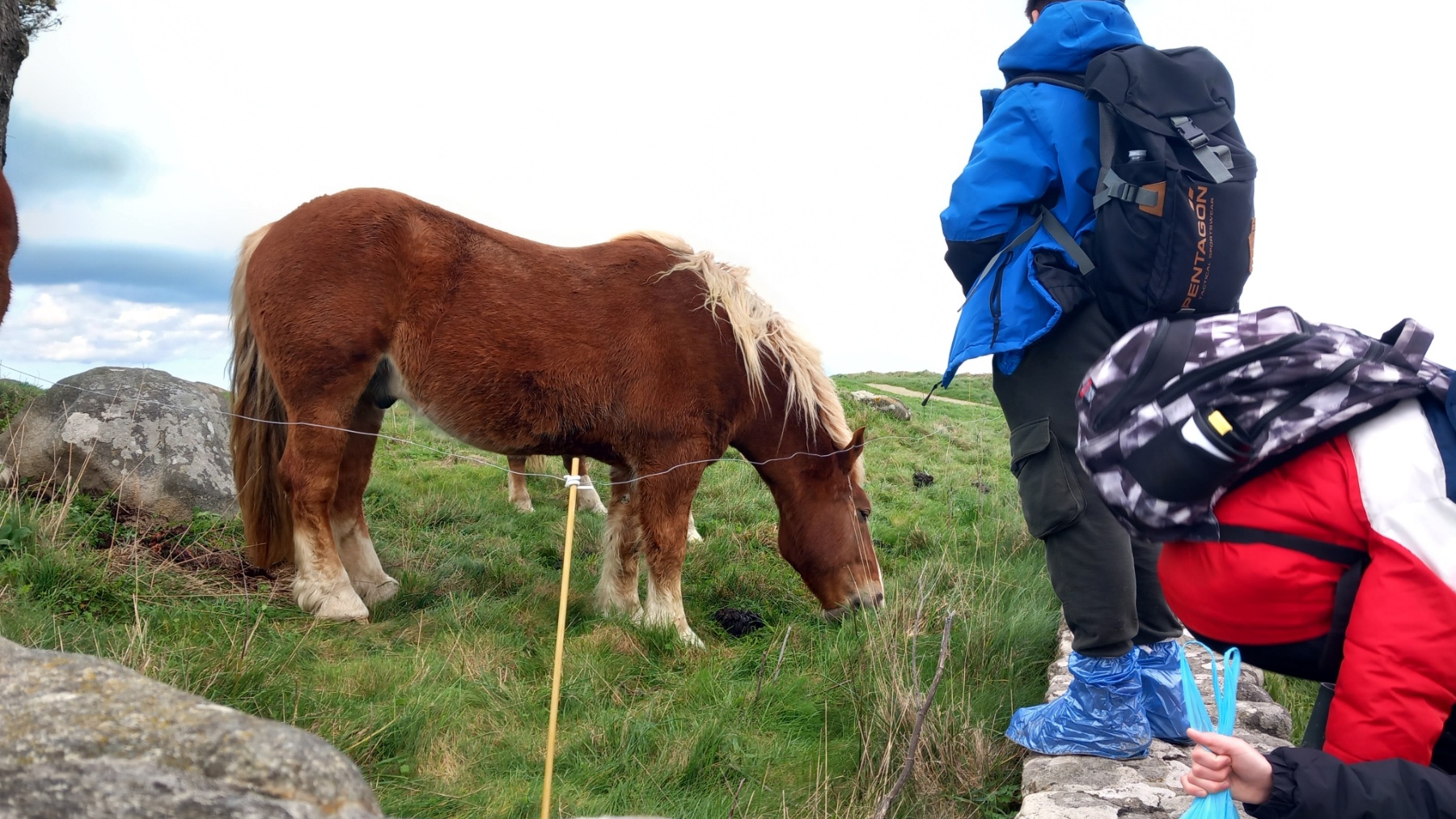
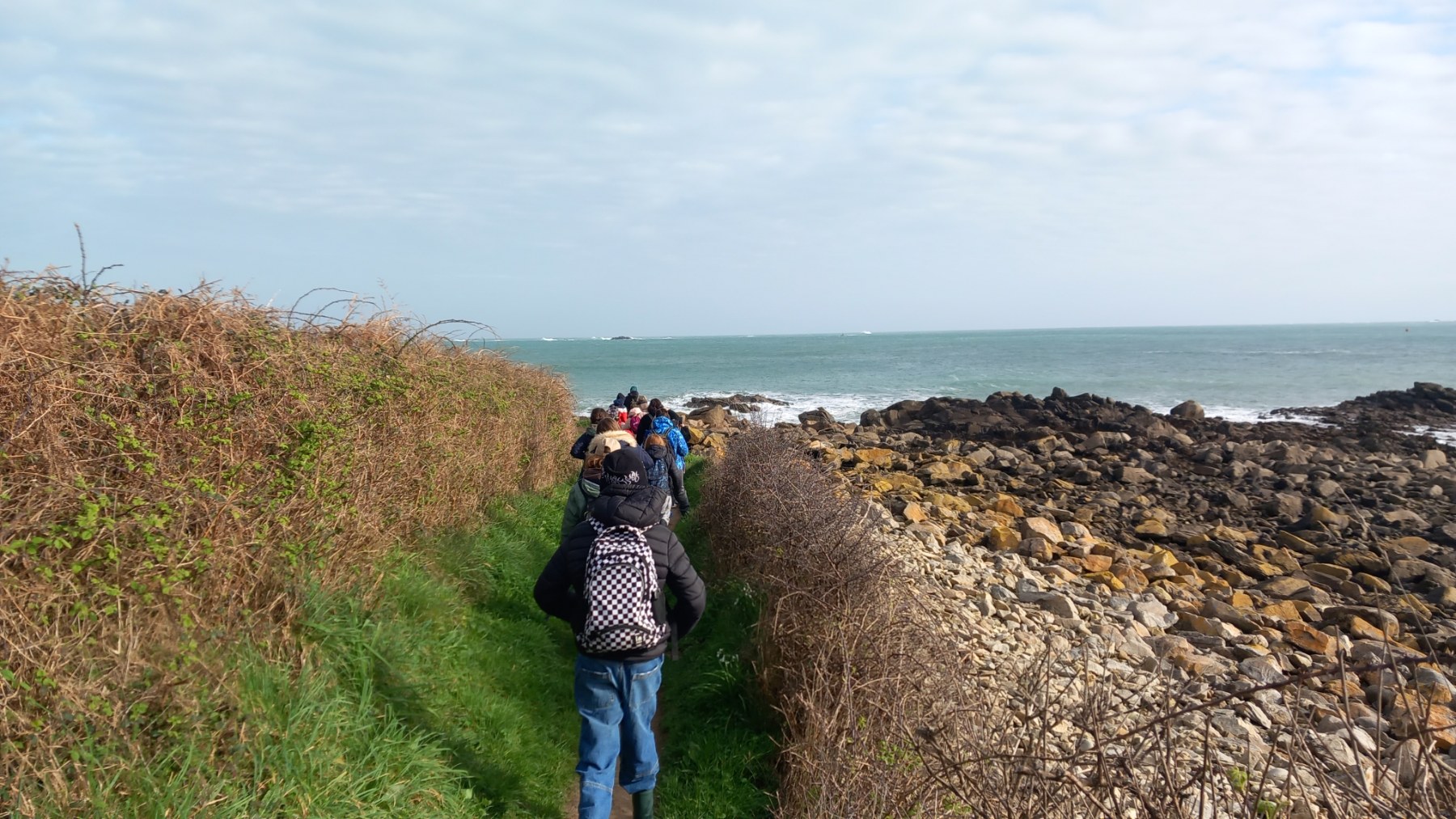
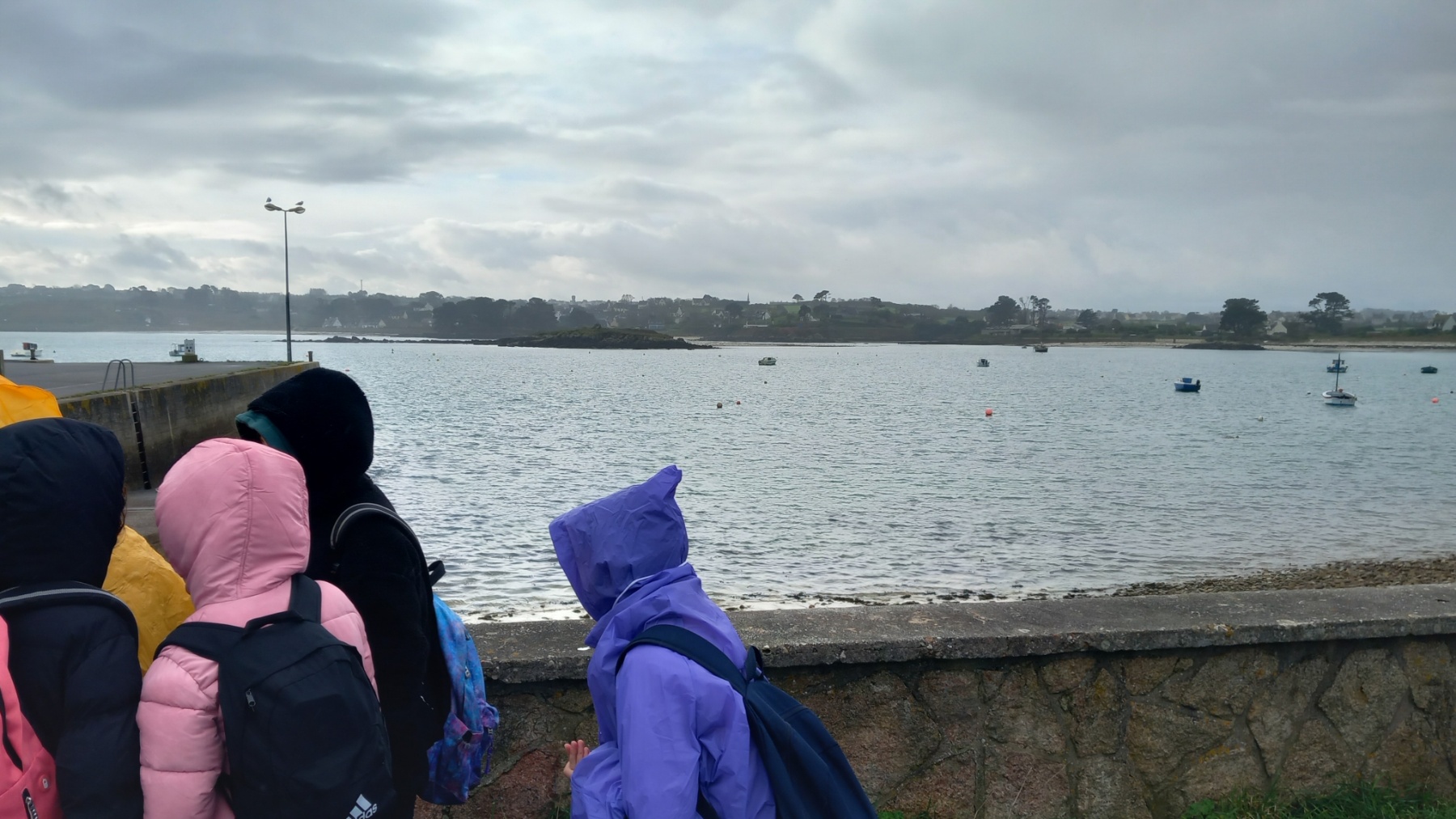
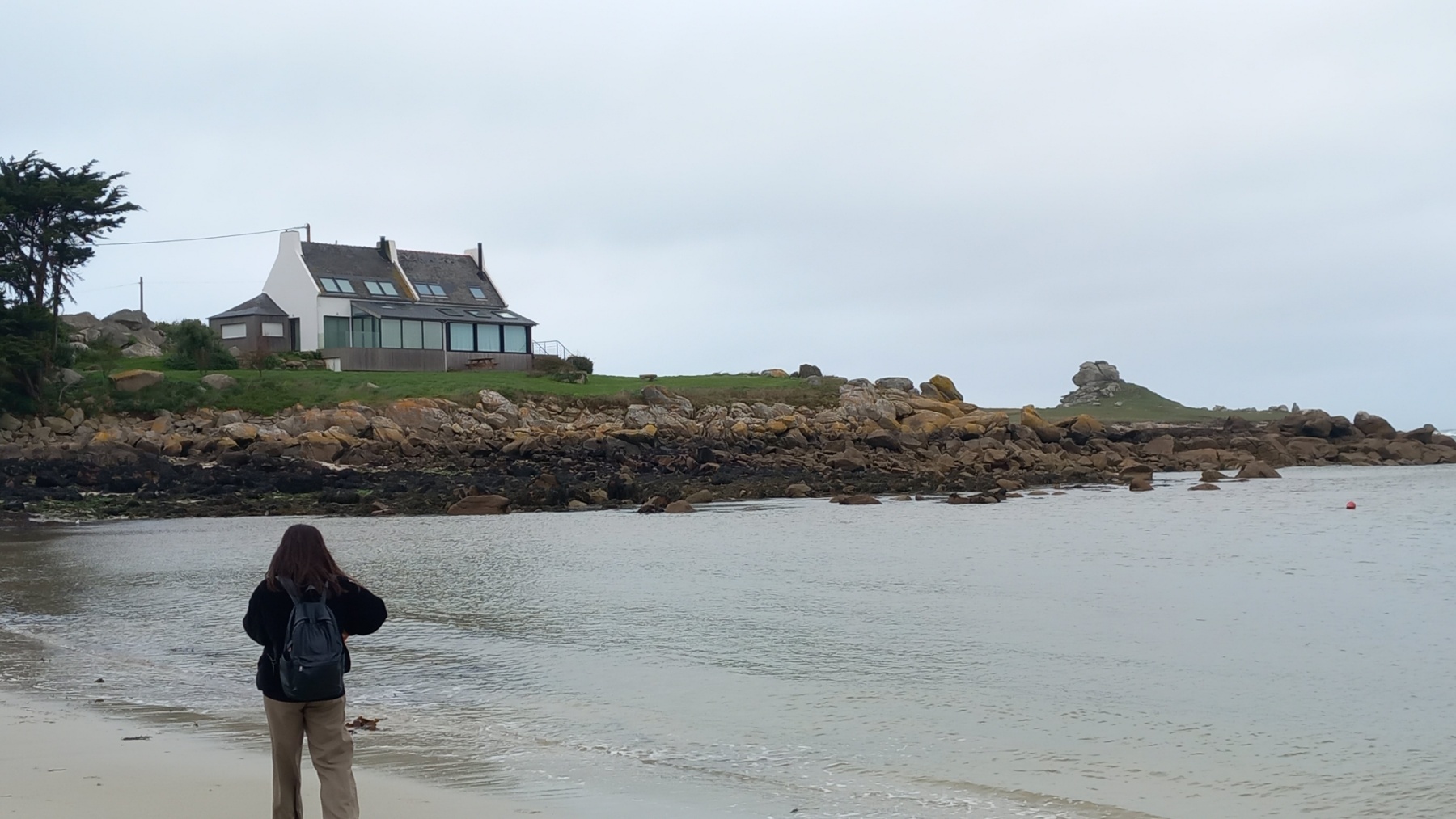
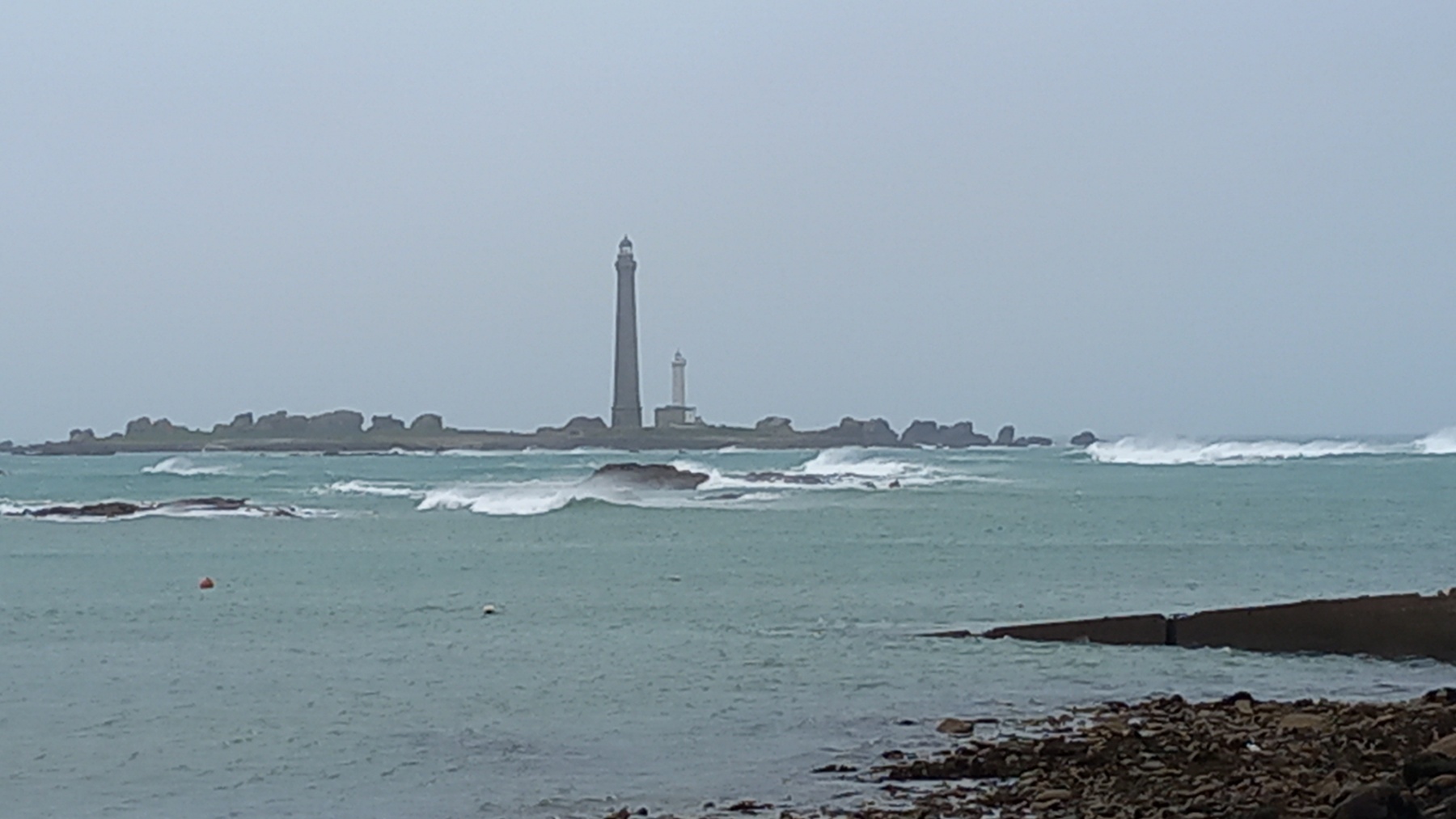
Another important part of the mobility focused on outdoor learning and the natural and cultural heritage of the coastline. Students participated in sensory and environmental discovery activities, walked along the coastal path, worked collaboratively in international groups and expressed their impressions through creative and reflective activities. These experiences helped them understand the links between landscape, culture, human activity and environmental responsibility.
Throughout the week, students strengthened their intercultural communication skills, practised cooperation in an international setting, developed environmental awareness and gained confidence in using English as a common language of communication. They also experienced first-hand the value of European cooperation, friendship and shared learning.
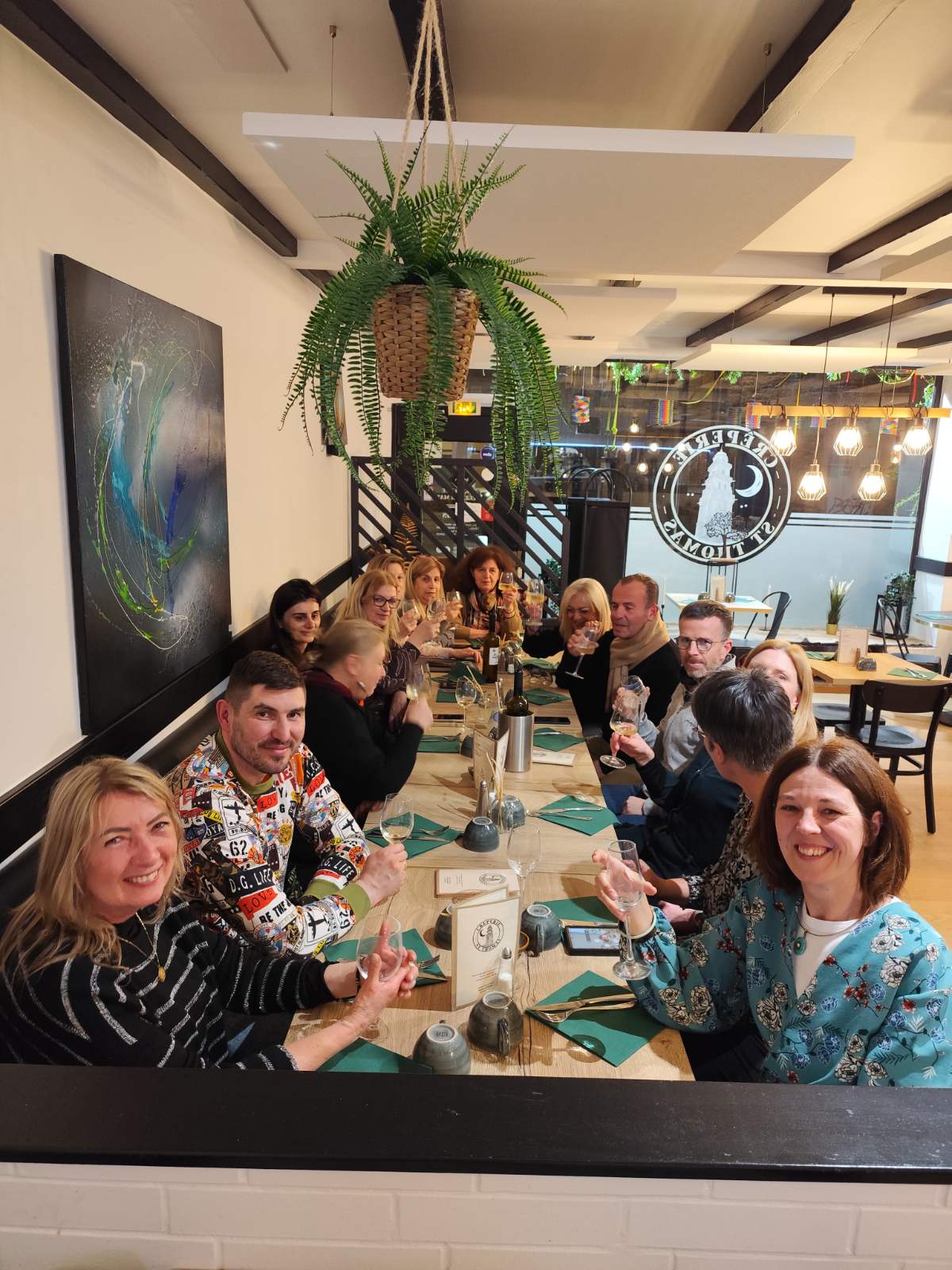
We would like to warmly thank Saint Julien School / OGEC Saint Julien, the teachers who organised and supported the activities, and especially the host families who opened their homes and welcomed our students with care and generosity. Their hospitality made this mobility a truly special experience for the children.
We also thank the Polish school from Walim for sharing this Erasmus+ week with us and contributing to a warm, collaborative and multicultural atmosphere.
This group mobility was an important step in the Erasmus+ journey of the CHAIN Consortium. It offered our students the opportunity to learn beyond the classroom, discover another culture, reflect on environmental challenges and understand what European cooperation means in practice.
Share this content: