
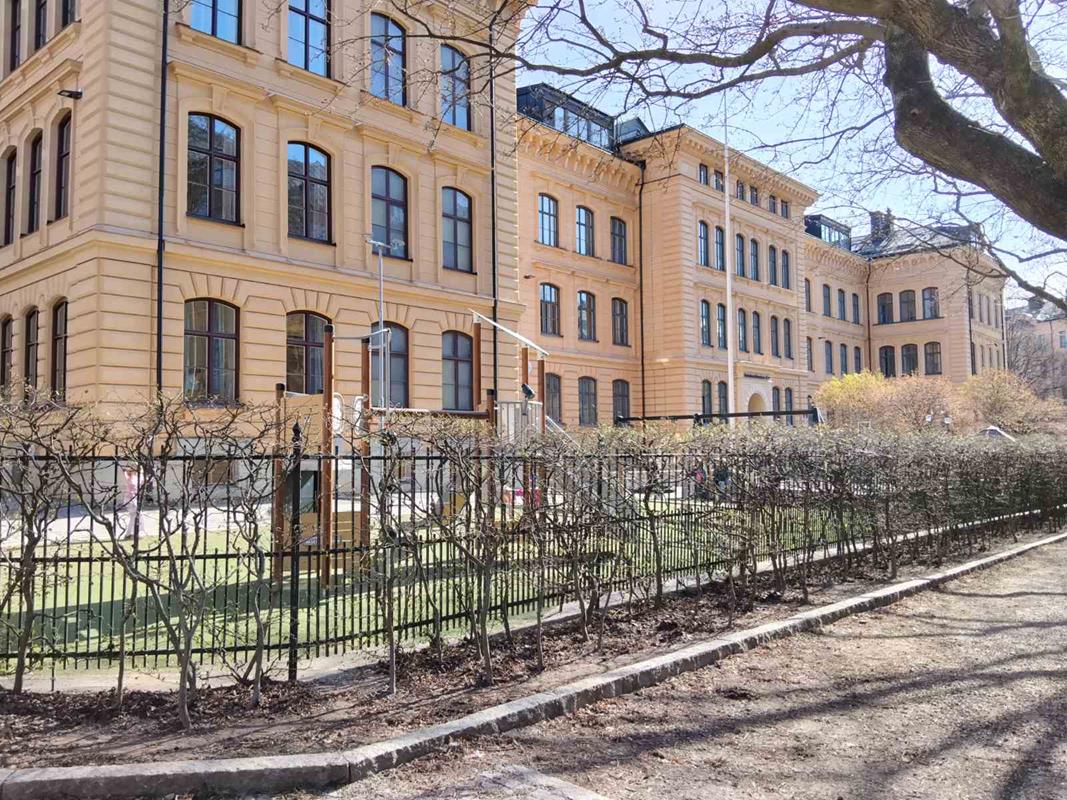
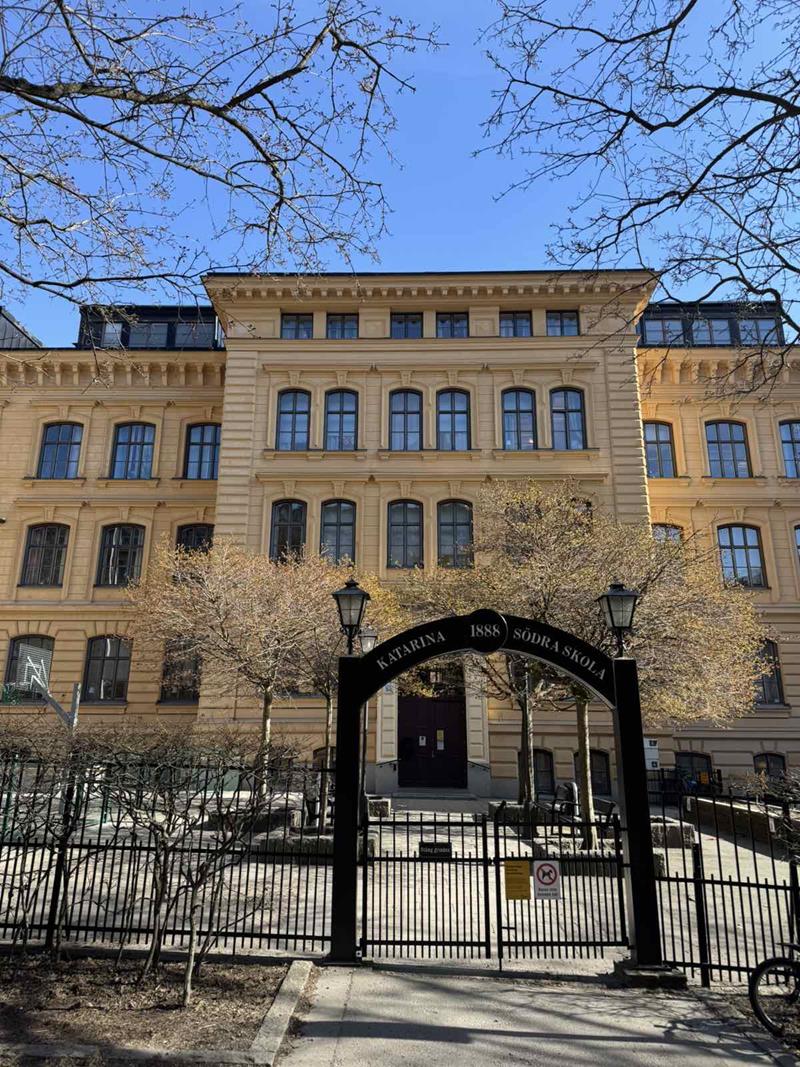
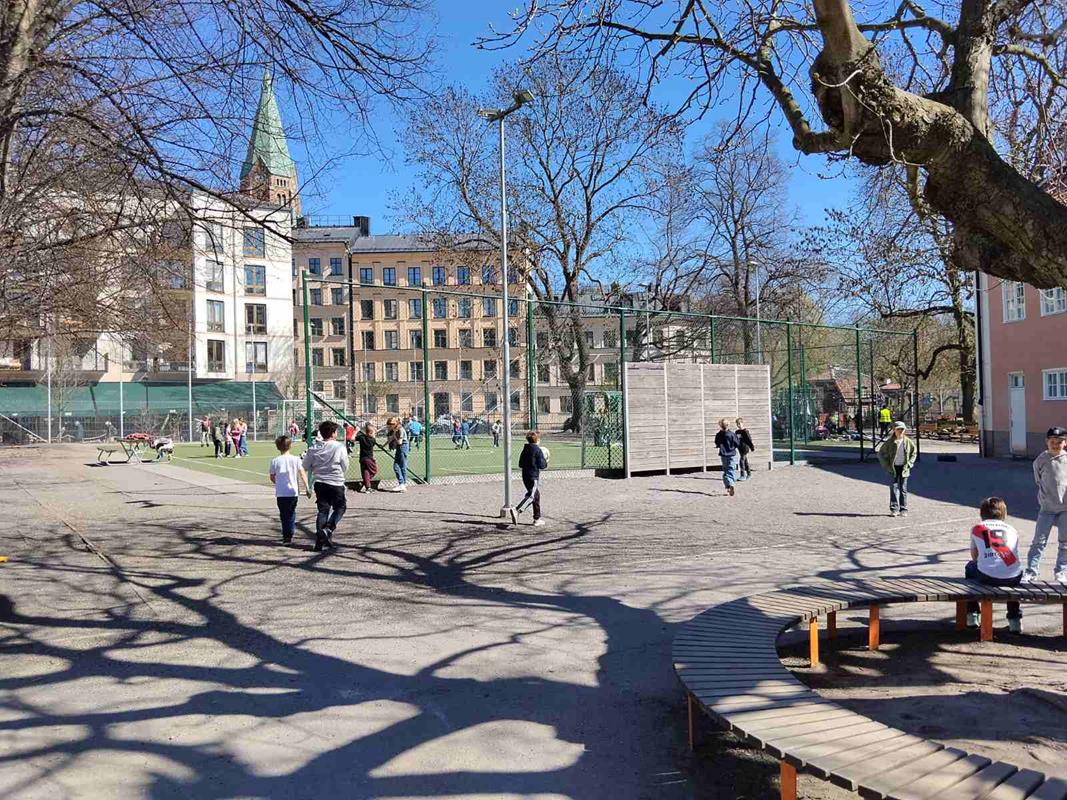
From 20 to 24 April 2026, three teachers from the CHAIN Consortium participated in Erasmus+ teaching assignments at Katarina Södra skola, a primary school in Stockholm, Sweden. This is the second time teachers from our consortium visit this school,
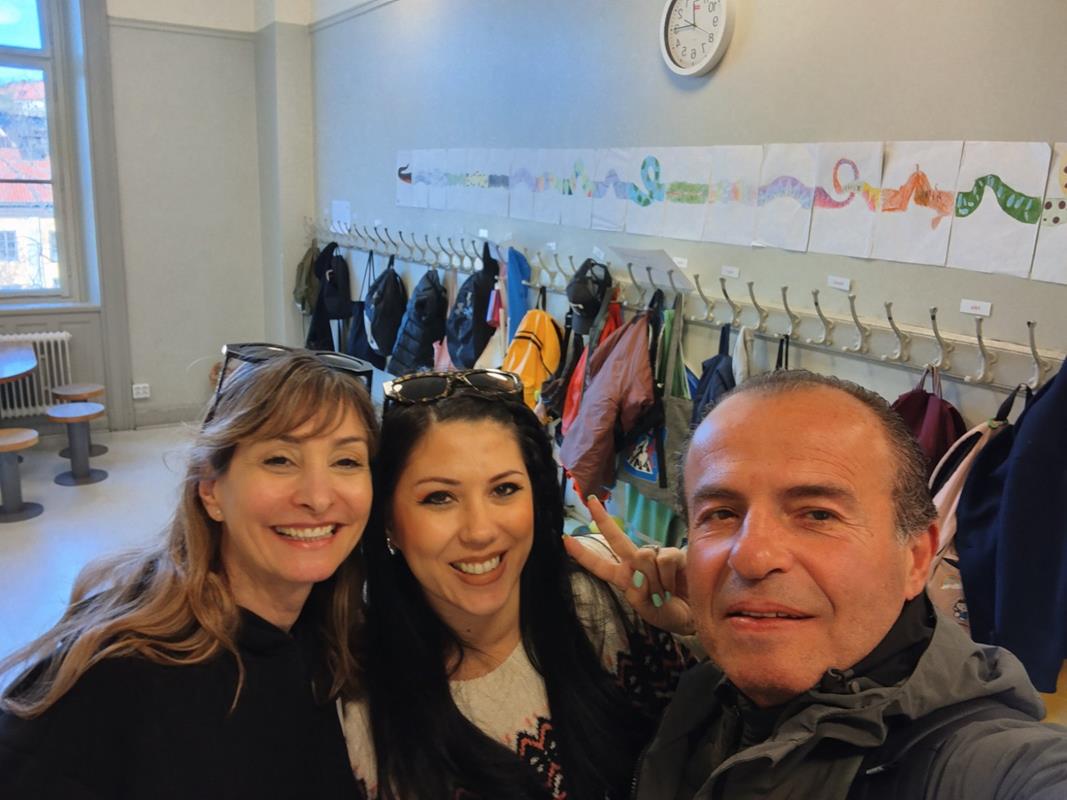
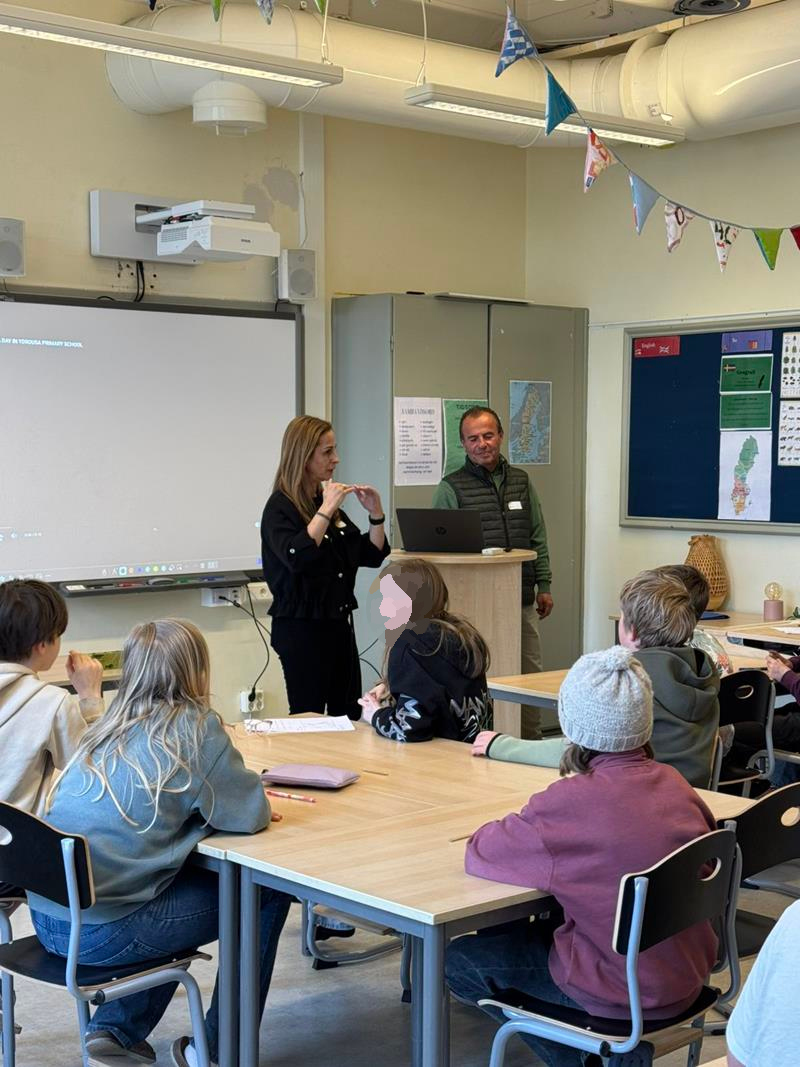
The participating educators were Rafaela Michti, Stavros Voskopoulos and Eftychia Avrami. During their mobility, they had the opportunity not only to visit a Swedish primary school and learn more about its educational environment, but also to actively contribute to classroom teaching through prepared learning activities.
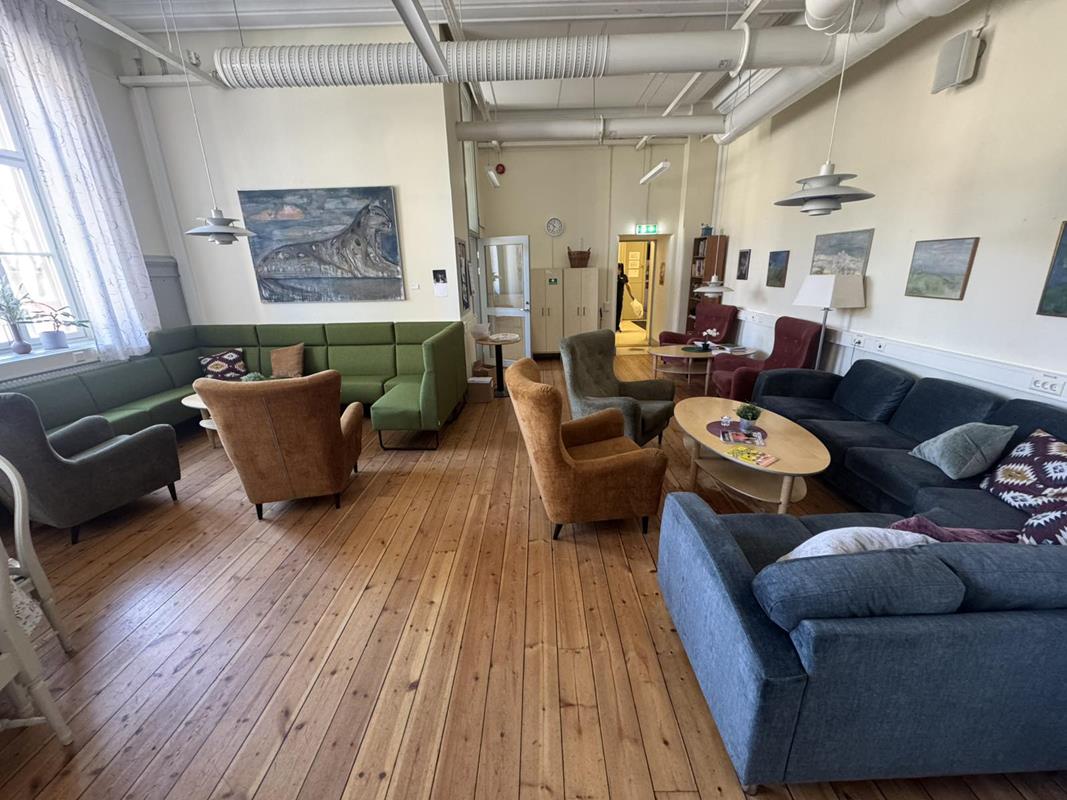
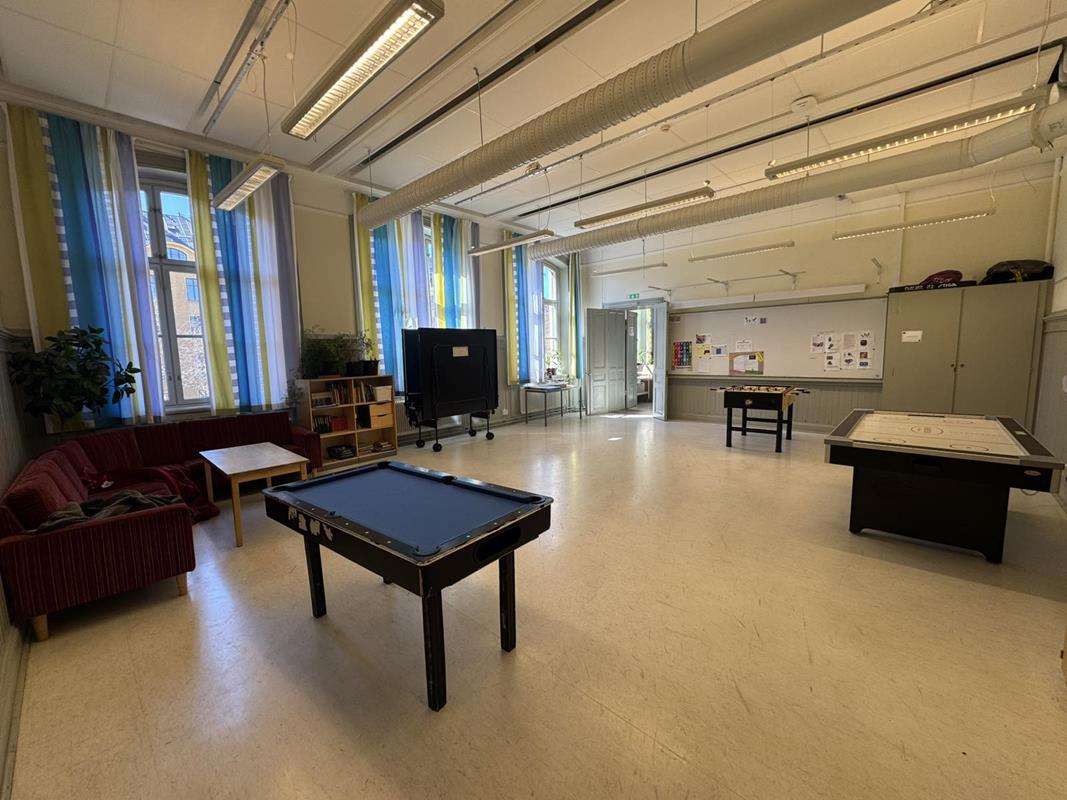
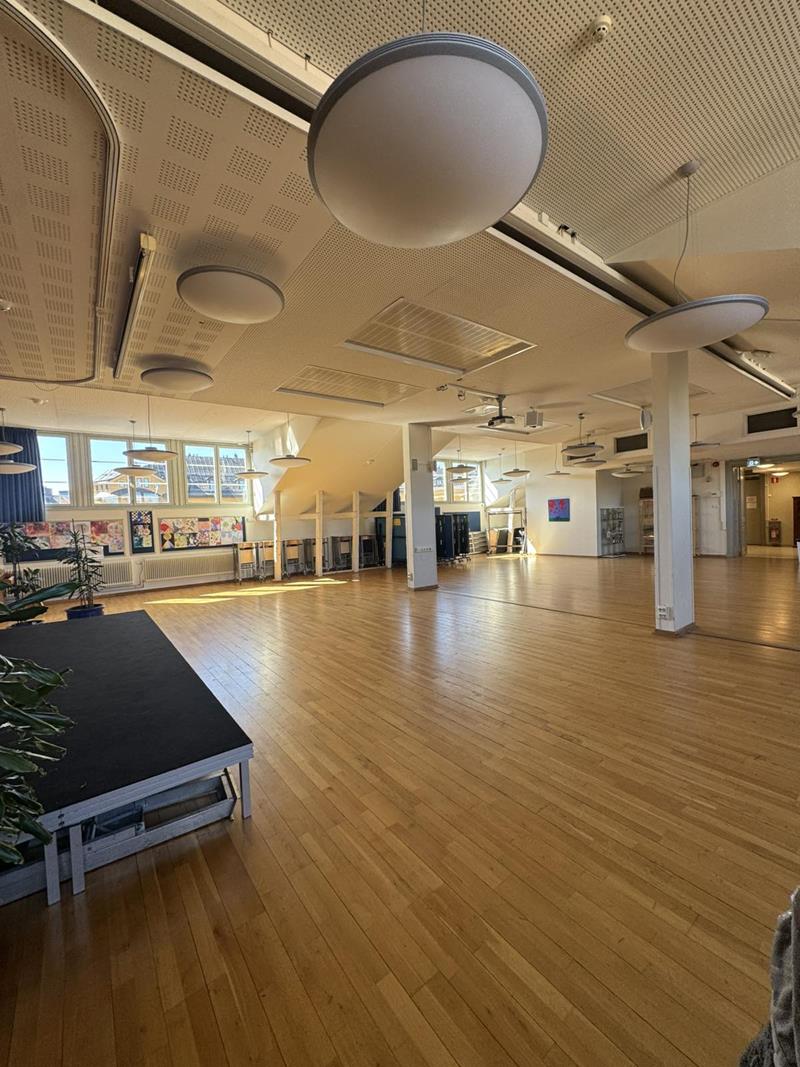
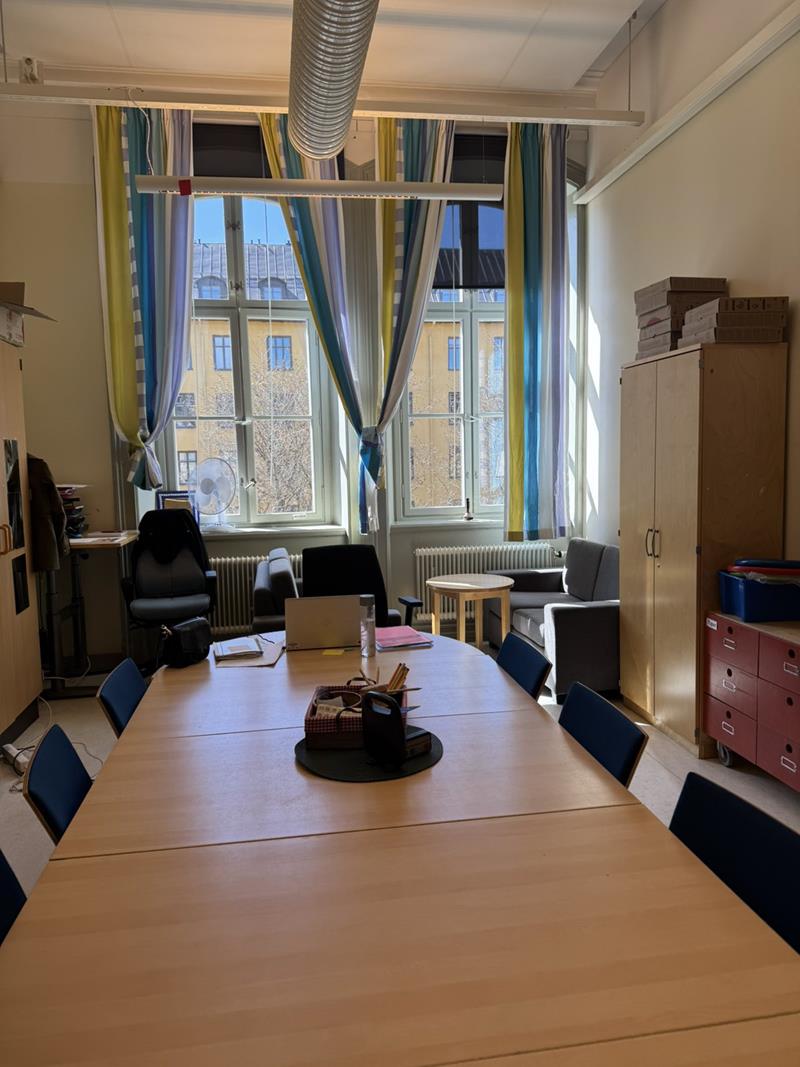
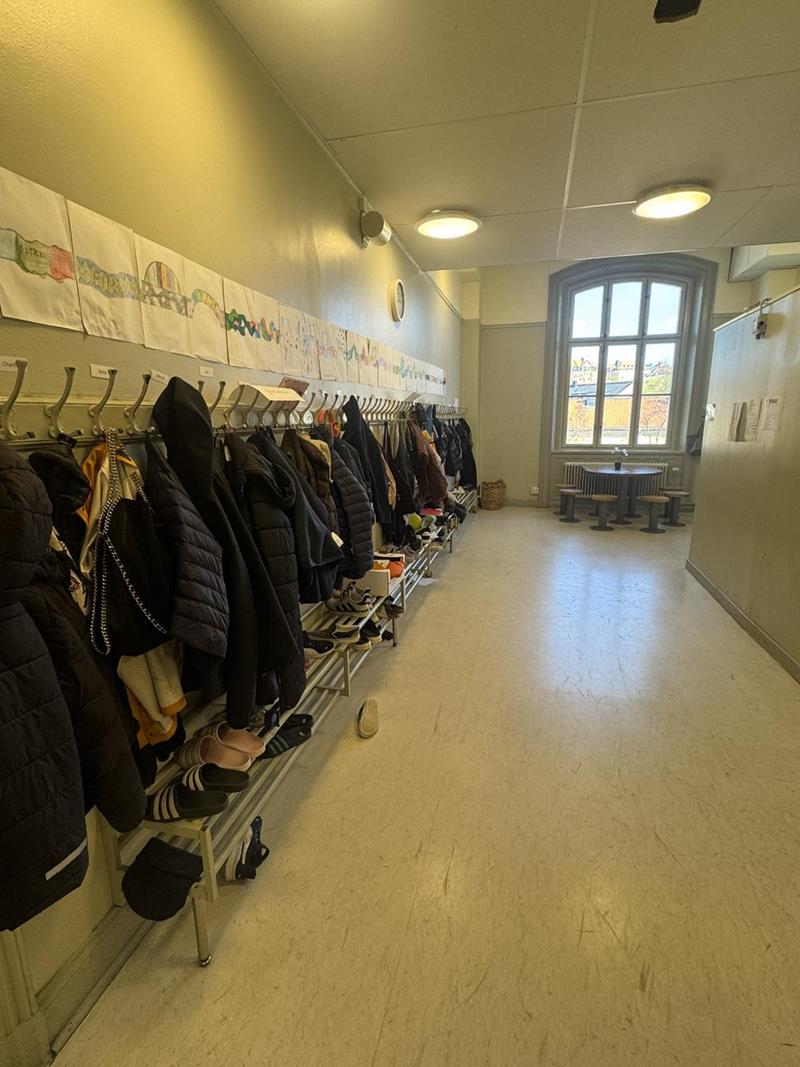
The mobility began with a welcome meeting, a tour of the school facilities and an introduction to the teaching staff. The participants discussed the organisation of the teaching assignments with the host teachers and prepared the classroom activities in cooperation with them, adapting the content to the age of the pupils and to the Swedish school context.
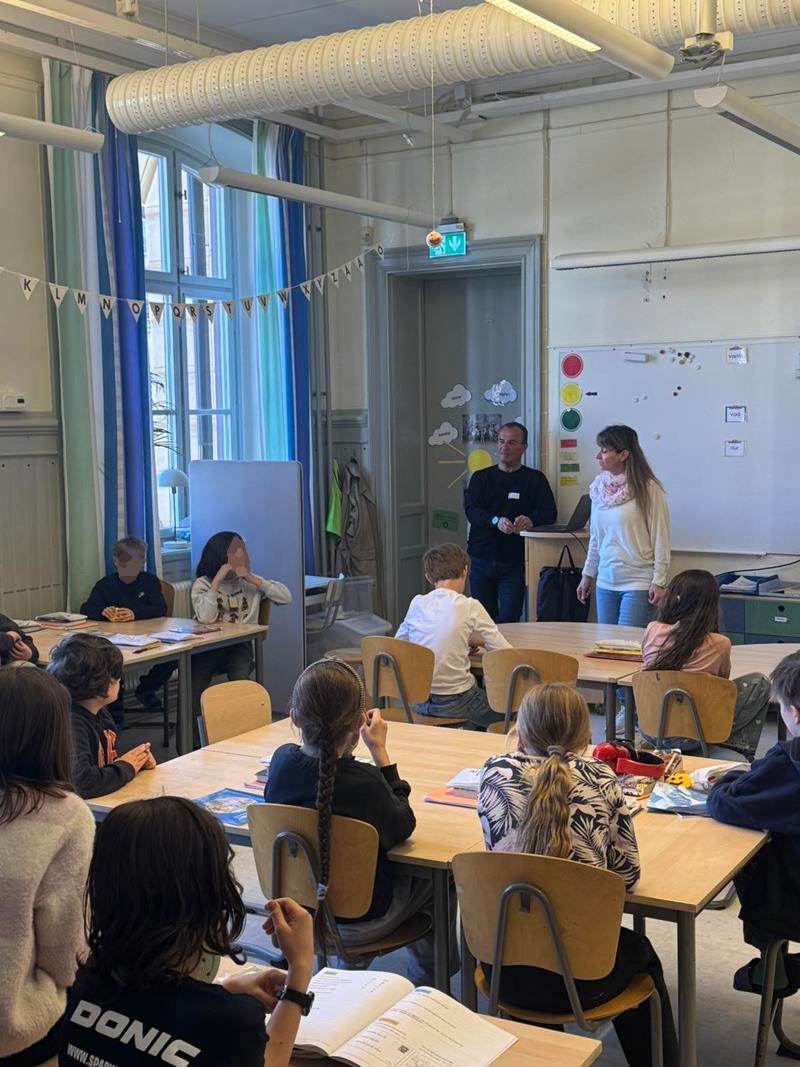
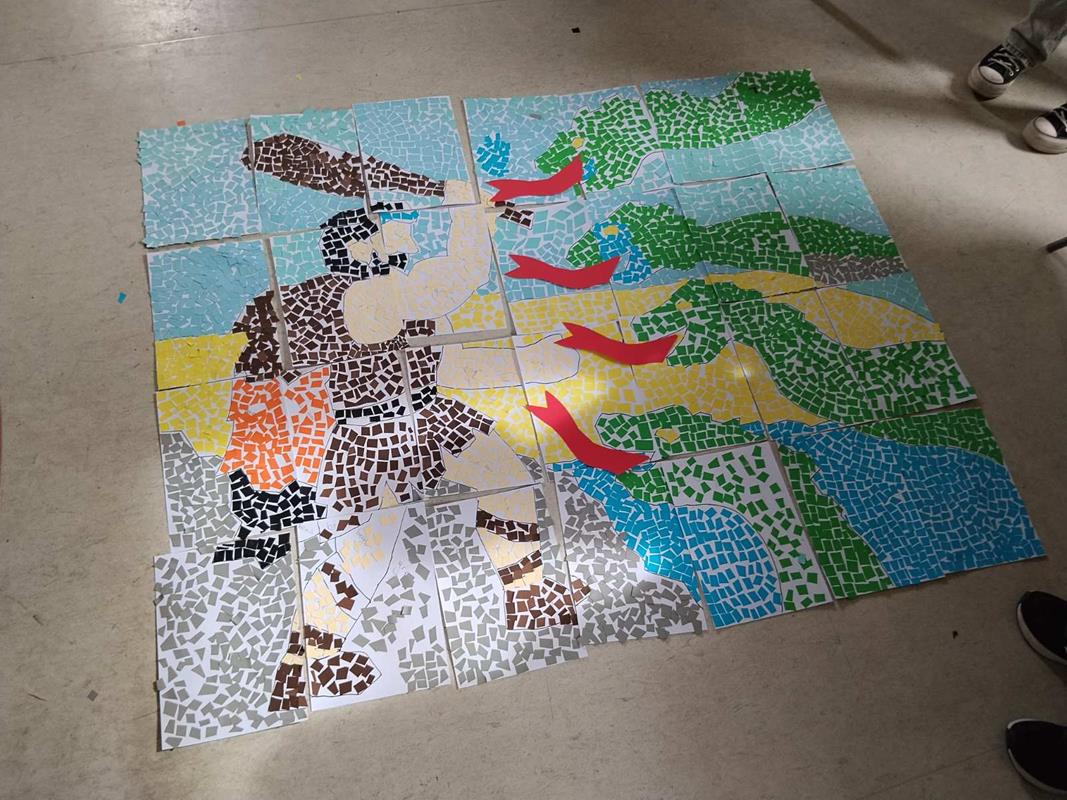
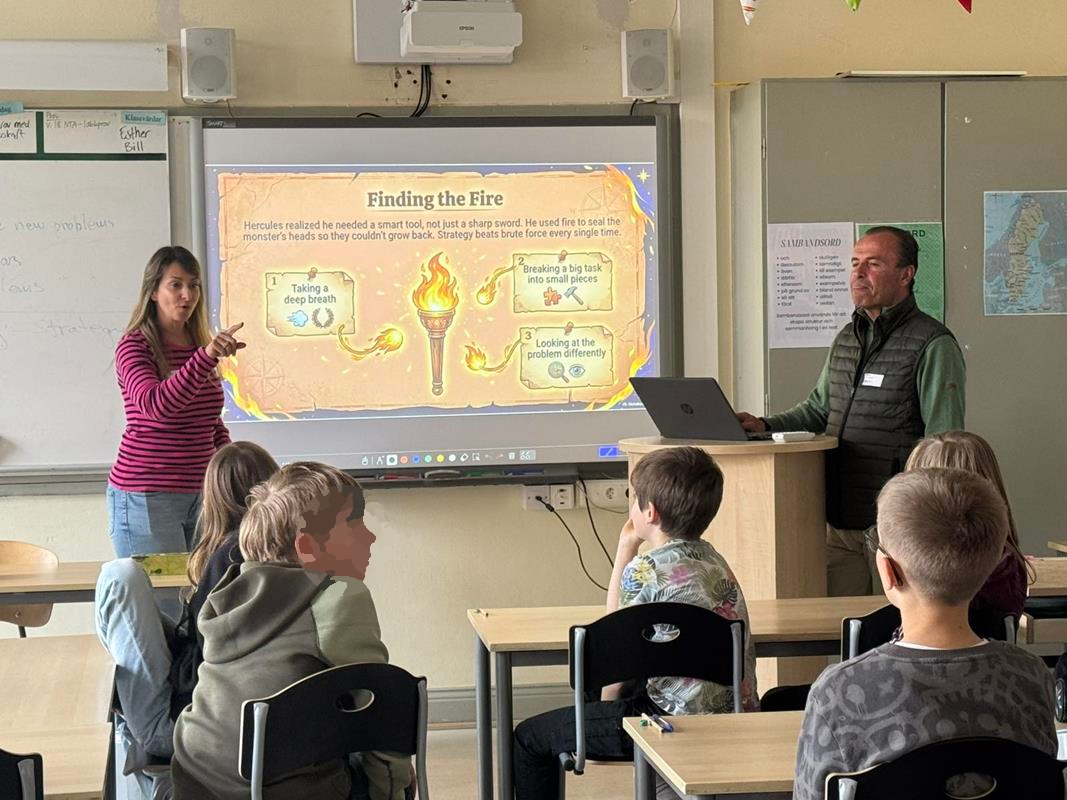
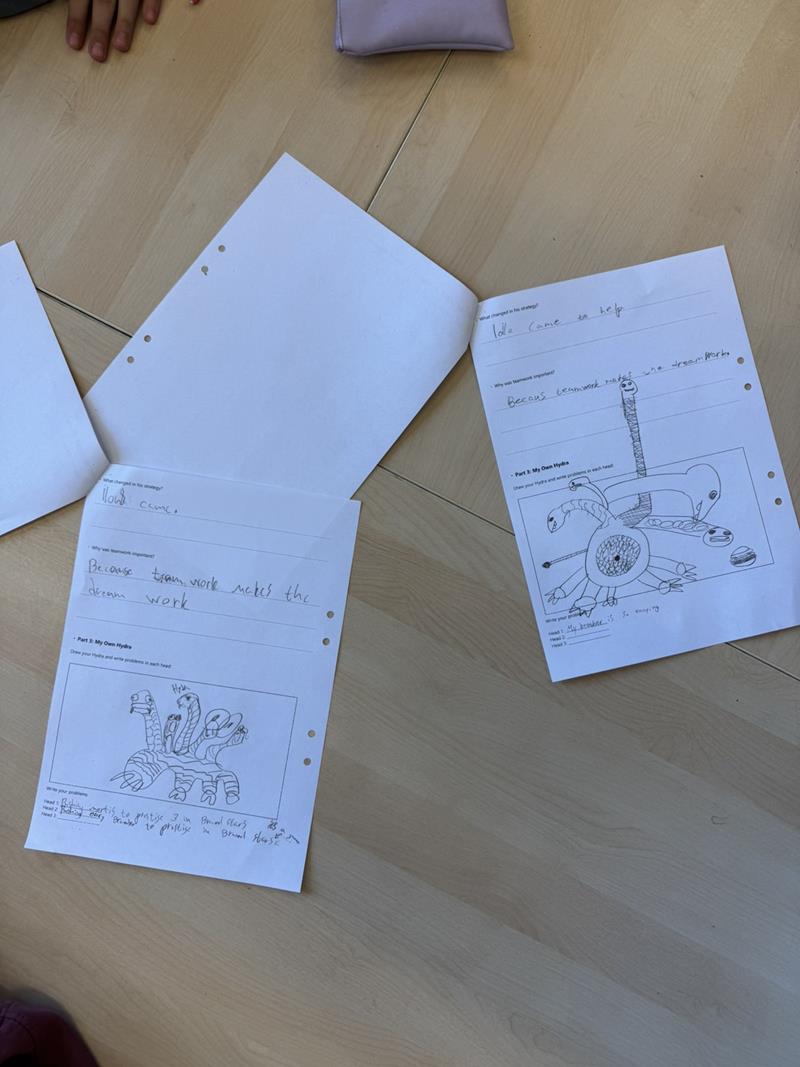
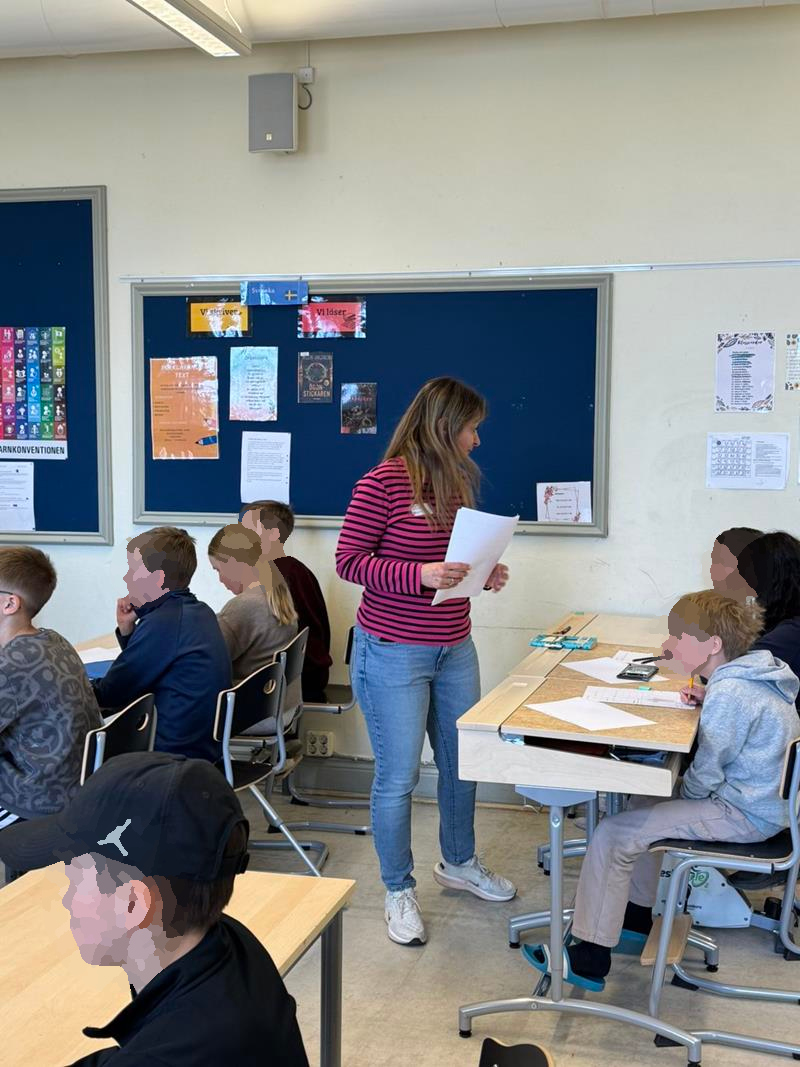
A central part of the teaching assignment was the lesson “Slaying the Daily Hydra: Herculean Resilience in a Flipped Classroom”. Through this activity, the Greek teachers connected English Language, Greek Mythology and Arts, using the myth of Hercules and the Lernaean Hydra as a starting point for discussion, storytelling, creativity and reflection.
The teaching approach encouraged pupils to think about challenges in everyday life and to connect the mythological idea of “slaying the Hydra” with resilience, cooperation and personal expression. The activity also supported intercultural learning, as pupils came into contact with elements of Greek cultural heritage through English and creative classroom interaction.
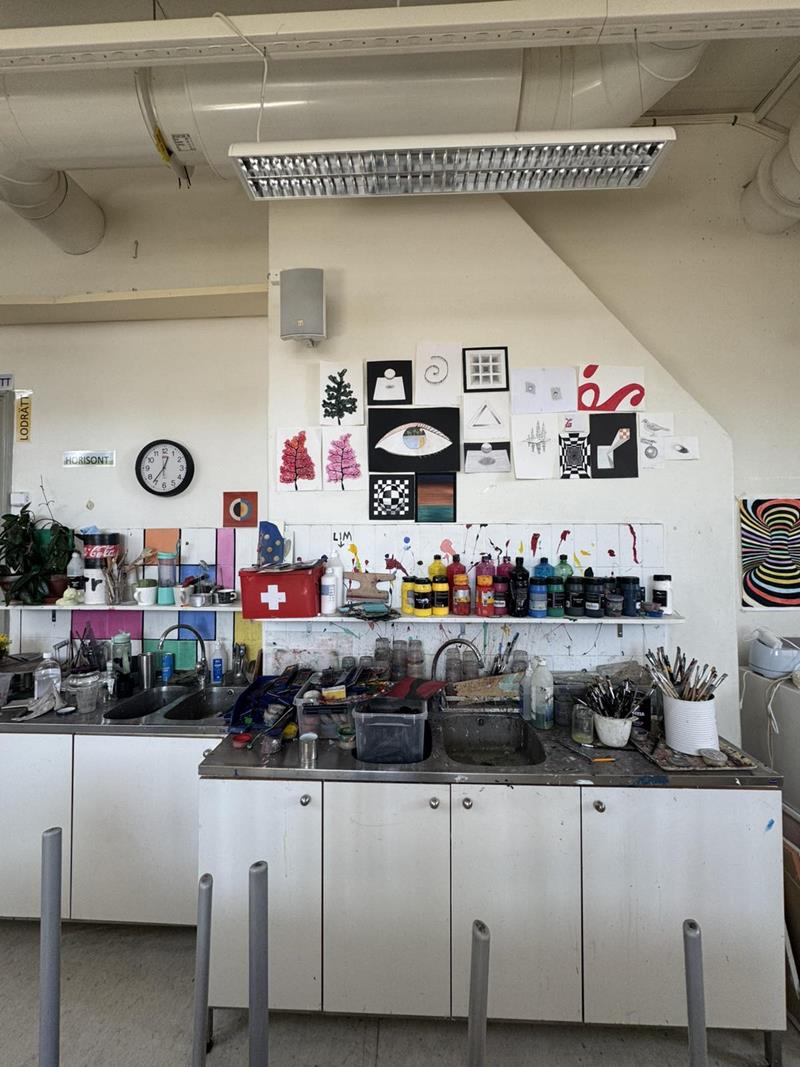
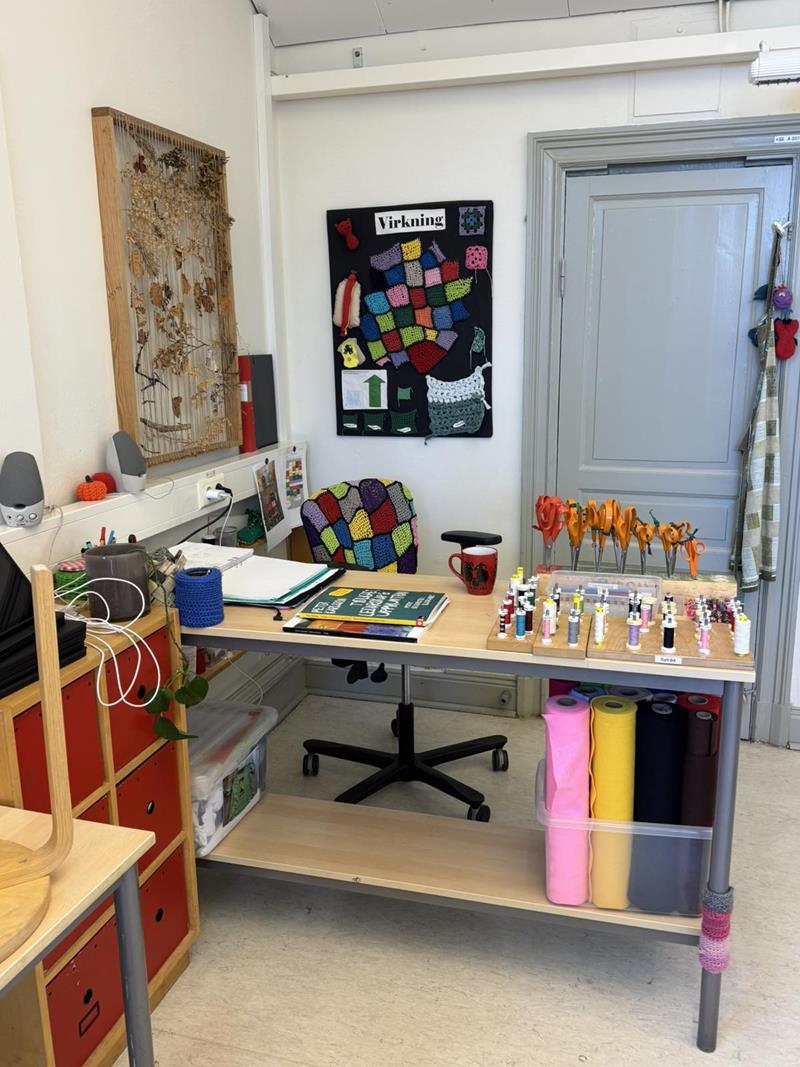
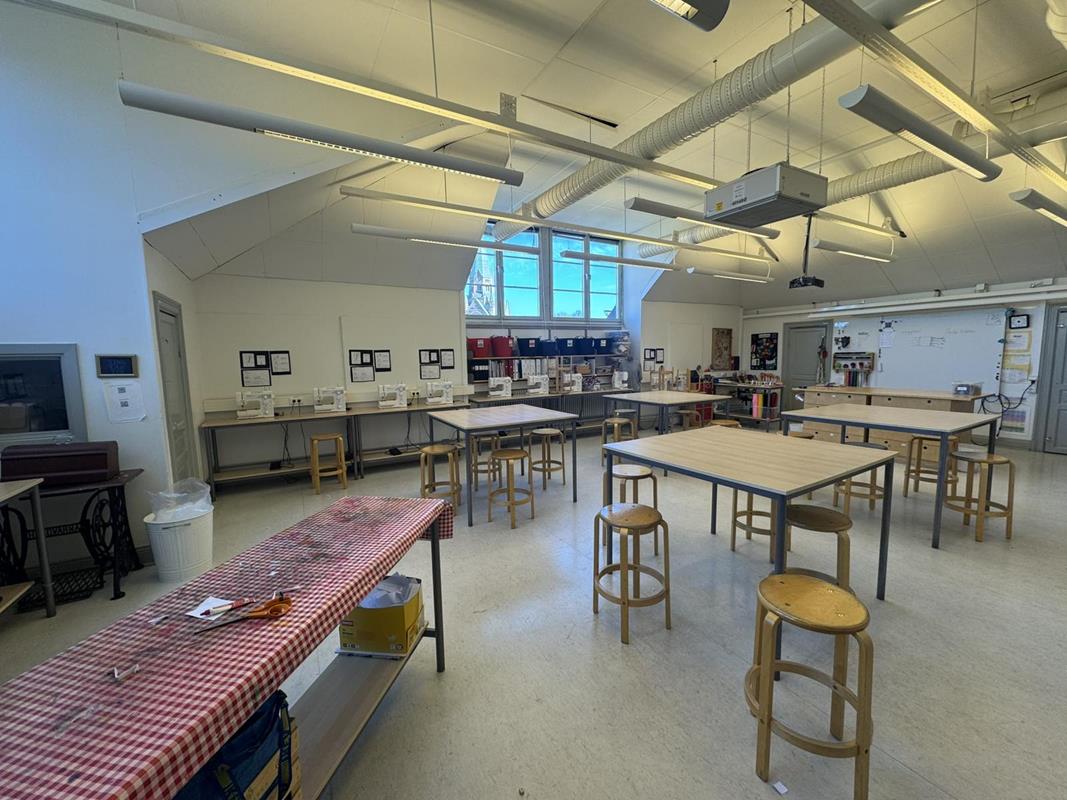
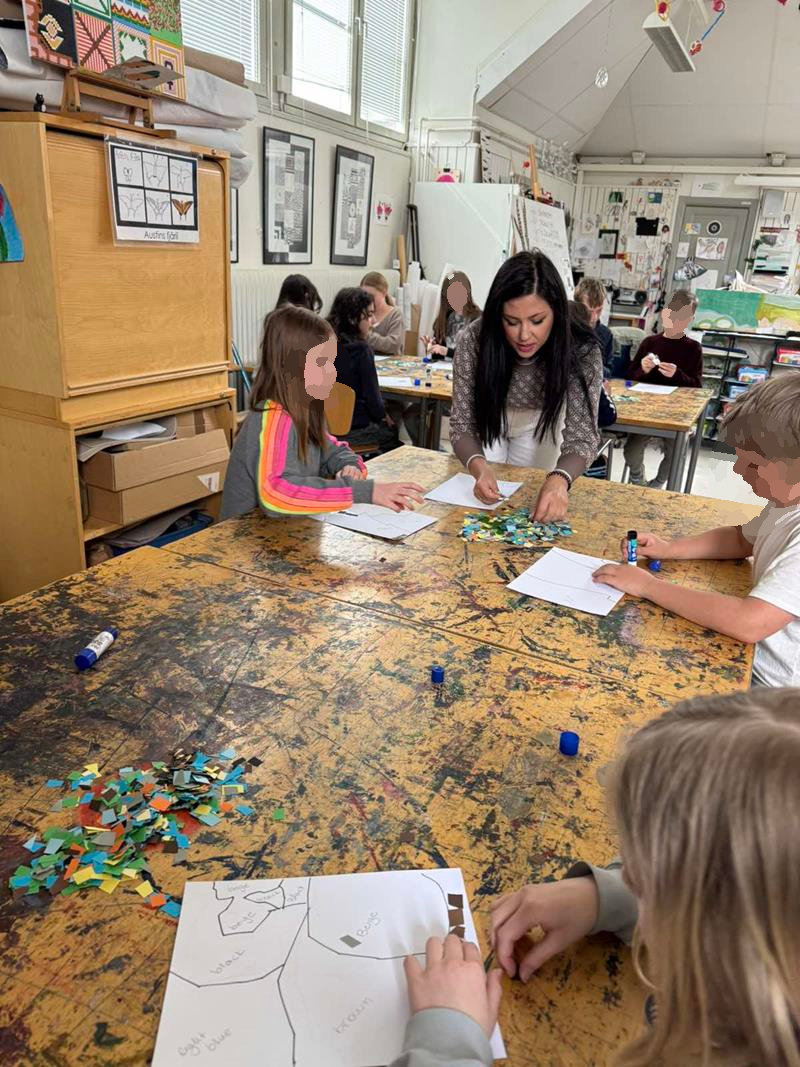
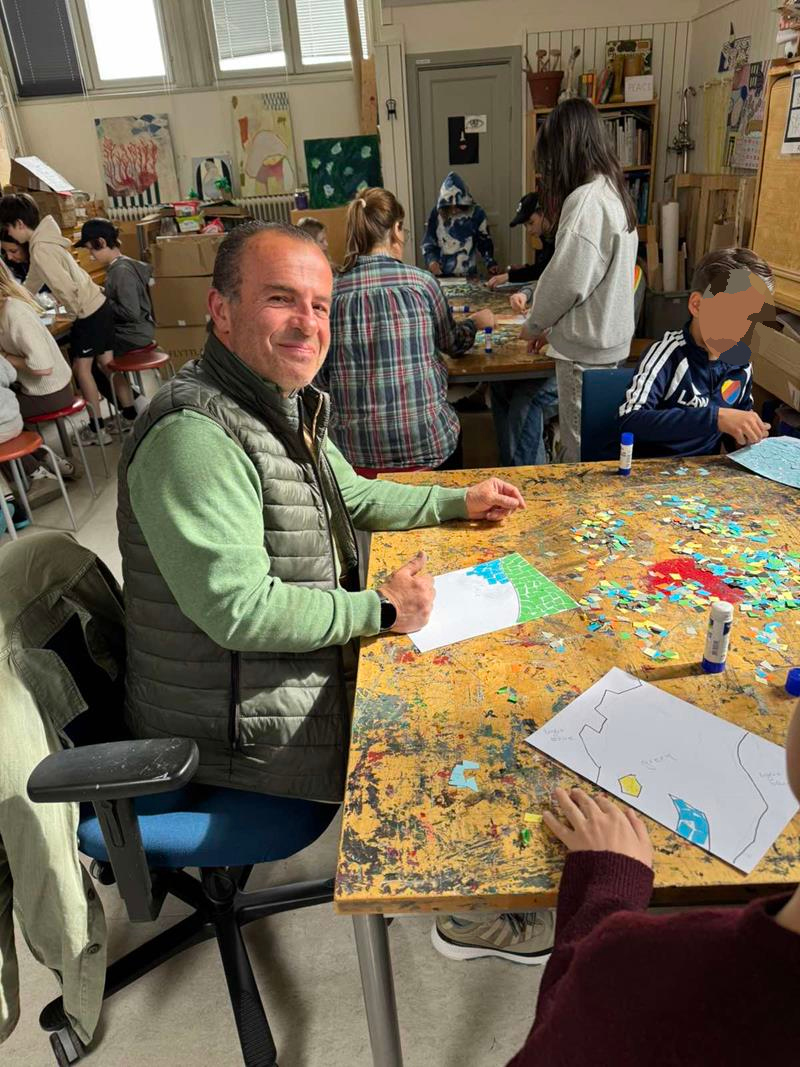
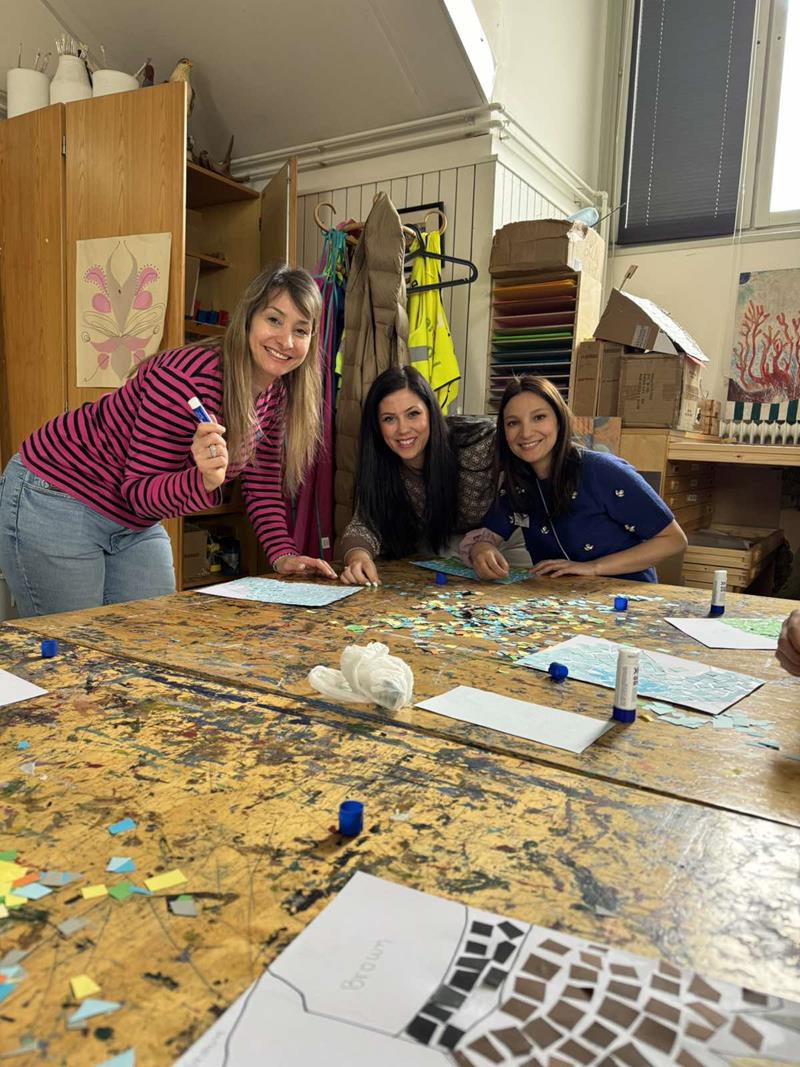
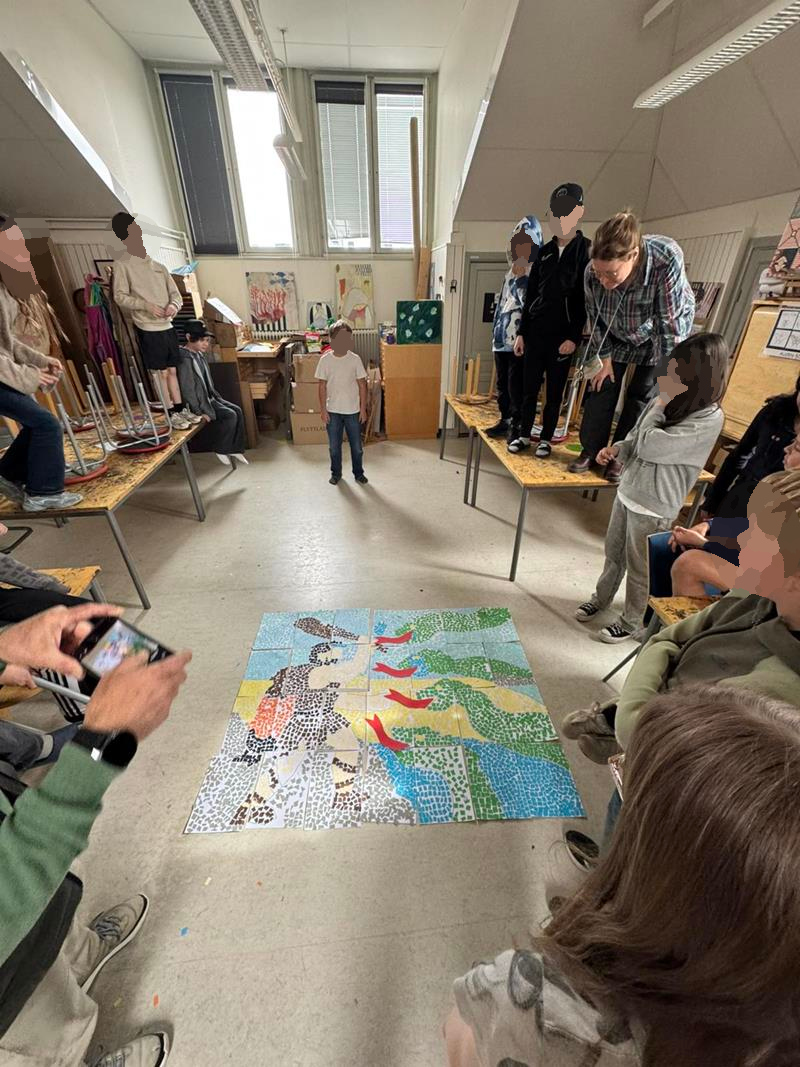
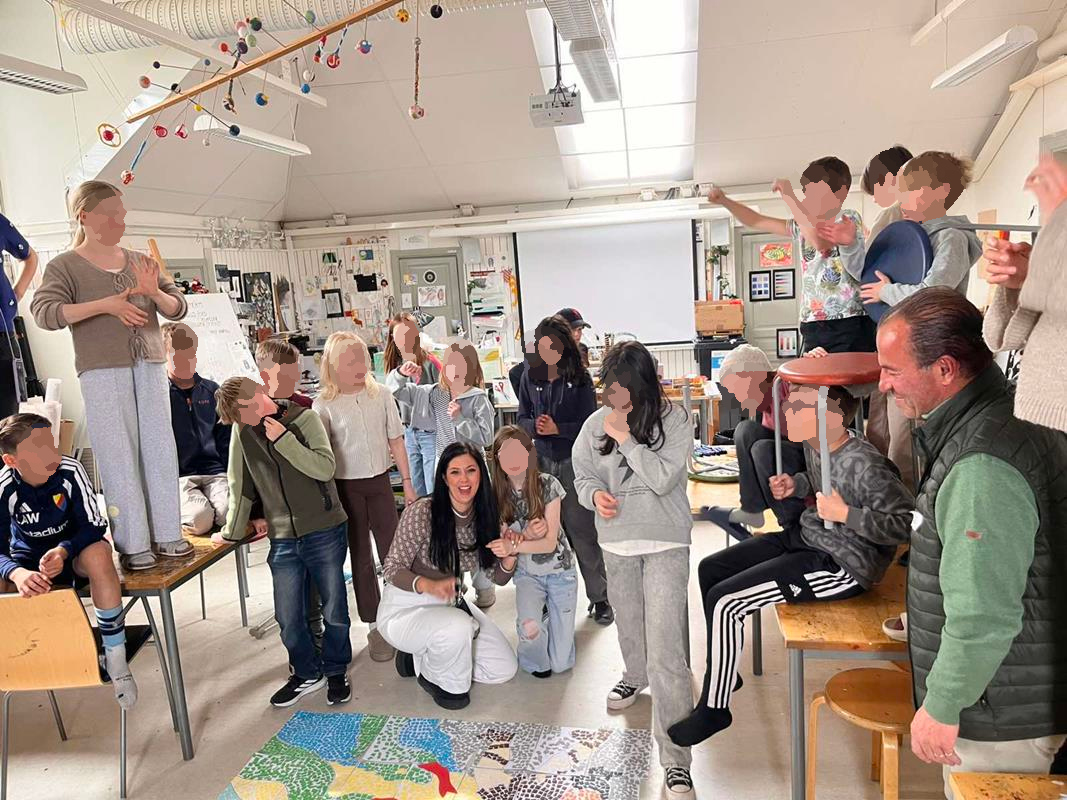
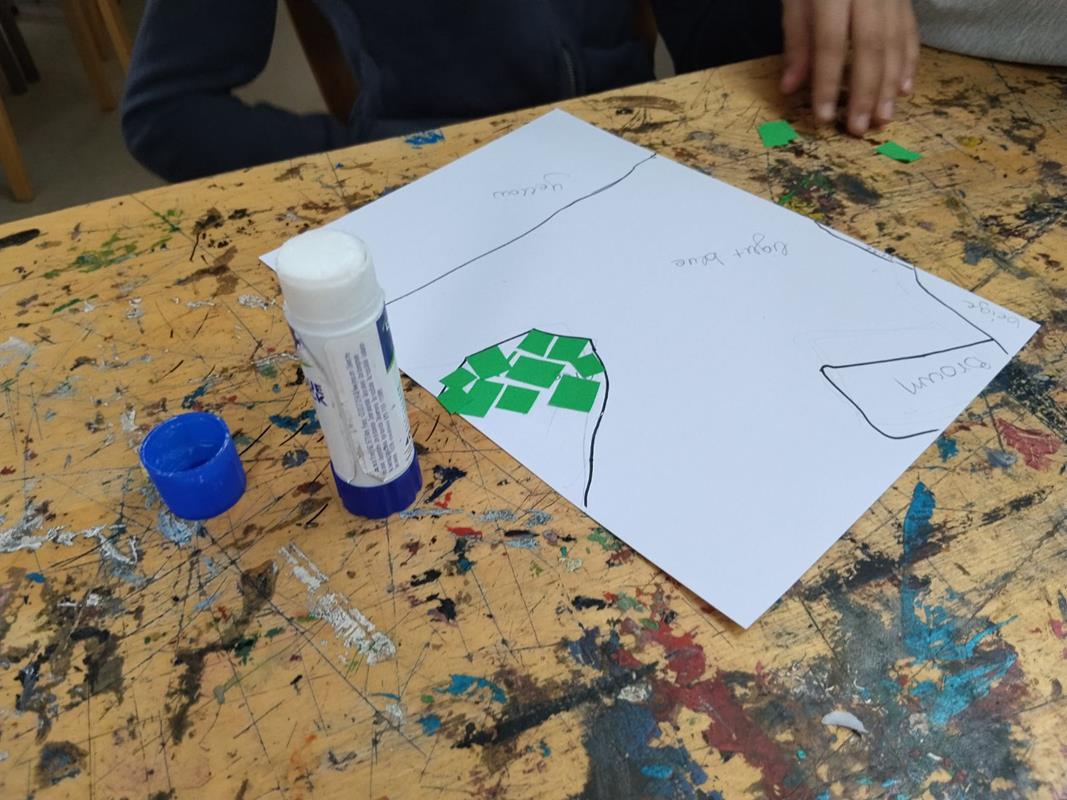
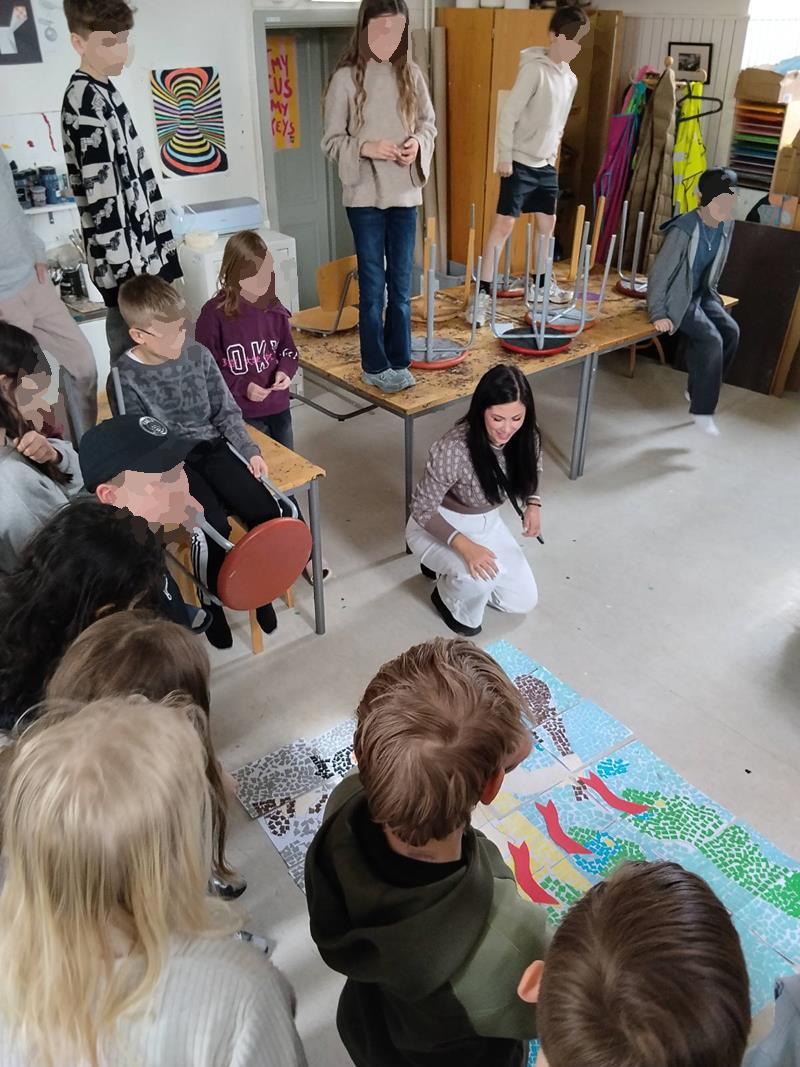
As part of the programme, the teachers also facilitated an arts workshop in which pupils worked together to create a large mosaic inspired by Hercules and the Lernaean Hydra. This collaborative activity promoted creativity, teamwork and cultural exchange, while giving pupils the opportunity to express their understanding of the story through visual art.
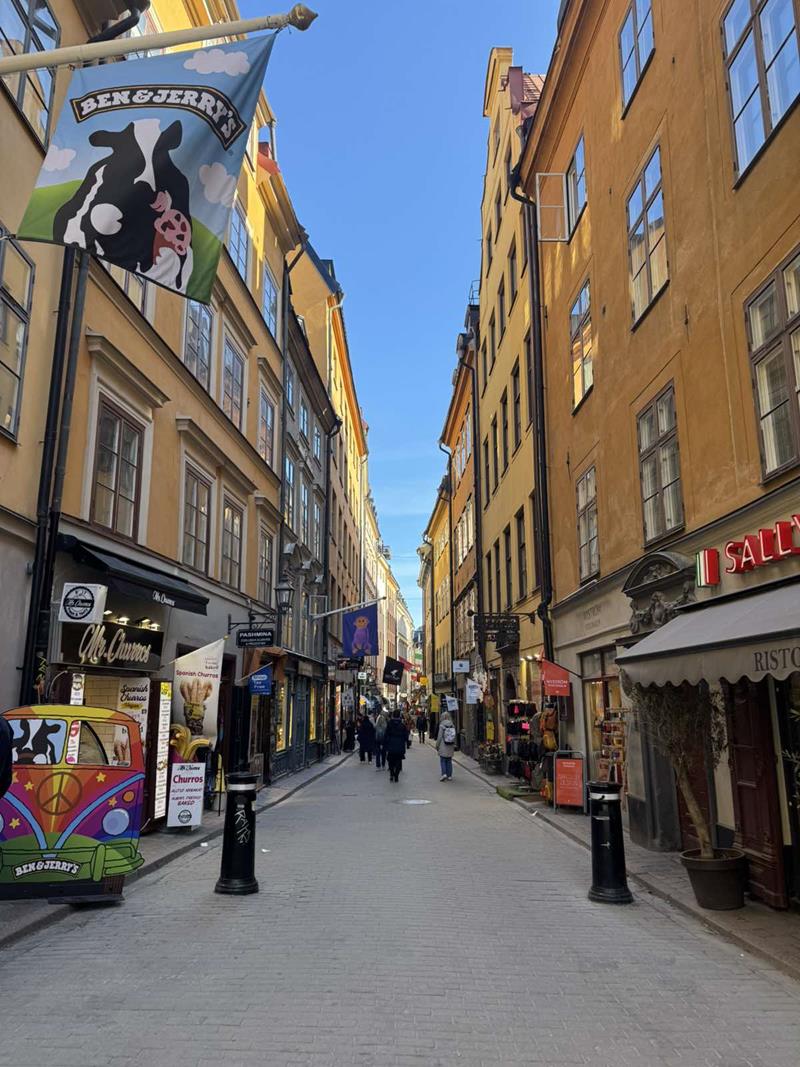
The mobility also included cultural learning activities in Stockholm, including museum visits and guided activities, which helped the participants gain a deeper understanding of the local cultural and educational context.
At the end of the mobility, the teachers took part in evaluation and reflection discussions with the host teachers. These discussions focused on the teaching assignment, pupils’ participation, classroom interaction, lesson planning and future opportunities for international cooperation.
This Erasmus+ mobility was a valuable professional development experience for the participating teachers. It strengthened their confidence in teaching in an international school environment, enhanced their ability to use culture and storytelling as tools for learning, and created meaningful opportunities for dialogue between Greek and Swedish educators.
We warmly thank Katarina Södra skola, its Director Naiyya Westberg, and all the teachers and pupils who welcomed our team, supported the teaching activities and contributed to a meaningful experience of cooperation, creativity and intercultural learning.
Through activities like this, the CHAIN Consortium continues to promote European cooperation, professional development and the exchange of innovative educational practices among schools.
Share this content: